
Choosing the best Hotel Soaps And Shampoos for bulk buying in 2026 requires more than comparing unit prices. Procurement teams must balance guest comfort, supplier reliability, hygiene controls, packaging, and total operating cost. A small bottle can influence room quality, housekeeping speed, and online reviews.
Industry evidence supports a more careful approach. UN Tourism reported that international tourism recovered to approximately 99% of 2019 levels in 2024, increasing pressure on hotels to manage high occupancy efficiently. Booking.com’s 2024 Sustainable Travel Report found that 75% of travelers wanted more sustainable travel choices. These findings make refillable systems, recyclable packaging, and responsibly sourced ingredients increasingly relevant. However, sustainability claims should be verified through supplier documentation, not attractive wording alone.
This guide compares bulk hotel soaps and shampoos through practical purchasing criteria. We examine formulation quality, skin and hair suitability, fragrance strength, dispenser compatibility, minimum order quantities, shelf life, and delivered cost. Certifications may add confidence, but they do not automatically guarantee a better guest experience. Ask for samples.
A low price can look brilliant on paper. It may later create leakage, waste, or complaints. Hotel managers should calculate cost per occupied room, not only cost per case. Supplier audits, batch records, safety documentation, and responsive customer service also matter. Some recommendations will depend on property type, climate, brand positioning, and guest expectations. There is no universal winner. The strongest choice is the product that performs consistently, remains legally compliant, and supports efficient daily operations.
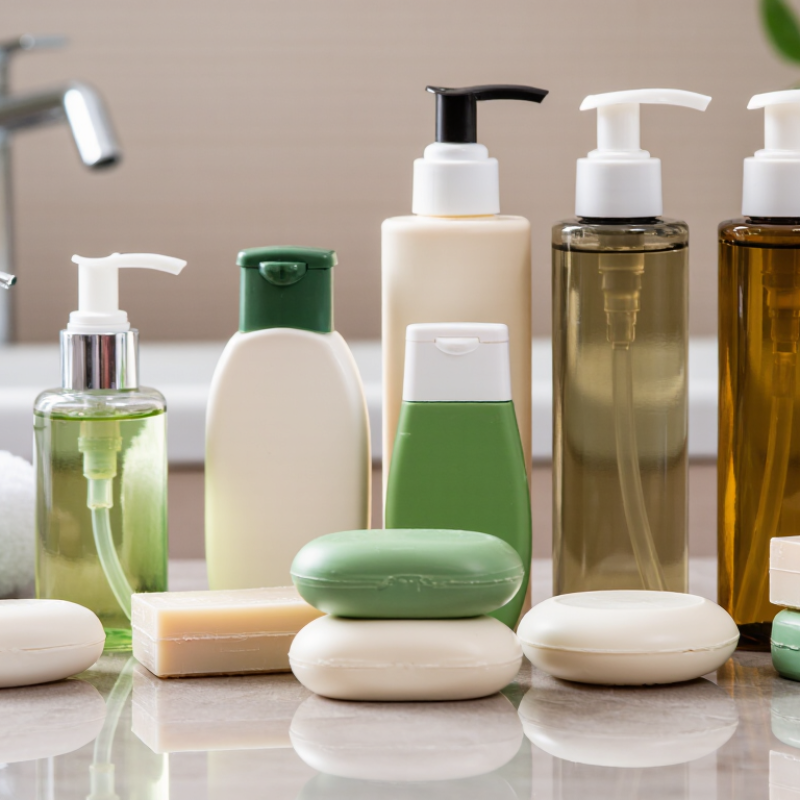
In 2026, the best hotel soaps and shampoos for bulk buying are not simply the cheapest cartons. They must perform reliably across different guests, rooms, and climates. From a procurement perspective, a mild, pH-balanced formula is a safer starting point than a strong fragrance. Clear ingredient lists matter. So does documented quality testing. A guest may use the soap twice, while another may use it for a week. The product should remain pleasant in both cases. Small details matter.
For soap, look for firm bars that resist melting on a wet basin, or sealed liquid refills that suit controlled dispensers. Shampoo should rinse clean without leaving heavy residue on fine or treated hair. Unscented or lightly scented options usually reduce complaints. However, “universal” formulas are not perfect. Some guests still need richer moisture or fragrance-free care. That limitation deserves honest planning, not exaggerated claims.
Bulk value also depends on packaging, shelf life, and delivery consistency. Compare usable cost per guest, not only price per box. Check carton strength, leak protection, batch codes, and storage instructions before signing a large order. Trial a small shipment in rooms, housekeeping closets, and transport conditions. Record guest comments and dispenser faults. One overlooked issue is waste: oversized bottles can increase leftovers, while tiny packs create excess packaging. I would review the choice quarterly, because supplier reliability and guest expectations can change faster than a purchasing spreadsheet.
| Product Format | Typical Unit Size | Common Bulk-Pack Range | Typical pH Range | Key Quality Indicators | Hygiene and Packaging | Best Use in 2026 |
|---|---|---|---|---|---|---|
| Wrapped soap bar | 15–25 g per bar | 200–1,000 bars per carton | Usually 9–10 for traditional soap | Firm texture, consistent molding, low crumbling, pleasant but moderate fragrance, clear ingredient declaration | Individually wrapped for guest hygiene; paper packaging can reduce plastic use when moisture protection is adequate | Large hotels, guesthouses, short-stay properties and high-turnover rooms |
| Milled or syndet soap bar | 20–40 g per bar | 200–800 bars per carton | Approximately 5–7 for many syndet formulas | More uniform appearance, smoother lather, better resistance to cracking, skin-friendly cleansing system | Individually sealed; check wrapper material, moisture resistance and carton compression strength | Upscale accommodation and properties seeking a milder cleansing profile |
| Single-use shampoo bottle | 20–30 ml per bottle | 200–500 bottles per carton | Commonly 4.5–6.5 | Stable viscosity, easy rinsing, secure cap, consistent fill volume and legible ingredient label | Tamper-evident or sealed closure recommended; confirm bottle resin, cap material and recycling instructions | Properties requiring individually portioned amenities or serving mixed guest profiles |
| Single-use shampoo sachet | 8–15 ml per sachet | 500–2,000 sachets per carton | Commonly 4.5–6.5 | Reliable seals, clean tear-open design, non-leaking laminate and uniform product weight | Very low product volume per unit, but multilayer sachets are often difficult to recycle | Budget lodging, emergency stock and locations where theft or cross-use is a concern |
| Bulk refill shampoo cartridge | 250–500 ml per cartridge | 12–48 cartridges per carton | Commonly 4.5–6.5 | Compatible dispenser connector, controlled dose, leak resistance and clear replacement instructions | Closed cartridge systems help limit direct contact; dispensers require scheduled cleaning and inspection | Midscale and upscale hotels prioritizing lower packaging waste and operational efficiency |
| All-in-one hair and body wash | 250–500 ml refill format or 20–30 ml single-use format | 12–48 refill units or 200–500 single-use units | Commonly 4.5–6.5 | Balanced cleansing, suitable viscosity for pumps, easy rinsing and clear product identification | Reduces the number of dispensers or amenities required; avoid confusing labels and poorly marked containers | Limited-service hotels, hostels, serviced apartments and properties emphasizing simplicity |
2026 Best Hotel Soaps and Shampoos for Bulk Buying
Bulk purchasing starts with product type, not the lowest carton price. Bar soaps suit properties seeking longer shelf life and lower leakage risk. Liquid body wash and shampoo create a cleaner, more modern guest experience. Wall-mounted dispensers can reduce individual packaging, but installation and refill control require staff training. According to Grand View Research, the global hotel toiletries market was valued at approximately USD 18 billion in 2023, with continued growth expected through 2030.
Formula selection should match guest needs and operating conditions. Mild, sulfate-free shampoo may support sensitive scalps, while glycerin-based soap can feel less drying in air-conditioned rooms. Avoid heavy fragrance. It can divide guest opinions. Travel-size bottles, commonly 20–40 milliliters, work for short stays and premium rooms. Larger 300–500 milliliter refills suit dispensers and reduce replenishment frequency. According to the U.S. Environmental Protection Agency, packaging contributes significantly to municipal solid waste, so procurement teams should measure both product use and packaging weight.
Packaging needs practical testing. Pumps should release a consistent dose without dripping onto vanity surfaces. Flip-top caps are cheaper, yet they may open during transport. Recycled plastic, aluminum tubes, paper cartons, and refill pouches offer different durability and recycling challenges. The Ellen MacArthur Foundation reports that packaging remains a major source of global plastic use. Still, “sustainable” claims need verification. I would test one room block for four weeks, record consumption, leakage, guest comments, and housekeeping time before committing to a large order.
Common liquid amenity fill sizes by packaging format, measured in millilitres.
When buying hotel soaps and shampoos in bulk, price should not lead the decision. Quality begins with stable formulas, clear ingredient lists, reliable batch testing, and packaging that survives wet bathroom conditions. I have learned to test pumps with damp hands, not showroom fingers. A clogged dispenser can damage guest trust quickly.
Safety requires more than a pleasant fragrance. Request the safety data sheet, allergen information, preservative details, and microbiological test records. Ingredient screening should follow recognized cosmetic manufacturing practices, such as ISO 22716 guidance. The EPA Safer Choice program also shows how ingredient-level review can support safer purchasing, although certification alone cannot replace supplier checks. Test products on different hair types and sensitive skin conditions. Results may be imperfect.
Sustainability needs measurable evidence. The 2023 UNEP Turning off the Tap report estimates that global plastic pollution could fall by 80% by 2040 through systemic changes, including reuse and better design. Refillable dispensers can reduce small plastic bottles, but only when housekeeping can clean and refill them safely. The World Economic Forum and Ellen MacArthur Foundation reported that only 14% of plastic packaging was collected for recycling. That figure makes lightweight packaging sound less impressive. Compare packaging weight, recycled content, refill efficiency, transport volume, and wastewater impact. For guest experience, choose mild scents, readable labels, smooth pumps, and consistent pressure. A small trial across several rooms can reveal more than a polished supplier presentation.
Bulk purchasing requires more than comparing the lowest unit price. A supplier may offer attractive rates, but freight, packaging, and storage can change the final cost. Request tiered pricing for several quantities. Confirm whether prices include bottles, caps, labels, and delivery. Minimum order quantities also matter. A small hotel may save per unit but hold excess stock for months. That ties up cash and shelf space.
Custom branding should be checked early. Ask for label templates, print colors, bottle options, and sample approval procedures. A physical sample can reveal weak pumps, leaking caps, or uncomfortable soap texture. Supplier reliability needs evidence, not promises. Review production lead times, quality checks, replacement policies, and communication speed. Request ingredient documents and batch information. One overlooked detail can delay a guest-room rollout.
Tips: Order samples before signing a large agreement. Compare landed costs, not unit prices. Ask for a written production schedule. Keep backup packaging options. Also, do not assume the cheapest supplier is the safest choice. I have seen purchasing plans focus heavily on branding while ignoring replenishment timing. That mistake becomes visible during busy seasons. A reliable supplier should explain delays honestly, even when the answer is inconvenient.
A practical purchasing process starts with occupancy, not the lowest carton price. STR’s 2024 U.S. hotel review reported occupancy near 63%, with average daily rates above $150. That demand still fluctuates by season, property type, and local events. Review twelve months of room nights, then estimate soap and shampoo use per occupied room. Keep a small safety stock, but avoid filling an entire storeroom. Heat, leakage, and forgotten products create hidden costs.
Guest expectations also deserve measurable attention. Booking.com’s 2024 Sustainable Travel Report found that 75% of travelers wanted more sustainable travel choices. Select refillable dispensers or compact containers with clear ingredient and recycling information. Check pump durability, seal quality, scent strength, and accessibility during a real housekeeping trial. A product can look premium yet fail after repeated handling. Test it.
Build a simple supplier scorecard. Include unit cost, delivery reliability, minimum order quantity, packaging weight, complaint rates, and replacement terms. The U.S. Environmental Protection Agency’s WaterSense program identifies efficient showerheads at 2.0 gallons per minute or less; lower water use can also reduce amenity consumption. Review guest feedback monthly, not only during contract renewal. My own caution is simple: forecast errors are common. A spreadsheet cannot fully predict weddings, renovations, or sudden group bookings. Keep assumptions visible and revise them.
We are the most reliable and proficient jute goods manufacturer & supplier that helps businesses or individuals with various exportable agricultural commodities biz and jute goods by shipping them worldwide. Our right-time service ensures that whatever color and size of jute product you need, we can make it happen anytime and anywhere! Let’s keep our earth safer to live in!
Important link
Address
Bangladesh Address:
Fair Plaza (9th Floor), Plot : 3C, Section : 01, Mirpur, Dhaka:1216
UK Office:
242 Manor Road, Droylsden, Manchester, M43 6JD, United Kingdom.
Let's Talk
We are the most reliable and proficient jute goods manufacturer & supplier that helps businesses or individuals with various exportable agricultural commodities biz and jute goods by shipping them worldwide. Our right-time service ensures that whatever color and size of jute product you need, we can make it happen anytime and anywhere! Let’s keep our earth safer to live in!
Bangladesh Address:
Fair Plaza (9th Floor), Plot : 3C, Section : 01, Mirpur, Dhaka:1216
UK Office:
242 Manor Road, Droylsden, Manchester, M43 6JD, United Kingdom.