
Choosing among the 2026 Best Natural Specimen Suppliers for Global Buyers requires more than comparing prices or catalog size. A reliable supplier should show clear provenance, accurate identification, and consistent export documentation. Buyers may source minerals, fossils, preserved plants, or legally obtained educational specimens. Each category needs different handling standards. Some require permits, quarantine papers, or protected-species checks before shipment.
Professional evaluation begins with evidence. Review collection methods, country-of-origin records, laboratory reports, packaging procedures, and customer references. Ask whether the supplier separates verified material from decorative pieces with uncertain backgrounds. A polished website proves little. Direct answers matter more. Experienced vendors should explain moisture control, labeling systems, damage prevention, and replacement policies. They should also understand customs rules in the destination market, rather than leaving every compliance task to the buyer.
Sustainability must remain central. Natural Specimen businesses should avoid protected wildlife, illegally excavated fossils, and materials collected from restricted areas. Supplier claims deserve independent checking. Sometimes, documents are incomplete. That is a warning, not a minor inconvenience. No supplier profile is perfect, and even established companies may need stronger digital traceability. This guide compares global providers through practical standards, including authenticity, legal compliance, product condition, communication, and long-term reliability. It also considers smaller specialists, because niche expertise can outperform a larger catalog. Buyers should still verify current regulations before ordering. Standards change. Records need review. That caution may feel slow, but it protects collections, budgets, and professional credibility.
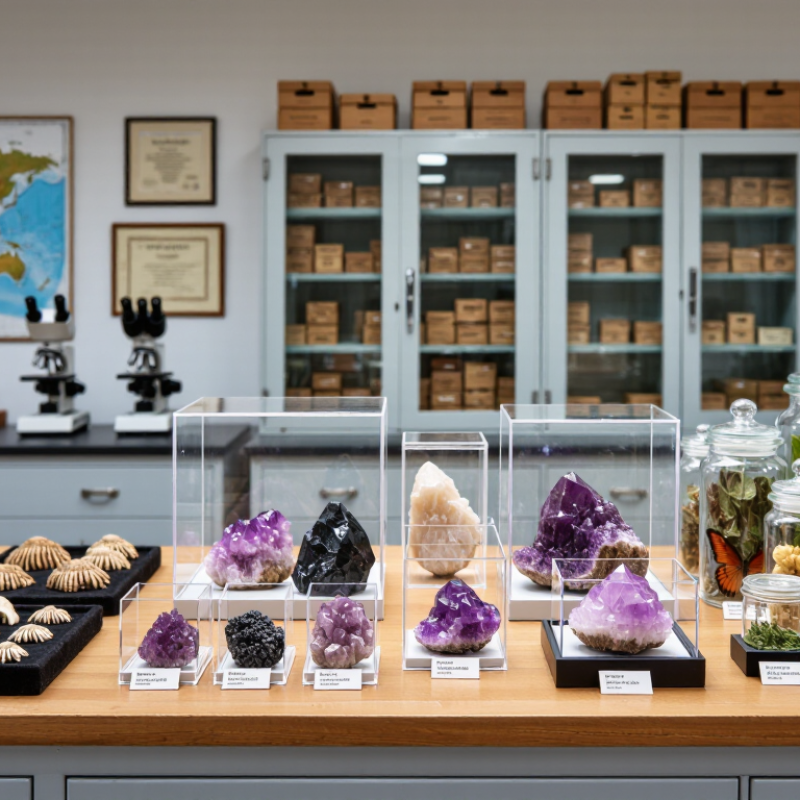
Natural specimens are physical examples collected from nature, such as minerals, fossils, seeds, shells, and legally sourced preserved materials. They support classroom demonstrations, laboratory comparison, museum work, and responsible interior displays. A specimen makes abstract science visible. Its texture, weight, structure, and color can reveal details that photographs often miss.
Global buyers need more than attractive pieces. They need accurate identification, stable packaging, collection dates, origin records, and export documentation. The USGS Mineral Commodity Summaries 2025 reports that global mine production remains substantial across many mineral groups. This scale highlights a practical issue: commercial availability does not prove specimen quality or traceability. A polished mineral may look impressive, yet its geological context can be missing. That weakens research and educational value.
Biodiversity data also shows why reference materials matter. The Global Biodiversity Information Facility reported more than three billion species-occurrence records by 2024. Digital records expand access, but physical specimens still help researchers verify appearance and variation. The category remains messy. No single global report measures every natural-specimen trade, and terminology differs between countries. Responsible suppliers should therefore explain sourcing limits, species or mineral identification methods, and legal compliance. Buyers should request photographs, condition notes, and paperwork before payment. Small documentation gaps deserve attention. They can become expensive problems during customs review, classroom use, or scientific cataloging.

What natural specimens are and why global buyers need them
Natural specimens are collected examples of minerals, rocks, fossils, and other materials formed by natural processes. Mineral specimens are widely used in education, geological research, museum collections, jewelry design, and product testing. The chart compares representative minerals using the Mohs hardness scale, which ranges from 1 for talc to 10 for diamond.
Evaluating natural specimen suppliers in 2026 requires more than comparing prices. Ask for clear specimen photographs, accurate scientific names, collection dates, and geographic origins. A reliable supplier should explain how each item was obtained and documented. Vague phrases such as “rare local find” deserve careful questioning.
Request sample labels, commercial invoices, and export paperwork before placing a large order. Confirm whether the specimen needs permits or special customs declarations in your country. For protected plants, fossils, shells, or animal materials, verify applicable international and local rules.
Experienced suppliers usually understand packaging risks. Glass vials need cushioning, while delicate leaves require dry, breathable protection. Moisture can ruin a carefully prepared collection.
I also examine communication habits. Do replies answer technical questions, or only repeat sales language? Ask about storage conditions, identification methods, replacement policies, and previous international shipments. Independent references, laboratory reports, or institutional records can strengthen credibility.
Still, no supplier is perfect. I once trusted a polished catalog and overlooked inconsistent label formats. That mistake made later verification slower and more expensive. A small trial order helps test packing, documentation, specimen accuracy, and delivery handling. Keep written records of every claim. Good judgment grows through checking details, not impressive promises.
Global buyers need more than a colorful catalog when searching for reliable natural specimen suppliers worldwide. A polished website proves little. Look for suppliers that identify each item clearly, including its scientific or geological name, origin, size, condition, and collection date when available. Clear records show working knowledge, not just sales ability. Ask how specimens are packed. Fragile minerals and preserved botanical materials need suitable cushioning, moisture control, and stable labeling during long-distance transport.
Reliable suppliers answer specific questions before payment. They should explain provenance, export rules, import documents, and protected-species restrictions. For wildlife-derived or botanical materials, request lawful acquisition records and permits where required. Never accept vague claims such as “museum quality.” Ask for fresh photographs, scale references, treatment details, and a written condition report. Independent identification can prevent expensive mistakes.
Compare suppliers through established trade directories, specialist exhibitions, laboratory networks, and verified professional referrals. Check business registration, operating history, delivery records, and responses to complaints. Small test orders are sensible. They reveal packing quality and communication speed. Still, no supplier is perfect. A second source helps when stock changes, documents expire, or descriptions remain incomplete. That caution can feel slow when a rare item appears. It is often the safer buying habit.
A reliable supplier should explain where each specimen came from, not merely describe its appearance. Ask for collection dates, locality details, ownership records, and export documents. The paperwork should match the physical item. Check labels, measurements, weight, and photographs against the delivered specimen. Small inconsistencies deserve attention. I have seen attractive pieces with vague histories, and I once trusted polished photographs too quickly. That was a costly reminder.
Quality verification should combine practical inspection with independent expertise. Examine surfaces under strong, neutral light for artificial coloring, repairs, resin fills, or unusual symmetry. Request high-resolution images before purchase. For valuable or scientifically important specimens, use an independent laboratory, museum specialist, or qualified taxonomist. Testing methods depend on the material. A credible supplier should accept reasonable verification without pressure. Do not guess.
Ethical sourcing requires more than a statement on a website. Ask whether the material was legally collected, purchased from permitted operations, or obtained from documented estates and institutions. Suppliers should identify protected species and refuse questionable material. They should also explain worker safety, local community benefits, and environmental controls. Verify permits with relevant authorities when regulations require it. Records may still be incomplete, especially for older collections, so state that limitation openly. Honest uncertainty is more reliable than perfect claims. Keep invoices, declarations, test reports, and correspondence together for future audits.
2026 Best Natural Specimen Suppliers for Global Buyers?
How to Compare Prices, Shipping, and Import Requirements
Price comparisons should begin with the landed cost, not the catalog price. Ask whether the quote includes packing, insurance, export handling, and delivery. A low price can change after customs fees appear. Request an itemized invoice with the scientific name, quantity, condition, and declared value. Experienced buyers also compare sample quality. A clear scale photo helps, but it cannot replace physical inspection.
Shipping details deserve equal attention. Confirm the carrier, tracking method, delivery window, and damage policy. Fragile minerals may need foam-lined boxes and moisture control. Botanical or animal-origin materials can require special packaging and permits. A dependable supplier should explain its packing process and provide lawful provenance records. Short answers are a warning sign.
Import requirements vary by destination and specimen type. Check tariff codes, quarantine rules, protected-species controls, and documentation before payment. Some shipments need certificates, treatment records, or an import permit. Ask who prepares each document and who corrects errors. I have seen buyers focus on unit price and overlook storage fees at customs. That mistake is expensive. My own comparison sheets are useful, but imperfect; exchange rates and inspection delays still disturb forecasts. Verify every assumption with your customs authority and a qualified broker.
| Supplier Category | Typical Origin Region | Main Specimen Types | Indicative Wholesale Price | Typical Export Packing | Estimated Air-Freight Cost* | Typical Lead Time | Common Import Documents and Controls | Buyer Suitability |
|---|---|---|---|---|---|---|---|---|
| Mineral and crystal wholesaler | South America, Southern Africa, Central Asia | Quartz, fluorite, calcite, amethyst, agate, tourmaline | US$3–US$45/kg | Individual wrapping, foam-lined cartons, moisture-resistant outer boxes | US$7–US$16/kg for 20–100 kg shipments | 7–21 days, excluding customs |
| Low regulatory risk |
| Fossil dealer and geological collection supplier | North America, Europe, North Africa, East Asia | Ammonites, fossil wood, trilobites, fossil leaves, prepared rock slabs | US$8–US$180/piece | Rigid foam protection, edge guards, shock-resistant cartons or crates | US$9–US$22/kg; oversized slabs may require freight forwarding | 10–30 days |
| Medium regulatory risk |
| Shell and marine specimen supplier | Indian Ocean, Southeast Asia, Pacific Islands | Empty shells, coral rubble, sea urchin tests, beach-worn marine specimens | US$2–US$25/kg | Cleaned, dried, individually separated, packed in ventilated cartons | US$8–US$18/kg for 10–50 kg shipments | 10–28 days |
| Medium to high risk |
| Dried botanical specimen supplier | Europe, East Asia, South Asia, Latin America | Pressed plants, seed pods, cones, dried leaves, educational herbarium material | US$4–US$35/kg | Fully dried, pest-free, sealed sleeves, moisture absorbers, rigid mailers | US$10–US$24/kg for small commercial parcels | 14–35 days |
| High documentation need |
| Ethically sourced insect specimen supplier | Central and South America, Southeast Asia, Africa | Mounted butterflies, beetles, moths, educational insect sets | US$3–US$30/piece | Pin-mounted cases, crush-resistant boxes, humidity protection | US$12–US$28/kg for small parcels | 14–35 days |
| High regulatory risk |
| Feather and bird-related specimen supplier | North America, Europe, Oceania, selected African regions | Naturally molted feathers, educational bird parts, legally sourced study material | US$5–US$60/set | Cleaned, sealed, labeled, protected from moisture and crushing | US$12–US$30/kg for small shipments | 21–45 days |
| Very high regulatory risk |
| Ethical taxidermy and preserved zoological specimen supplier | Europe, North America, Southern Africa, Oceania | Legally sourced skulls, antlers, bones, preserved insects, educational mounts | US$20–US$450/piece | Disinfected, odor-controlled, sealed bags, double-wall cartons or crates | US$14–US$35/kg; crated items cost more | 21–60 days |
| Very high regulatory risk |
| Educational specimen kit assembler | Europe, North America, East Asia | Mixed mineral sets, fossil kits, rock cycles, classroom display collections | US$12–US$95/kit | Compartment trays, labels, printed identification sheets, retail-ready cartons | US$6–US$15/kg for consolidated shipments | 14–30 days |
| Lowest compliance complexity |
| *Freight figures are indicative 2026 planning ranges in USD for ordinary, non-dangerous shipments and exclude duties, taxes, brokerage, insurance, remote-area surcharges, inspections, permits, and oversized-crate fees. Actual classification depends on the specimen, preparation method, species, origin, destination, and intended use. Buyers should confirm the applicable HS code, CITES status, phytosanitary rules, wildlife controls, cultural-property restrictions, and customs requirements with the destination-country authorities before placing an order. | ||||||||
We are the most reliable and proficient jute goods manufacturer & supplier that helps businesses or individuals with various exportable agricultural commodities biz and jute goods by shipping them worldwide. Our right-time service ensures that whatever color and size of jute product you need, we can make it happen anytime and anywhere! Let’s keep our earth safer to live in!
Important link
Address
Bangladesh Address:
Fair Plaza (9th Floor), Plot : 3C, Section : 01, Mirpur, Dhaka:1216
UK Office:
242 Manor Road, Droylsden, Manchester, M43 6JD, United Kingdom.
Let's Talk
We are the most reliable and proficient jute goods manufacturer & supplier that helps businesses or individuals with various exportable agricultural commodities biz and jute goods by shipping them worldwide. Our right-time service ensures that whatever color and size of jute product you need, we can make it happen anytime and anywhere! Let’s keep our earth safer to live in!
Bangladesh Address:
Fair Plaza (9th Floor), Plot : 3C, Section : 01, Mirpur, Dhaka:1216
UK Office:
242 Manor Road, Droylsden, Manchester, M43 6JD, United Kingdom.