
2026 Best Plastic Take Out Food Container Suppliers?
Choosing the right Plastic Take Out Food Container supplier in 2026 requires more than comparing prices. Restaurants, caterers, and food distributors need packaging that protects meals during delivery, storage, and service. A container may look sturdy on a product page, yet fail when filled with hot soup or stacked in a crowded delivery bag.
This guide examines suppliers through practical purchasing criteria. These include material quality, lid fit, leak resistance, heat tolerance, customization, production capacity, and shipping reliability. Food-contact documentation also deserves careful attention. Suppliers should provide clear specifications, test records, and applicable compliance information for each product and market. Details matter. Vague promises do not replace evidence.
Real purchasing experience shows that the cheapest option is not always economical. A weak hinge, warped base, or loose lid can create refunds and damaged customer relationships. Reliable suppliers usually explain their manufacturing process and respond clearly to technical questions. They should also discuss minimum order quantities, sample approval, lead times, and quality-control procedures before accepting a large order.
Still, no supplier is perfect. Product performance can change between samples and mass production. Buyers should test containers with actual foods, temperatures, transport times, and stacking conditions. This guide compares notable 2026 suppliers while recognizing that regional availability, certification requirements, and material preferences may differ. The goal is not to promote one universal choice, but to help buyers make a careful, evidence-based decision.
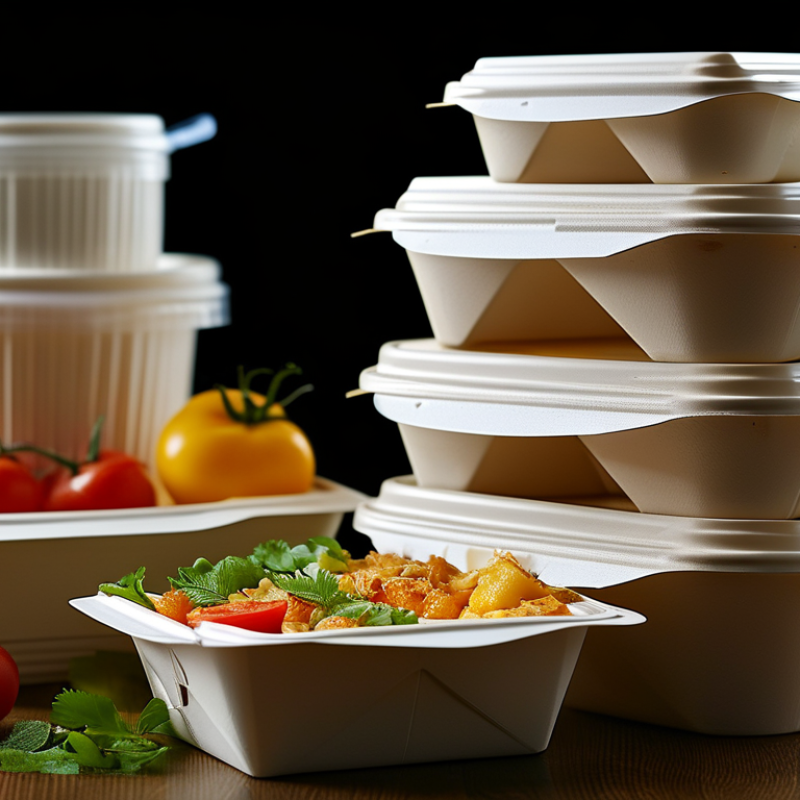
Table of Contents [Hide]
Types of Plastic Take-Out Food Containers
In 2026, food businesses still need take-out containers that protect meals, control costs, and reduce handling problems. The right plastic type depends on temperature, texture, transport time, and local disposal systems. Here are the main formats suppliers commonly provide. Clear hinged containers use one attached lid. They suit salads, pastries, sandwiches, and ready-to-display meals. Their visibility helps customers inspect food before opening. However, thin hinges can crack after repeated stacking. That small failure can create a surprisingly large mess.
Microwave-safe polypropylene containers handle hot rice, noodles, soups, and sauced dishes more reliably. They usually flex instead of shattering, which helps during delivery. Some versions include separate compartments for proteins, vegetables, and grains. Compartment trays preserve visual separation. They are practical, but not perfect. Steam can collect under the lid, softening fried food and weakening crisp textures. For oily or acidic meals, buyers should request test samples before placing volume orders. A container that looks sturdy in a catalog may warp in real service.
Foam-style containers remain lightweight and insulating, but many operators avoid them because disposal options are limited. Rigid deli tubs work well for soups, sauces, desserts, and chilled prepared foods. Their round walls support stacking, while tight lids help reduce leaks. For catering, large rectangular containers offer useful capacity and efficient storage. Suppliers should provide material details, temperature ranges, lid compatibility, food-contact documentation, and sample testing. Ask how containers perform after thirty minutes in a delivery bag. That practical check matters more than attractive product photos. I have learned that “leak-resistant” is not the same as leak-proof.
| Plastic Type | Typical Food Container Formats | Temperature Performance | Key Advantages | Main Limitations | Best-Fit Applications | Common Resin Identification Code | Supplier Selection Priorities |
|---|---|---|---|---|---|---|---|
| Polypropylene (PP) | Hinged clamshells, deli tubs, meal-prep trays, soup containers, microwaveable bowls | Generally suitable for hot-fill and microwave applications; many grades tolerate approximately 100–120°C, depending on design and formulation | Heat resistant Good chemical resistance, low density, durable, and commonly available in reusable or disposable formats | Can become brittle at low temperatures; clarity is usually lower than PET | Hot meals, soups, curries, rice dishes, prepared foods, and refrigerated deli products | 5 | Confirm microwave suitability, lid fit, leak resistance, wall thickness, and food-contact compliance |
| Polyethylene Terephthalate (PET) | Clear hinged boxes, salad containers, cold-food trays, beverage cups, dessert containers | Best for chilled and ambient-temperature foods; standard PET is not generally intended for conventional microwave heating | Excellent clarity Strong, lightweight, good moisture and gas barrier, and suitable for attractive product presentation | Limited heat resistance; can deform under high heat; not ideal for hot-fill applications unless specially engineered | Salads, fruit, sandwiches, cold noodles, desserts, bakery items, and chilled takeaway meals | 1 | Check clarity, anti-fog performance, seal quality, recycled-content availability, and cold-chain durability |
| High-Density Polyethylene (HDPE) | Opaque tubs, soup containers, bottles, portion cups, and heavy-duty takeaway containers | Suitable for cold foods and many hot-food uses; heat performance varies by grade and container geometry | Tough and reliable Good impact strength, moisture resistance, chemical resistance, and performance in chilled conditions | Usually opaque or translucent; lower stiffness and clarity than some alternatives; not normally used for high-heat microwave applications | Soups, sauces, dairy foods, condiments, cold meals, and products requiring strong moisture protection | 2 | Evaluate impact strength, stacking stability, closure security, wall uniformity, and temperature claims |
| Polystyrene (PS) | Rigid food trays, cold-food containers, portion cups, and foam takeaway boxes | Standard PS is generally intended for cold or room-temperature foods; foam grades have limited heat and mechanical performance | Lightweight Low cost, easy to form, and available in rigid and expanded forms with good insulation in foam formats | More brittle than PP, limited heat resistance, and subject to restrictions in some markets; foam formats can be difficult to recycle | Cold foods, bakery products, short-distance takeaway, and applications where low weight is important | 6 | Review local regulations, food-contact documentation, breakage resistance, and end-of-life requirements |
| Expanded Polystyrene (EPS) | Foam clamshells, insulated bowls, cups, and protective food trays | Provides thermal insulation but is not suitable for high-temperature cooking or prolonged exposure to very hot foods | Strong insulation Very light, economical, and effective for reducing short-term heat transfer | Bulky for recycling and transport, low resistance to crushing, and restricted or prohibited for foodservice use in some jurisdictions | Short-distance transport of warm or cold foods where insulation and low weight are essential | 6 | Verify local legislation, transport durability, dimensional stability, and available collection or recycling options |
| Polycarbonate (PC) | Reusable food containers, durable meal boxes, display containers, and specialty beverage or food-service items | High heat capability compared with many commodity plastics; exact limits depend on grade, repeated-use conditions, and manufacturer testing | High durability Excellent impact resistance, transparency, and suitability for repeated-use systems | Higher material cost; may scratch over time; requires careful compliance review for food-contact use | Reusable foodservice programs, institutional catering, catering displays, and durable meal-storage systems | 7 | Confirm repeated-use testing, dishwasher performance, scratch resistance, chemical compatibility, and regulatory documentation |
| Polybutylene Succinate (PBS) | Specialty compostable or partially bio-based trays, lids, films, and foodservice packaging components | Performance varies significantly by formulation; typically used for chilled or moderate-temperature foods unless specifically rated otherwise | Bio-based option Can offer flexibility and biodegradation potential in appropriately managed industrial composting systems | Less widely available, higher cost, and compostability depends on the exact formulation and local processing infrastructure | Specialty foodservice packaging where certified compostability and local organic-waste collection are available | 7 | Request certification, composting conditions, barrier data, shelf-life testing, and confirmation of accepted disposal routes |
| Polylactic Acid (PLA) | Clear cold-food cups, salad containers, lids, dessert boxes, and specialty compostable packaging | Generally intended for cold or ambient foods; standard PLA has limited heat resistance and is not normally suitable for hot liquids or microwave use | Clear and compostable in specific systems Good appearance and can be produced from renewable feedstocks | Low heat resistance, potential brittleness, and industrial composting is required for many certified products | Cold salads, fruit, desserts, chilled beverages, and events with verified commercial composting access | 7 | Check certification scope, maximum service temperature, brittleness, lid compatibility, and local composting acceptance |
Purchasing note: Temperature ranges and food-contact suitability depend on the specific resin grade, additives, manufacturing process, container geometry, and intended use. Suppliers should provide current food-contact declarations, migration-test documentation, applicable recycling or compostability certifications, and validated performance data before commercial approval.