
2026 Top PE Waterproof Tarp Suppliers for Global Buyers
For global buyers, selecting a reliable Pe Waterproof Tarp supplier in 2026 requires more than comparing prices. Product performance depends on fabric structure, coating quality, edge reinforcement, and manufacturing consistency. A tarp may look strong under showroom lights, yet fail after weeks of ultraviolet exposure, folding, and heavy rain. That difference matters.
Dr. Elaine Foster, a polyethylene materials consultant, explains, “A dependable tarp begins with verified materials, not attractive specifications.” Her point reflects a common purchasing lesson. Buyers should check GSM, tensile strength, tear resistance, UV treatment, lamination layers, and heat-sealed seams. Eyelet spacing also deserves attention. Weak grommets can pull through when wind loads increase.
Supplier evaluation needs practical evidence. Ask for recent test reports, production photographs, sample rolls, and clear packaging details. Confirm whether the quoted dimensions are cut size or finished size. Small wording differences can create costly misunderstandings. It happens.
This guide reviews leading PE Waterproof Tarp suppliers for international purchasing teams. It considers factory experience, customization ability, quality-control procedures, export readiness, and communication standards. These factors support more confident decisions across construction, agriculture, logistics, disaster-response preparation, and outdoor storage.
No supplier is perfect. Even a strong factory may face seasonal delays, material changes, or inconsistent subcontracting. Buyers should inspect samples and request written specifications before placing large orders. A careful process is slower at first. It usually prevents greater losses later.
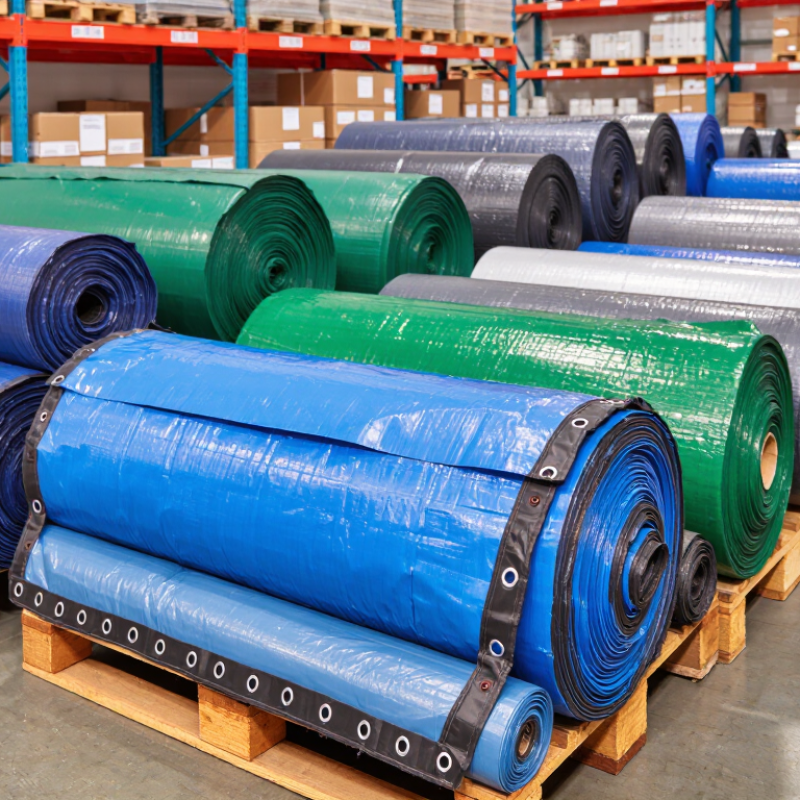
Table of Contents [Hide]
What Is a PE Waterproof Tarp and Why Does It Matter?
A PE waterproof tarp is a sheet made from woven polyethylene fabric, usually coated with an additional PE layer. This structure blocks rain while keeping the material relatively light and flexible. In practical use, it can cover timber, machinery, farm supplies, temporary shelters, or open truck loads. A good tarp should resist water penetration at seams, not only across its flat surface. That detail is easy to overlook.
Its value becomes clear in changing weather. UV exposure can make weak plastic brittle, while wind repeatedly tests eyelets, hems, and ropes. Buyers should examine fabric density, coating thickness, waterproof test results, tear strength, and grommet spacing. Color may affect heat absorption, but it does not prove durability. Reliable suppliers should provide consistent specifications and test records. Ask for production samples and inspect the corners after folding and unfolding. Small checks reveal poor reinforcement.
From sourcing experience, specifications often sound more precise than they are. “Heavy duty” has no universal meaning, so measurable data matters. A tarp can pass a factory test and still fail when dragged over rough concrete. I would confirm finished dimensions, packing conditions, repair policy, and expected service life. Tarp life is finite. Even a reliable one needs proper tension, clean storage, and protection from sharp edges. It matters.
2026 Top PE Waterproof Tarp Suppliers for Global Buyers - What Is a PE Waterproof Tarp and Why Does It Matter?
| Evaluation Dimension | Industry-Recognized Benchmark | Why It Matters to Global Buyers | Recommended Supplier Verification |
|---|---|---|---|
| Product Definition | A PE waterproof tarp is usually made from woven polyethylene fabric laminated or coated with polyethylene film on one or both sides. | The woven base provides tensile strength, while the polyethylene coating helps resist rain, moisture, dirt, and short-term outdoor exposure. | Request a construction description identifying the woven scrim, lamination layers, coating material, and finished edge treatment. |
| Common Material Structure | High-density polyethylene woven fabric with low-density or linear low-density polyethylene lamination is widely used for commercial tarps. | The combination balances strength, flexibility, weldability, and production cost. | Check the material declaration and confirm whether recycled resin is used in the fabric or coating layers. |
| Finished Fabric Weight | Typical range70–300 g/m² for many general-purpose commercial applications. | Higher fabric weight commonly improves coverage durability and handling resistance, but it also increases shipping weight and cost. | Verify weight using a defined tolerance, such as a stated percentage deviation from the ordered specification. |
| Waterproof Performance | Performance depends on coating continuity, seam construction, fabric density, and hydrostatic-pressure resistance. | A tarp may be waterproof through the sheet but still leak through needle holes, damaged edges, or poorly sealed seams. | Ask for hydrostatic-pressure or water-column test results and inspect seam, corner, and grommet construction. |
| Fabric Construction | Common constructions include woven strip fabric with laminated surfaces and reinforced borders. | Fabric construction affects tear resistance, dimensional stability, foldability, and resistance to puncture. | Request a cut sample or technical datasheet showing fabric composition, weave structure, and reinforcement method. |
| Size Availability | Standard finished sizes often range from approximately 2 m × 3 m to 10 m × 20 m, with custom sizes available. | Large tarps can reduce the number of overlaps required for trucks, construction materials, agricultural products, and temporary shelters. | Confirm finished-size tolerance, cutting method, diagonal measurement, and whether the quoted size is cut size or finished size. |
| Edge Reinforcement | Typical options include folded hems, sewn or heat-welded edges, webbing reinforcement, and perimeter ropes. | Reinforced edges distribute tension and reduce tearing around grommets during tie-down and wind loading. | Check reinforcement width, stitch density or weld quality, corner patches, and the method used to secure the perimeter rope. |
| Grommet System | Grommet spacing commonly falls within approximately 50–100 cm, depending on tarp size and intended load. | Closer spacing can provide more tie-down points, while incorrect spacing may create concentrated stress and premature failure. | Specify grommet material, internal diameter, spacing tolerance, corner placement, and pull-out test requirements. |
| UV Resistance | UV stability is normally improved with ultraviolet absorbers or stabilizers incorporated into the polymer formulation. | Sunlight can cause fading, embrittlement, cracking, and loss of tensile strength, especially in long-term outdoor use. | Ask for accelerated-weathering test conditions, exposure duration, and retained tensile or tear strength after testing. |
| Temperature Suitability | Polyethylene products generally remain flexible at moderately low temperatures but can soften or deform under high heat. | Cold storage, winter transport, hot containers, and desert applications can require different formulations and constructions. | Obtain the supplier's tested operating range and evaluate a production sample under the expected climate conditions. |
| Tensile and Tear Strength | Strength varies significantly with fabric weight, denier, weave density, lamination, and test direction. | Higher strength is important for cargo covers, construction protection, agricultural storage, and windy outdoor environments. | Request warp and weft tensile results plus tear-strength data, with the applicable test method clearly identified. |
| Flame Performance | Standard PE tarps are not automatically fire-resistant or flame-retardant. | Fire performance may be required for temporary structures, industrial sites, public events, and specific transport applications. | Specify the required regional or project standard and require a valid test report for the exact material construction. |
| Color and Light Stability | Common colors include blue, green, silver, white, black, and customized shades. | Light colors can reduce solar heat absorption, while darker colors may offer better visual coverage and dirt concealment. | Confirm color tolerance, minimum order quantity for custom colors, and resistance to fading after weathering exposure. |
| Seam and Repair Options | PE-based tarps can commonly be heat-sealed, hot-air welded, sewn, or repaired with compatible patches depending on construction. | Reliable repairability extends service life and lowers replacement costs in remote or demanding applications. | Request recommended repair materials, welding temperature guidance, and instructions for field maintenance. |
| Packaging and Export Readiness | Typical export packaging includes folded units, compressed bales, cartons, woven bags, or palletized loads. | Efficient packaging reduces cubic volume, protects finished surfaces, and helps prevent moisture damage during ocean transport. | Confirm packing dimensions, gross and net weight, pallet requirements, moisture protection, and shipping marks. |
| Quality Documentation | Useful documentation includes product specifications, batch records, inspection reports, and test results for relevant properties. | Traceable documentation supports customs clearance, project acceptance, claims handling, and repeat purchasing. | Require lot identification, inspection criteria, sampling plans, and documentation that matches the shipped product. |
| Best-Fit Applications | Common uses include truck covers, construction protection, agricultural storage, temporary shelters, ground sheets, and cargo protection. | Application-specific design prevents buyers from overpaying for unnecessary performance or selecting material that is too light for the intended load. | Match fabric weight, reinforcement, UV package, grommet layout, and dimensions to the actual exposure and tie-down conditions. |
| Buyer Priority for 2026 Sourcing | Prioritize verified specifications, consistent batch quality, transparent testing, export packaging, and responsible material declarations. | These factors reduce total landed cost, quality disputes, field failures, and supply interruptions. | Use a documented approval process covering samples, pre-production confirmation, inspection, shipment release, and corrective-action procedures. |
Note: The values and ranges above are general commercial benchmarks for PE waterproof tarps, not guarantees for every product. Final performance should be confirmed through the supplier’s technical datasheet, approved sample, and test report for the exact construction and intended application.