
Choosing a metals supplier is not simply a price comparison. It is a decision about quality, continuity, documentation, and risk.
The World Steel Association reported global crude steel production of about 1.89 billion tonnes in 2023. The USGS Mineral Commodity Summaries 2024 also recorded global aluminum production near 70 million metric tonnes. These figures show the market’s enormous scale. They also reveal a problem: supplier differences can disappear behind similar product descriptions.
For buyers researching KungFu Metals, practical verification matters more than impressive claims. Start by checking alloy grades, dimensional tolerances, heat numbers, and independent test reports. A reliable supplier should explain how each coil, sheet, tube, or custom part is traced from production to shipment. Ask about ISO 9001-based quality systems, inspection equipment, corrective-action records, and realistic lead times. Request samples when surface finish or machining accuracy matters. Hold the sample under bright light. Measure its thickness at several points. Small inconsistencies can become expensive failures during fabrication.
The OECD Steel Outlook 2024 highlights continuing pressure from capacity changes, trade conditions, and weaker demand in parts of the steel market. Therefore, a low quotation may not represent the lowest total cost. Freight, packaging, rejected batches, testing, and delayed production must be included. Sustainability claims also deserve evidence, such as recycled-content data or emissions documentation.
No checklist catches everything. I have seen polished certificates create false confidence. A better approach combines documents, physical samples, transparent communication, and references from comparable buyers. These seven tips will help you judge KungFu Metals with more discipline, while recognizing that every supplier relationship still requires ongoing review.
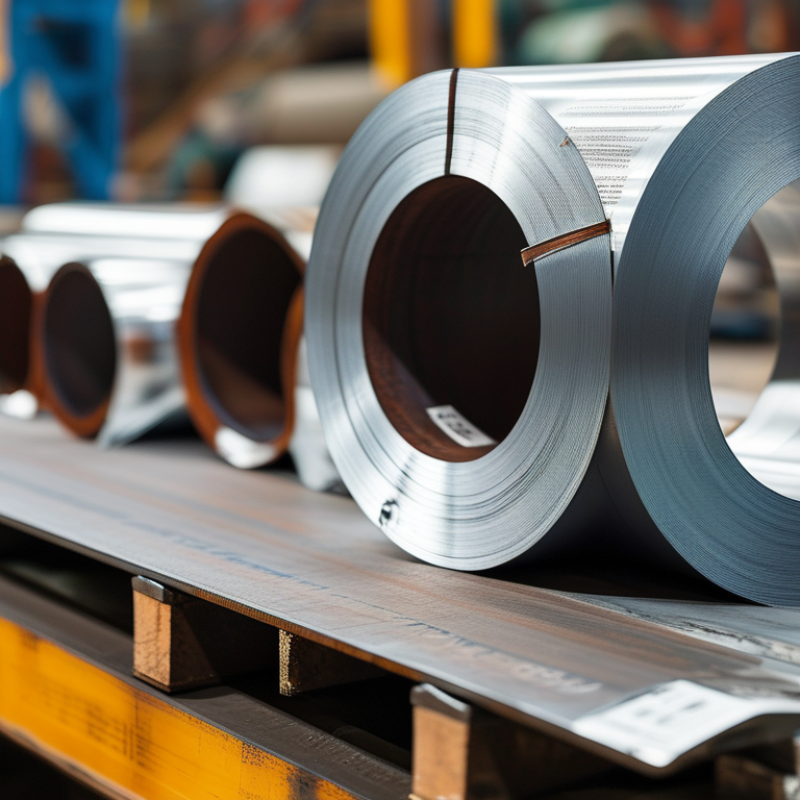
Defining your metal product is the real starting point when choosing a supplier. State the alloy, temper, thickness, width, length, surface finish, and permitted tolerances. A vague request such as “stainless sheet” invites mismatched quotations and avoidable rework.
Specify the risk. For formed parts, include bend radius, grain direction, hole position, and expected production volume. For machined components, provide drawings, critical dimensions, inspection points, and a sample application. I have seen small tolerance omissions create large delays.
Your supply requirements should also describe delivery, documentation, and packaging. Request mill test certificates, material traceability, inspection records, and clear nonconformance procedures. ISO’s 2023 survey recorded more than 1.26 million ISO 9001 certificates worldwide, but certification alone does not prove production capability. Ask for recent, relevant evidence.
The World Steel Association’s October 2024 outlook forecast global steel demand at about 1.75 billion tonnes in 2024 and 1.77 billion tonnes in 2025. That scale shows why allocation, lead time, and raw-material planning deserve written commitments. Confirm minimum order quantities, monthly capacity, buffer stock, shipping terms, and replacement responsibilities. Ask how the supplier protects thin edges during transport. It sounds minor. It is not. I would also compare two or three trial lots, because an attractive first quotation can hide inconsistent flatness, delayed certificates, or packaging weaknesses.

Choosing a KungFu metals supplier requires more than comparing quotations. Experience should appear in production records, not only in a website introduction. Ask how long the factory has produced similar alloys, thicknesses, and surface finishes. Request sample inspection reports and photographs from recent batches. Details matter: coil edges, laser-cut corners, packaging, and rust prevention often reveal process discipline.
Certifications provide useful evidence, but they are not automatic guarantees. The ISO Survey 2022 recorded more than 1.2 million ISO 9001 certificates worldwide, showing how common quality systems have become. Verify the certificate number, scope, issuing body, and expiry date. For metal applications, request material certificates, chemical composition results, tensile data, and dimensional inspection records. Independent laboratory testing can strengthen confidence. Paperwork is not proof.
Production capacity must match your schedule and risk level. The World Steel Association reported approximately 1.89 billion tonnes of crude steel production in 2023. Large industry output does not mean every supplier has dependable capacity. Ask for monthly output, machine availability, lead-time records, and backup equipment. Check whether inspection occurs during production, not only before shipment. A factory may promise fast delivery, yet subcontract critical steps without clear disclosure. I have seen capacity claims change after peak-season orders. No checklist is flawless. Keep one. Review it after every trial order, even when the first shipment looks perfect.
A reliable metals supplier should provide clear material specifications before quoting. Check the alloy grade, dimensions, tolerance, surface condition, and applicable standards. Ask for mill test certificates linked to each heat number. Those records should show chemical composition, tensile strength, yield strength, and elongation. For stainless or coated materials, request corrosion or coating test results when relevant. Do not accept a generic certificate for a custom order. It may look professional, but it proves little.
During supplier evaluations, I have found traceability especially valuable. Each bundle should carry an identifiable label, production date, and batch reference. An independent laboratory can verify samples when the application is critical. Review the laboratory’s accreditation and testing methods, not only its printed report. A supplier with in-house inspection should explain equipment calibration and inspection frequency. Ask how nonconforming material is isolated and recorded. The answer should be specific. Vague promises deserve a second look.
Quality control is not limited to final inspection. Examine incoming material checks, process controls, packaging, and shipment records. Request a sample inspection report with measurements and acceptance limits. I once focused too heavily on price and overlooked inconsistent thickness readings. That mistake caused extra machining and delayed delivery. Supplier audits can reveal small weaknesses, such as handwritten records or poorly protected surfaces. They are not automatic failures, but they require corrective action, evidence, and follow-up. Photos help, though they cannot replace physical testing.
7 Tips for Choosing a KungFu Metals Supplier
Tip 1: Compare complete pricing, not only the quoted unit price. Include tooling, packaging, inspection, freight, and customs costs. A cheaper quote can become expensive after delivery charges. Tip 2: Request the same specifications from every supplier. Compare alloy grade, dimensions, tolerance, surface finish, and testing documents. Otherwise, the comparison is not fair. Tip 3: Check payment terms carefully. A smaller deposit may protect cash flow, but it can signal a higher final price.
Tip 4: Review the minimum order quantity, or MOQ. A low MOQ suits product trials and uncertain demand. A high MOQ may reduce the unit price but increase storage pressure. Tip 5: Ask whether mixed sizes or materials are allowed within one order. This detail can make a large difference for smaller buyers. Tip 6: Confirm the actual production lead time. Separate material preparation, manufacturing, quality checks, and shipping. “Fast delivery” is too vague. In supplier evaluations, I have seen buyers trust estimated dates without checking capacity. That mistake caused avoidable delays.
Tip 7: Compare delivery terms using the same basis. Clarify the shipping point, responsible party, insurance, documents, and destination charges. Confirm whether the promised date means shipment or arrival. Ask about delay notices and packaging standards. A written schedule is more reliable than a friendly promise. Still, forecasts can change when raw material availability shifts. Leave some buffer time, especially for a first order.
| Tip | Comparison Dimension | Practical Benchmark | What to Confirm | Potential Cost Impact | Warning Sign |
|---|---|---|---|---|---|
| 1 | Compare the Complete Price | Compare the material price together with processing, packaging, testing, tooling, and freight. For fabricated metal parts, processing and finishing can materially exceed the raw-material cost. | Request a line-item quotation based on the same grade, dimensions, tolerance, surface finish, quantity, and delivery location. | A low unit price may become less competitive after tooling, inspection, export packing, or shipping charges are added. | One bundled price with no explanation of inclusions or exclusions. |
| 2 | Check Minimum Order Quantity | Common minimums vary by product: stock materials may be sold by piece, sheet, bar, or coil, while custom parts often begin at approximately 50–500 pieces or one production batch. | Confirm whether the minimum applies per item, size, finish, material grade, or total order value. | A smaller order may carry setup, cutting, or tooling charges even when the quoted unit price is acceptable. | The supplier will not disclose batch size, setup fees, or the quantity required for repeat production. |
| 3 | Evaluate Lead Time and Capacity | For standard stock, dispatch may take about 3–10 business days. Custom fabrication commonly requires about 15–45 business days after drawing approval, depending on complexity and volume. | Ask for a production schedule covering material procurement, first-article approval, mass production, inspection, and dispatch. | Rush production can involve overtime, expedited material sourcing, or premium freight charges. | Only a vague promise such as “fast delivery” without a confirmed production date. |
| 4 | Compare Delivery and Trade Terms | Compare the same delivery basis, such as ex-works, free carrier, or delivered service. Freight transit may add several days to several weeks depending on destination and transport mode. | Confirm the named place, export documents, insurance responsibility, customs clearance, and who pays duties and taxes. | A lower factory price may result in a higher landed cost when freight, customs, handling, and local delivery are included. | The quotation does not identify the delivery point or responsibility for import charges. |
| 5 | Verify Material and Quality Documents | For traceable metal orders, request a material test certificate, dimensional inspection report, surface-finish record, and certificate of conformity when applicable. | Confirm the material grade, heat or batch number, chemical composition, mechanical properties, testing method, and document format. | Inspection and certification fees may be charged separately, especially for small or customized orders. | The supplier cannot provide a sample report or explain how material batches are traced. |
| 6 | Review Payment Terms | Common arrangements include a deposit before production and the balance before shipment. Established business relationships may support staged payments or approved credit terms. | Confirm currency, bank charges, payment milestones, refund conditions, and whether the balance is linked to inspection approval. | A large upfront payment increases working-capital exposure and should be balanced with stronger documentation and inspection controls. | Payment is requested to an unrelated account or the terms change after the purchase order is issued. |
| 7 | Assess Samples, Warranty, and Support | A capable supplier should support a drawing review, prototype or first article, documented acceptance criteria, and a defined process for nonconforming goods. | Ask who pays for samples, how revisions are approved, the warranty period, response time, replacement policy, and corrective-action procedure. | A sample or pre-shipment inspection adds upfront cost but can reduce the risk of expensive rework, returns, and production delays. | The supplier avoids written specifications, refuses sample approval, or offers no remedy for defective or out-of-tolerance parts. |
Note: The quantities, lead times, and payment practices shown are general procurement benchmarks. Actual terms depend on material grade, product complexity, order volume, destination, inspection requirements, and the final written quotation.
Assess Communication, Support, and Long-Term Reliability
A metals supplier should communicate clearly before receiving your purchase order. Ask how quickly technical questions are answered and who handles urgent changes. Request written details for alloy grades, tolerances, surface finish, packaging, and delivery dates. Good communication leaves a trace. It reduces expensive misunderstandings later.
During supplier evaluations, I look for practical support, not polished promises. Can the team explain test reports in plain language? Will they share inspection records, production photos, and corrective-action updates? Ask for a sample quality report. It reveals more than a general capability statement. Slow replies are a warning sign. Still, one delayed email does not prove poor performance; workloads and time zones can interfere. This is where my judgment can be imperfect.
Long-term reliability requires evidence across several orders. Review on-time delivery data, complaint handling, replacement procedures, and capacity during busy periods. A dependable supplier reports a problem early, proposes a measurable fix, and confirms the result. Keep agreed specifications in writing, including revision dates and approval limits. Schedule periodic reviews instead of waiting for failure. Small gaps matter. A supplier may meet the first deadline yet struggle with consistent batch quality. Check references from comparable projects, but verify those claims independently. Support should continue after shipment, when dimensional questions or installation issues appear. That response often separates a temporary vendor from a durable manufacturing partner.
We are the most reliable and proficient jute goods manufacturer & supplier that helps businesses or individuals with various exportable agricultural commodities biz and jute goods by shipping them worldwide. Our right-time service ensures that whatever color and size of jute product you need, we can make it happen anytime and anywhere! Let’s keep our earth safer to live in!
Important link
Address
Bangladesh Address:
Fair Plaza (9th Floor), Plot : 3C, Section : 01, Mirpur, Dhaka:1216
UK Office:
242 Manor Road, Droylsden, Manchester, M43 6JD, United Kingdom.
Let's Talk
We are the most reliable and proficient jute goods manufacturer & supplier that helps businesses or individuals with various exportable agricultural commodities biz and jute goods by shipping them worldwide. Our right-time service ensures that whatever color and size of jute product you need, we can make it happen anytime and anywhere! Let’s keep our earth safer to live in!
Bangladesh Address:
Fair Plaza (9th Floor), Plot : 3C, Section : 01, Mirpur, Dhaka:1216
UK Office:
242 Manor Road, Droylsden, Manchester, M43 6JD, United Kingdom.