What Are the Benefits of Using Jute Products for Eco Living?
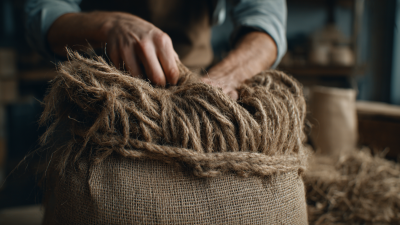
Jute products have gained popularity as eco-friendly alternatives in today's sustainable living movement. These natural fibers are derived from the jute plant, primarily grown in tropical regions. Their biodegradable nature makes them a responsible choice for reducing environmental impact.
Using jute products can significantly cut down plastic usage. Many items, such as bags and home decor, are crafted from jute. They offer durability without sacrificing style. However, it's crucial to be mindful of production practices. Not all jute products guarantee fair trade conditions, which is a point for reflection.
Moreover, embracing jute products invites a deeper connection to nature. They remind us of our role in preserving the environment. Adopting these items could lead to a more sustainable lifestyle. Still, consumers must remain vigilant about sustainability claims in marketing. Awareness is key to making truly eco-conscious choices.
Understanding Jute: An Overview of Its Properties and Benefits
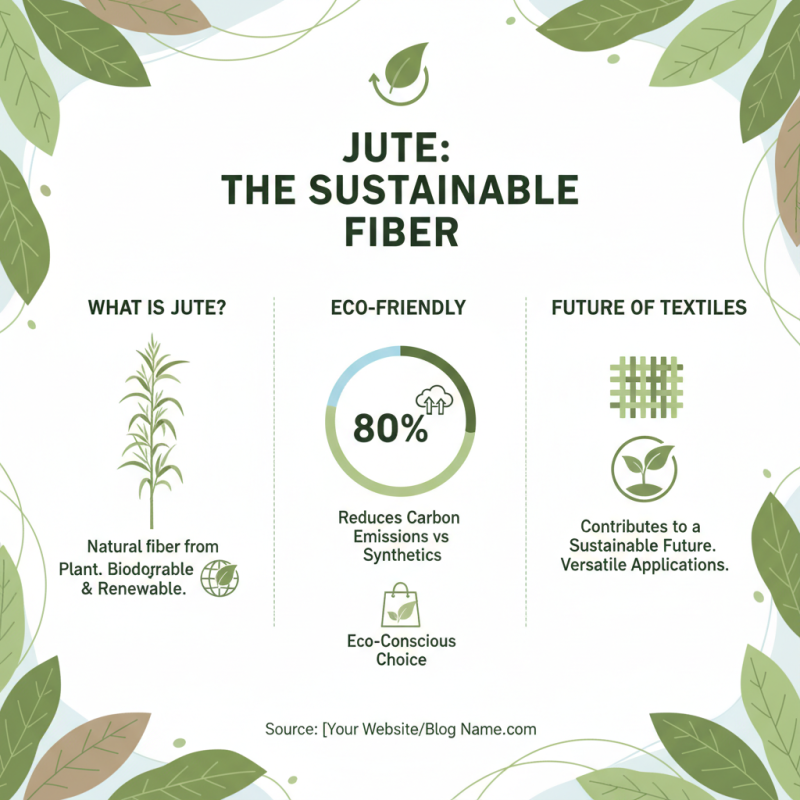
Jute is a natural fiber derived from the jute plant. It is one of the most eco-friendly materials available today. In the textile industry, jute contributes to a sustainable future. Studies show that jute can reduce carbon emissions by around 80% compared to synthetic fibers. Its biodegradable nature enhances its appeal for eco-conscious consumers.
Jute has excellent properties. It is strong yet lightweight, making it suitable for a variety of products, from bags to rugs. The fiber possesses moisture-regulating properties, ensuring that items made from jute remain durable and functional over time. A report by the Fiber Institute noted that jute is both renewable and highly efficient in usage, ensuring low environmental impact.
Tips: When selecting jute products, check for organic certifications. This ensures minimal chemical use during cultivation. Consider using jute bags for grocery shopping. They are sturdy, reusable, and reduce plastic dependency. Remember, the quality of jute can vary, so opt for products that seem well-crafted. Not all jute products are created equal, so be mindful of sourcing and quality. This adds a layer of responsibility to your eco-living journey.
The Environmental Impact of Jute Production Compared to Synthetic Fibers
The production of jute offers notable environmental benefits over synthetic fibers. Jute is a natural fiber. It grows quickly and requires less water than cotton. Unlike synthetic materials, jute is biodegradable. This means it won’t linger in landfills for decades. Cultivating jute also helps improve soil health. It replenishes nutrients and prevents soil erosion.
Many synthetic fibers are derived from petroleum. This process contributes to pollution and greenhouse gas emissions. In contrast, jute absorbs CO2 as it grows, making it a more sustainable choice. Choosing jute over synthetic options reduces reliance on fossil fuels. It’s a step towards a greener lifestyle.
**Tips:** Consider replacing plastic bags with jute alternatives. They are sturdy and reusable. When shopping for home decor, look for jute rugs or cushions. These add a natural touch to your space. Each small change contributes to a healthier planet. Remember, even small choices matter.
Health Benefits of Using Jute Products in Daily Life
Jute products are an excellent choice for a healthier lifestyle. They are made from natural fibers, which means no harmful chemicals are involved. Using jute bags or rugs can significantly reduce exposure to synthetic materials. This is particularly important for those sensitive to allergens.
In daily life, jute products can help improve air quality. Unlike plastic, jute is biodegradable. It decomposes naturally, reducing landfill waste. This can create a cleaner, more breathable environment in your home. However, it is essential to ensure proper cleaning of jute items, as they can absorb moisture and dust.
Additionally, jute has antimicrobial properties. This quality helps prevent the growth of bacteria, making it a safer option for households. However, not everyone may realize that jute can also be prone to mold in humid conditions. Regular maintenance is crucial. Incorporating jute products into your daily routine allows for a more sustainable lifestyle while considering health benefits.
Exploring Versatile Applications of Jute in Eco-Friendly Living
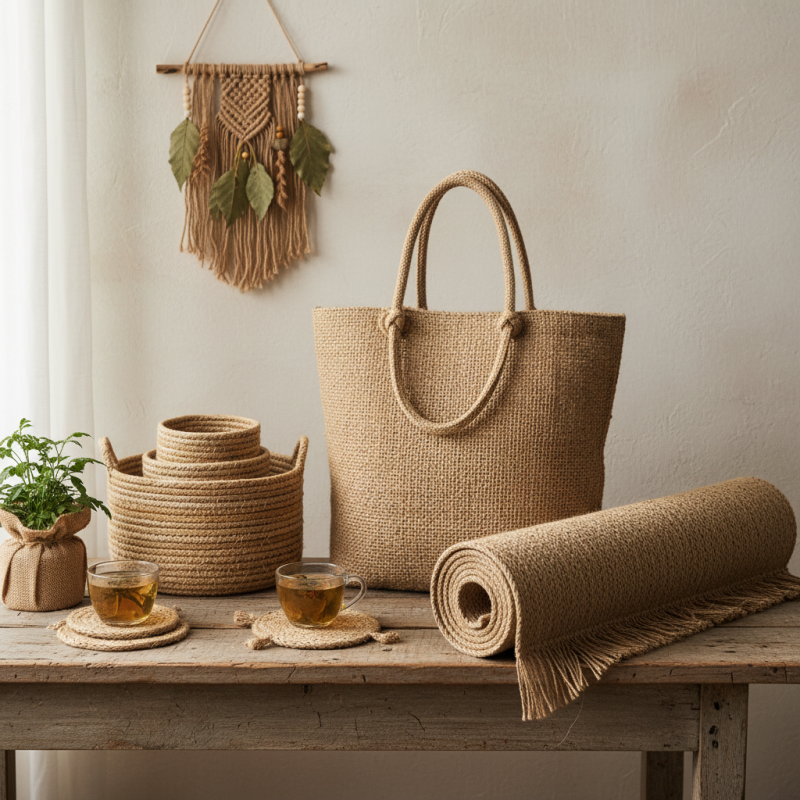
Jute is a natural fiber that is gaining popularity in eco-friendly living. Its versatility is remarkable. Bags, mats, and even clothing can be made from this sustainable material. According to a report by the Textile Exchange, jute has a lower environmental impact compared to synthetic fibers. This plant requires minimal water and pesticides, making it an ideal choice for eco-conscious consumers.
Home decor products made from jute are not only biodegradable but also stylish. Jute rugs and curtains can add a rustic touch to any space. In addition, they help improve indoor air quality. The World Health Organization has noted that natural fibers promote better air regulation. However, some challenges remain. The durability of jute products can be an issue in high-traffic areas.
On the fashion front, jute is being experimented with in garments and accessories. Some designers are merging jute with organic cotton or recycled materials. This approach creates unique textures. Yet, the market faces skepticism about jute's long-term presence in fashion. As trends shift, the future of jute products might need further exploration.
Benefits of Using Jute Products for Eco Living
This chart illustrates the key benefits of using jute products for eco-friendly living. The data highlights how jute excels in sustainability, biodegradability, versatility, cost-effectiveness, and durability, making it a great choice for environmentally conscious consumers.
The Economic Advantages of Choosing Jute Products for Consumers and Artisans
Using jute products offers many economic advantages for both consumers and artisans. Jute is affordable and biodegradable. For budget-conscious buyers, jute products provide a sustainable option without breaking the bank. Choosing jute helps support local artisans. This choice empowers communities and reinforces traditional crafts.
Tip: Look for local markets featuring jute items. Supporting local artisans reduces transportation costs and carbon footprints.
Artisans benefit from the growing demand for eco-friendly products. Jute can be transformed into various items, from bags to home decor. This versatility enables artisans to diversify their offerings and reach broader markets. However, competition can be tough. Not every artisan has the same access to resources or training.
Tip: Collaborate with artisans to create unique jute products. Focus on quality and design to stand out in the market.
While the economic benefits are clear, there are challenges to consider. Not every jute product is produced sustainably. Consumers need to research and ensure they support ethical practices. The journey toward embracing jute fully requires awareness and effort.
What Are the Benefits of Using Jute Products for Eco Living?
| Benefit |
Description |
Economic Advantage |
Environmental Impact |
| Sustainability |
Jute is a renewable resource that grows quickly and requires minimal pesticides. |
Lower long-term costs due to reduced need for synthetic alternatives. |
Less soil degradation and fewer chemicals leaching into the environment. |
| Biodegradability |
Jute products decompose naturally compared to plastic products. |
Saves disposal costs and can enhance community composting efforts. |
Reduces landfill waste and pollution. |
| Versatility |
Used in a variety of applications, from bags to home decor. |
Encourages diverse markets for artisans, boosting income opportunities. |
Contributes to sustainable practices in multiple industries. |
| Durability |
Jute is known for its strength and durability, making it long-lasting. |
Reduces the frequency of replacements and associated costs. |
Promotes less waste from frequently discarded products. |
| Aesthetic Appeal |
Natural look and texture add beauty to products. |
Can attract consumers looking for unique, environmentally friendly options. |
Encourages consumers to choose eco-friendly designs. |