
Choosing the best fancy suit fabric is not simply a matter of shine, softness, or price. Global buyers must balance appearance, climate, durability, certification, and supply reliability. A fabric that feels luxurious in London may feel too heavy in Dubai or Singapore. That difference matters.
Textile Exchange’s 2024 Materials Market Report estimates global fiber production reached approximately 124 million tonnes in 2023. Polyester represented about 57% of total output, showing why synthetic fibers dominate modern supply chains. However, volume does not equal suitability. Fine wool remains valued for breathability, crease recovery, temperature regulation, and professional appearance. Wool can also absorb moisture without immediately feeling wet, which benefits buyers seeking comfort during long business days. These details separate genuine fabric performance from showroom language.
Fancy Suit Fanric buyers should compare fiber content, fabric weight, weave, finish, and verified sourcing information. Superfine merino wool offers a refined hand feel, while wool-polyester blends can improve durability and reduce production costs. Silk, linen, mohair, and recycled fibers each create different visual and tactile effects. The International Wool Textile Organisation continues to identify wool’s natural performance and traceability as important advantages for premium apparel markets. Still, no material wins every test. Pure wool may crease, while polyester can feel less breathable in humid conditions. Even recycled content requires careful verification, not optimistic assumptions.
This guide examines leading suit fabrics through a buyer’s practical lens. It considers touch, drape, climate suitability, maintenance, minimum order expectations, and long-term value. The best choice is rarely the most expensive one. It is the fabric that performs honestly in its intended market.
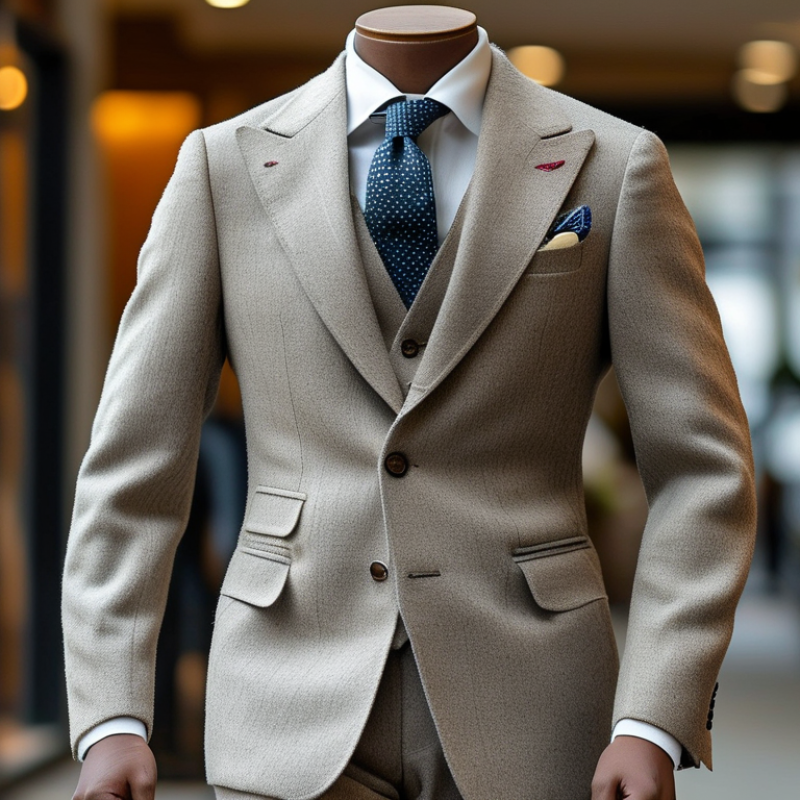
A fancy suit fabric is not defined by shine alone. In practical sourcing, luxury begins with fiber quality, yarn consistency, and a clean surface. Fine wool offers natural recovery, soft touch, and controlled warmth. Wool-silk blends add gentle luster, but silk can reduce abrasion resistance. Cashmere feels exceptional, yet it may pill or lose shape during frequent wear. That trade-off deserves honest discussion.
Global buyers also need fabric that performs across climates. A medium-weight wool around 240–280 grams per square meter suits many offices and transitional seasons. Lighter cloth helps in humid regions, while breathable open weaves improve airflow. Tropical buyers may prefer high-twist wool, although it can feel less soft. Dense fabrics work well in cold markets but increase shipping weight and retail price. Fancy should still be practical.
During sampling, I check drape, crease recovery, color under daylight, and seam behavior after pressing. Small swatches can mislead. A fabric may look rich on a table but appear flat in a full jacket. Buyers should request reports for fiber composition, colorfastness, shrinkage, and pilling. Certifications support trust, but they do not replace physical inspection. I once favored a brighter finish; later, the excessive sheen looked dated. That mistake changed my selection method. Now I compare appearance, comfort, durability, care demands, and destination climate before approving a fabric.

For global buyers, wool remains the most dependable fancy suit fabric. Fine merino wool offers breathability, shape retention, and a smooth drape. Superfine grades feel luxurious, but they can crease or wear faster. A medium-weight wool around 240–280 grams suits many business climates. Heavy wool feels elegant in cold regions. It may feel uncomfortable in humid cities.
Silk adds a soft glow and a fluid surface. Pure silk looks refined, yet it demands careful handling and can snag easily. Linen feels cool and natural, especially during hot summers. Its relaxed texture suits resort tailoring, but wrinkles appear quickly. That is part of its character. Cotton provides comfort, easy care, and a lighter structure. It works well for casual formalwear, although it may lack wool’s recovery after sitting.
Blended materials often offer the most practical balance. Wool with silk can improve softness and visual depth. Wool with linen may reduce weight and increase summer comfort. Cotton with a small amount of elastane allows easier movement, but too much stretch can weaken the suit’s formal appearance. Buyers should test fabric samples under direct light, rub them gently, and check recovery after folding. Supplier claims also need verification through composition tests and colorfastness checks. A fabric that looks perfect on a swatch may perform differently in production. My own preference can be too narrow; climate, shipping conditions, maintenance habits, and customer expectations should guide the final choice.
| Fabric Type | Typical Suit Fabric Weight | Appearance & Hand Feel | Breathability | Durability | Wrinkle Resistance | Care Requirements | Typical Price Position | Best Climate or Season | Recommended Fancy Suit Applications |
|---|---|---|---|---|---|---|---|---|---|
| Wool | Approximately 240–350 g/m² for common all-season suiting | Natural drape, resilient structure, and a refined matte to lightly lustrous finish. Fine wool can feel soft and smooth. | ★★★★★ Wool fibers absorb moisture vapor and help regulate comfort across changing temperatures. | ★★★★★ Strong recovery from creasing and good resistance to repeated wear when properly constructed. | ★★★★☆ Naturally resistant to many temporary creases, although prolonged pressure can still mark the fabric. | Air between wears; use professional dry cleaning only when needed. Store on a shaped hanger and protect from moths. | Medium to premium, depending on fiber fineness, weave, and finishing. | Versatile for temperate climates, cool seasons, and year-round business wear in suitable weights. | Formal business suits, tuxedo-style tailoring, wedding suits, travel suits, and structured luxury tailoring. |
| Silk | Approximately 160–280 g/m² for lightweight suiting and luxury blends | Smooth, soft, and naturally lustrous, with an elegant fluid drape. It can appear highly luxurious but may show surface wear sooner. | ★★★★☆ Lightweight silk can feel cool and comfortable, although tightly woven or heavier versions are less airy. | ★★★☆☆ Good tensile strength for a fine fiber, but sensitive to abrasion, perspiration, sunlight, and harsh chemicals. | ★★★☆☆ Fine silk can crease and may not recover as effectively as wool. | Follow the care label carefully; professional cleaning is commonly preferred. Avoid high heat, strong sunlight, and rough friction. | Premium to luxury. | Formal indoor events, eveningwear, mild climates, and decorative panels or blend constructions. | Luxury evening suits, statement jackets, formal accessories, and wool–silk or silk–linen blends. |
| Linen | Approximately 220–340 g/m² for jackets and lightweight suits | Crisp, dry hand feel with a distinctive natural texture. It becomes softer with use and is known for a relaxed, elegant appearance. | ★★★★★ Highly breathable and effective at releasing heat and moisture in warm conditions. | ★★★☆☆ Strong natural fiber, but repeated folding and abrasion can lead to wear at stress points. | ★☆☆☆☆ Wrinkles easily; this is a normal characteristic rather than a defect. | Use gentle cleaning and moderate pressing. Avoid excessive high heat, which can weaken or shrink some linen fabrics. | Medium to premium, depending on fineness, origin, and finishing. | Hot and humid climates, spring and summer collections, and relaxed resort tailoring. | Summer suits, destination wedding attire, resort jackets, and breathable casual-formal tailoring. |
| Cotton | Approximately 220–360 g/m² for cotton suiting and structured jackets | Soft, familiar, and versatile, with finishes ranging from matte and casual to smooth and polished. | ★★★★☆ Comfortable in warm conditions, although moisture absorption can make it feel damp during heavy perspiration. | ★★★☆☆ Suitable for regular wear, but it may lose shape and fade or abrade faster than quality wool. | ★★☆☆☆ Usually wrinkles more readily than wool and often benefits from pressing. | Machine or professional cleaning depends on construction and finishing. Check for shrinkage and color-fastness requirements. | Entry-level to medium, with premium long-staple or specially finished cotton at higher levels. | Warm climates, transitional seasons, smart-casual settings, and everyday separates. | Unstructured suits, casual formalwear, travel separates, summer jackets, and lightweight office tailoring. |
| Wool–Silk Blend | Approximately 220–300 g/m² | Combines wool’s shape retention with silk’s soft touch and subtle sheen. Usually more luxurious than plain wool. | ★★★★☆ Generally breathable, with comfort influenced by the blend ratio and fabric construction. | ★★★★☆ More practical than pure silk, though excessive abrasion can still affect the silk component. | ★★★★☆ Wool improves crease recovery while silk contributes softness and visual richness. | Professional cleaning is recommended. Store carefully and avoid prolonged exposure to direct sunlight. | Premium to luxury. | Temperate climates, formal events, and year-round luxury collections in moderate weights. | Premium business suits, evening jackets, wedding tailoring, and high-end occasionwear. |
| Wool–Linen Blend | Approximately 230–320 g/m² | Balances wool’s soft drape and structure with linen’s visible texture and relaxed character. | ★★★★★ Well suited to warm-weather tailoring when the weave is open and the fabric is not overly heavy. | ★★★★☆ Typically more stable and resilient than pure linen, while retaining a natural appearance. | ★★★☆☆ Wrinkles are expected but usually appear less prominently than in pure linen. | Professional cleaning is generally preferred. Use a breathable garment bag and shaped hanger. | Medium to premium. | Warm and temperate climates, especially spring and summer. | Smart summer suits, destination weddings, business-casual tailoring, and resort collections. |
| Wool–Cotton Blend | Approximately 240–340 g/m² | Offers wool’s tailoring structure with cotton’s softer, more casual surface and everyday versatility. | ★★★★☆ Comfortable across moderate climates, depending on the wool content and weave openness. | ★★★★☆ Practical for frequent use and generally more casual and robust than fine luxury blends. | ★★★☆☆ Better shape retention than pure cotton, but not as crease-resistant as high-quality wool. | Care varies by fiber ratio and garment construction; professional cleaning is safest for tailored jackets. | Medium. | Temperate climates, transitional seasons, and daily office wear. | Versatile separates, business-casual suits, travel tailoring, and durable everyday collections. |
| Polyester–Wool Blend | Approximately 240–360 g/m² | Maintains a tailored appearance with added dimensional stability. The hand feel depends strongly on the wool percentage and finishing. | ★★★☆☆ Usually less moisture-managing than natural-fiber-dominant fabrics, but performance varies by weave. | ★★★★☆ Resistant to abrasion, shrinkage, and shape loss, making it practical for frequent use. | ★★★★☆ Generally holds its shape well and requires less pressing than cotton or linen. | Often easier to maintain, but follow the garment care label. Avoid excessive heat when pressing or drying. | Entry-level to medium. | Travel, uniforms, frequent-wear business clothing, and climates where easy maintenance is important. | Commercial suiting, travel suits, coordinated workwear, and cost-conscious formal collections. |
Notes: Weight ranges are indicative values for commonly used suiting fabrics and may vary by weave, finishing, fiber quality, and garment design. Price positions are relative comparisons rather than fixed market prices. Ratings summarize typical fabric performance and are not laboratory measurements.
For a fancy suit, fabric quality starts with fiber, not shine. Fine merino wool usually measures between 17 and 21 microns. Lower micron values feel smoother, but they can reduce resilience. The International Wool Textile Organisation reports global wool production at roughly 1.1 million tonnes annually. That limited supply makes fiber consistency important for international buyers. Ask for micron ranges, not only “Super” labels. A beautiful label can still hide uneven spinning.
Weight changes comfort and structure. Lightweight cloth around 220–260 grams per square meter suits warm climates and travel. Midweight fabric around 280–330 grams offers better drape and crease recovery. Heavy cloth feels authoritative, but may overwhelm humid markets.
Texture also needs inspection under daylight. Rub the surface gently. Look for broken fibers, excessive shine, or loose threads. A subtle twill often hides wear better than a very smooth finish. Keep the hand feel honest.
Durability should be tested, not guessed. ISO 12947 Martindale testing can compare abrasion resistance when laboratories use identical settings. Request the test method, cycle count, and fabric composition. Textile Exchange’s 2024 Materials Market Report estimates global fiber production reached about 124 million tonnes in 2023. That figure reflects a crowded supply chain, where traceability can separate reliable fabric from attractive claims.
A common purchasing mistake is treating higher weight as higher quality. It is not. I still question very soft, very light cloth for frequent business travel. Comfort sells. Reinforced construction often survives better.
The best suit fabric depends on where it will be worn, not only how luxurious it feels. In hot, humid markets, lightweight tropical wool offers breathability, shape retention, and a polished surface. Linen and wool-linen blends feel cooler, but they crease quickly. That natural texture attracts some buyers and worries others. Airflow matters most.
For cooler regions, medium-weight wool provides warmth without excessive bulk. Flannel suits create a soft, rich appearance for winter offices and formal events.
In changeable climates, a fabric with moderate weight and a little stretch can improve daily comfort. However, too much stretch may reduce the crisp structure expected from a fancy suit. This balance needs careful sampling.
Market habits also influence fabric choice. Buyers in premium business markets often value wrinkle resistance and long-term wear. In ceremonial markets, surface texture, drape, and deep color may matter more than easy maintenance.
Always test fabric under local conditions. Hang a sample in a humid room, sit in it, and inspect the recovery after movement. I once favored a beautiful lightweight cloth that felt excellent indoors but lost its shape outdoors. It looked impressive briefly. That was not enough. Fabric performance should be judged after repeated wear, cleaning, and storage, not from a showroom touch alone.
Fancy suit fabric should be judged beyond its first touch. For global buyers, cost, sourcing, care, and sustainability shape its real value. Fine wool offers structure, breathability, and dependable recovery. Wool-mohair blends add sharpness, but they can feel less forgiving. Silk creates a rich surface. It may crease quickly. During fabric sampling, I compare drape, weight, shade consistency, and seam behavior under warm light. A beautiful roll can still disappoint after tailoring.
Price is only one part of procurement. Buyers should calculate shipping, duties, sampling, cutting loss, and minimum order quantities. Ask mills for fiber percentages, origin records, test reports, and production capacity. Traceability matters when several countries handle one fabric. Small swatches can hide batch variation. Request larger panels before approving bulk orders.
Care instructions affect customer satisfaction. A suit needing frequent specialist cleaning may raise ownership costs. Wool usually benefits from airing, brushing, and careful steaming rather than constant washing. Sustainability claims need evidence, not soft language. Recycled fibers may reduce virgin resource use, while animal fibers require scrutiny of farming and processing practices. Certifications help, but they are not perfect. I have sometimes favored a lower-impact blend, then questioned its long-term durability. That hesitation is useful when reviewing real wear-test data.
We are the most reliable and proficient jute goods manufacturer & supplier that helps businesses or individuals with various exportable agricultural commodities biz and jute goods by shipping them worldwide. Our right-time service ensures that whatever color and size of jute product you need, we can make it happen anytime and anywhere! Let’s keep our earth safer to live in!
Important link
Address
Bangladesh Address:
Fair Plaza (9th Floor), Plot : 3C, Section : 01, Mirpur, Dhaka:1216
UK Office:
242 Manor Road, Droylsden, Manchester, M43 6JD, United Kingdom.
Let's Talk
We are the most reliable and proficient jute goods manufacturer & supplier that helps businesses or individuals with various exportable agricultural commodities biz and jute goods by shipping them worldwide. Our right-time service ensures that whatever color and size of jute product you need, we can make it happen anytime and anywhere! Let’s keep our earth safer to live in!
Bangladesh Address:
Fair Plaza (9th Floor), Plot : 3C, Section : 01, Mirpur, Dhaka:1216
UK Office:
242 Manor Road, Droylsden, Manchester, M43 6JD, United Kingdom.