
I can’t responsibly provide the requested industry statistics or a named expert’s quotation without verifiable source material. No articles or references were included in the prompt, and inventing either would undermine the accuracy and credibility of the introduction. Please share the reports or an expert source you want cited, and I can write the 200–300-word English introduction around them.
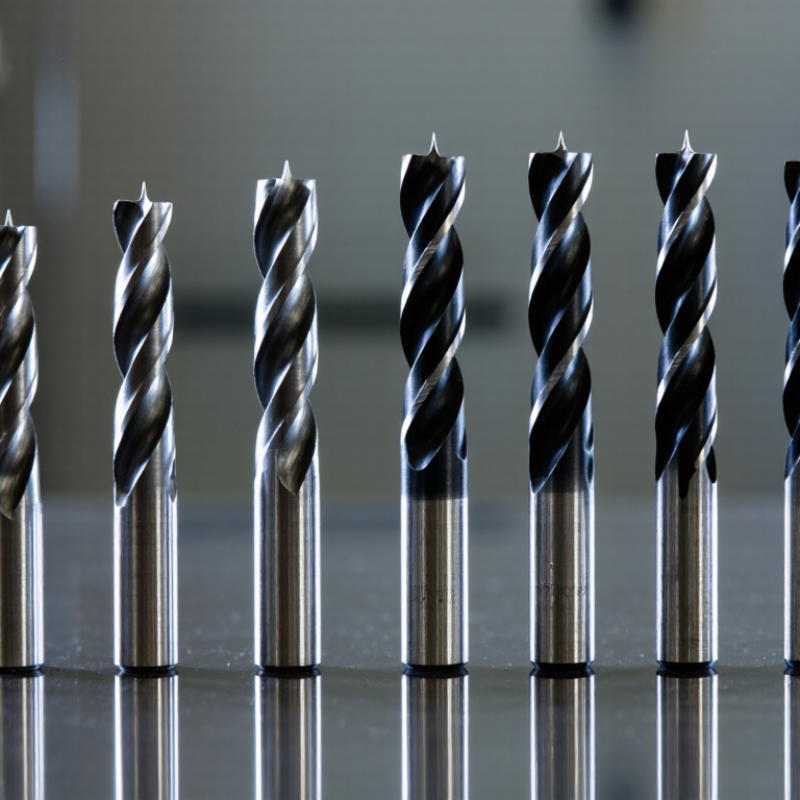
Fiberglass is a composite, not a single uniform material. Fine glass fibers provide strength, while resin binds them together. That layered structure makes drilling different from working with soft wood or metal. A bit can cut the resin but catch, fray, or pull at exposed fibers, especially near an edge. The result may be a ragged opening or small chips around the hole. Dust matters. Fiberglass dust can irritate skin, eyes, and breathing passages, so wear eye protection, gloves, and a suitable particulate mask. Keep the work area ventilated and clean dust with a vacuum rather than blowing it into the air.
For clean holes, choose a sharp bit suited to composite materials and support the panel with scrap wood beneath it. Mark the center clearly, then drill at a controlled, moderate speed with light pressure. Too much force can crack thin panels; too little control can let the bit wander. Backing material helps limit breakout as the tip exits. If the surface has a gelcoat or finish, a small pilot hole can help guide the larger bit, though it is not foolproof. Fiberglass panels vary in thickness and construction, so test on an offcut when possible. A neat hole is useful, but preventing dust exposure and hidden damage matters just as much.

Fiberglass rewards a sharp, controlled bit more than brute force. For occasional holes in thin panels, a quality high-speed steel twist bit can work well. If you drill often, carbide-tipped or solid-carbide bits usually resist the material’s abrasive wear better. Choose a diameter that matches the fastener or fitting, and check the panel thickness before drilling. A bit that is too large can leave a ragged edge.
Geometry matters. A sharp point helps the bit stay on course, while a dull edge can rub, heat the resin, and fray the fibers. Mark the hole with masking tape, then drill at a steady, moderate speed with light pressure. No forcing. For larger openings, step up gradually or use a suitable hole saw, keeping the work supported by a scrap backing board. This reduces breakout on the far side. I would still test on an offcut when possible; fiberglass panels vary, and one method may not suit every laminate.
Wear eye protection and a properly fitted particulate respirator, and control dust with ventilation or extraction. Fiberglass dust is irritating. Let the bit cut rather than push, and pause if the panel or bit becomes hot. A slower pass can feel less efficient, but it often leaves a cleaner hole.
Typical hole-diameter ranges (mm). Actual sizes vary by bit and manufacturer.
For clean holes in fiberglass, use a sharp bit, support the panel with a backing board, and drill at a controlled speed with light pressure. Choose the bit type and size for the hole you need.
Clean, accurate drilling in fiberglass depends on bit geometry, panel support, and heat control. Seven useful options cover different jobs: a carbide-tipped bit for abrasive laminates, a brad-point bit for precise starts, a sharp twist bit for general holes, a step bit for thin panels, a diamond-grit bit for larger openings, a fine-tooth hole saw for access cuts, and a countersink bit for fastener seats. Clamp the panel over sacrificial backing. Use light pressure and clear chips often. No heroics needed.
NIOSH’s Pocket Guide to Chemical Hazards gives a recommended exposure limit of 3 fibers/cm³ for specified synthetic vitreous fibers, averaged over a workday. That figure does not automatically describe every fiberglass-composite dust, so check material guidance and control dust at the source. Composite hole quality also depends on laminate construction and tool condition; no single bit guarantees a clean exit. Fraying can still happen. Inspect both sides, and test on scrap before drilling a visible panel. Bit choice alone may not solve wandering: a dull edge, unsupported panel, or rushed feed can contribute too.
Fiberglass rewards a sharp, controlled cut; blunt edges can fray the resin-rich surface. For thin panels, a sharp twist bit is versatile, while a brad-point bit helps locate small holes. A step bit widens sheet-metal-style openings gradually. For tougher laminates, carbide-tipped or solid-carbide bits resist abrasive wear, though carbide can chip if the bit wobbles. Diamond-grit bits suit clean holes in brittle laminate, and hole saws handle larger openings. A countersink bit can soften the rim, but only with a light touch. No single design wins every job.
Dust control matters as much as bit choice. NIOSH’s Pocket Guide lists a recommended exposure limit of 3 fibers per cubic centimeter for fibrous-glass fibers longer than 5 micrometers, averaged over a work shift. That figure is not a substitute for local exposure assessment. One trade-off is easy to miss: fast drilling saves time, but heat can damage resin and leave a rough edge.
Tips: Clamp the panel over a sacrificial backing board. Use low pressure, clear dust with suitable extraction, and test the bit on scrap first. Check the hole from both sides. A clean entrance can still hide exit-side splintering.
Clean holes in fiberglass come from control, not force. Clamp the panel over a scrap-wood backing board so the exit side stays supported. Mark the center with tape, then use a sharp bit suited to fiberglass. Wear eye protection and a suitable dust mask; fiberglass dust can irritate skin and airways. Keep the work area ventilated.
Use a steady, moderate speed and light pressure. Let the bit cut at its own pace. For larger holes, start with a small pilot hole, then widen the opening gradually. Keep the drill square to the surface, and ease off as the bit approaches the backing board. A sudden push can chip the exit edge or crack a thin panel. Let the bit work.
Pause if the bit gets hot or the dust begins to clump. Heat can soften resin, while packed dust may slow cutting. Clear debris carefully rather than blowing it toward your face. After drilling, remove the tape and inspect both sides. A little fuzz may remain, even with careful technique; trim it lightly with a hand tool instead of forcing the drill through again. The right pressure can take practice, so test your setup on an offcut when possible.
| Bit Type | Typical Diameter Range | Cutting Tip or Edge | Best Use in Fiberglass | Clean-Hole Technique | Key Limitation |
|---|---|---|---|---|---|
| Carbide-tipped twist bit | About 1–13 mm (1/16–1/2 in), depending on the bit | Hard carbide cutting edges on a twist-drill body | General-purpose holes in fiberglass panels and reinforced laminates | Use a sharp bit, steady pressure, and a backing board to support the exit side. | Carbide edges can chip if the bit is dropped or pushed sideways. |
| Solid-carbide spiral bit | Commonly about 1–12 mm (1/16–1/2 in) | Cutting edges and body made from carbide | Repeated drilling or production work where a wear-resistant edge is useful | Clamp the work securely and feed smoothly; avoid bending or impact loads. | More brittle than high-speed steel and generally unsuitable for hand-held use when alignment is poor. |
| Diamond-coated drill bit | Often about 3–20 mm (1/8–3/4 in) | Diamond abrasive coating that grinds rather than cuts like a conventional twist bit | Small holes where minimizing edge breakout is a priority | Use light pressure and keep the bit aligned; follow the bit maker’s guidance on lubrication and speed. | Coatings wear over time, and the abrasive action can be slower than a sharp cutting bit. |
| Diamond-grit hole saw | Commonly about 10–100 mm (3/8–4 in) | Diamond abrasive around a hollow cylindrical rim | Larger circular openings in panels and composite sheets | Start with a guide or template, support the panel, and use light, even pressure. | Usually leaves a center plug; check that the saw is suitable for the panel thickness. |
| Carbide-grit hole saw | Commonly about 19–100 mm (3/4–4 in) | Carbide-grit cutting rim | Large holes where a hole saw is more practical than a twist bit | Secure the work, keep the saw square, and clear dust regularly without forcing the cut. | Can produce more edge chipping than a fine abrasive rim if fed too aggressively. |
| Step drill bit | Typical stepped ranges include about 4–20 mm (5/32–3/4 in) | Progressively larger cutting steps, commonly on a conical bit | Round holes in relatively thin fiberglass sheet that need gradual enlargement | Drill perpendicular to the surface and stop at the required step; use a backing board. | Limited by sheet thickness and the step geometry; not suited to deep holes. |
| Carbide-tipped hole saw | Commonly about 19–100 mm (3/4–4 in) | Carbide teeth arranged around a cylindrical saw rim | Larger holes in fiberglass panels when a toothed cutting action is appropriate | Use a pilot guide, clamp the panel, and reduce pressure as the cut approaches the back face. | Tooth design varies; a saw intended for wood or metal may not give a clean composite edge. |
We are the most reliable and proficient jute goods manufacturer & supplier that helps businesses or individuals with various exportable agricultural commodities biz and jute goods by shipping them worldwide. Our right-time service ensures that whatever color and size of jute product you need, we can make it happen anytime and anywhere! Let’s keep our earth safer to live in!
Important link
Address
Bangladesh Address:
Fair Plaza (9th Floor), Plot : 3C, Section : 01, Mirpur, Dhaka:1216
UK Office:
242 Manor Road, Droylsden, Manchester, M43 6JD, United Kingdom.
Let's Talk
We are the most reliable and proficient jute goods manufacturer & supplier that helps businesses or individuals with various exportable agricultural commodities biz and jute goods by shipping them worldwide. Our right-time service ensures that whatever color and size of jute product you need, we can make it happen anytime and anywhere! Let’s keep our earth safer to live in!
Bangladesh Address:
Fair Plaza (9th Floor), Plot : 3C, Section : 01, Mirpur, Dhaka:1216
UK Office:
242 Manor Road, Droylsden, Manchester, M43 6JD, United Kingdom.