
• Home
  • About
    • jute Bag

      Eco-Chic and Durable – Perfect for Sustainable Living.

      Cashew Nut Bag

      Sustainable jute bag for lasting cashew nut freshness

      Cocoa Bag

      Eco-friendly jute bag for rich cocoa flavor preservation

      Coffee Bag

      Elegant, durable jute bag to keep coffee beans fresh and eco-friendly

      Hazel Nut Bag

      Eco-conscious jute bag for hazelnut freshness and quality

      Shea Nut Bag

      Durable jute bag for fresh, organic shea nuts

      Tote Bag

      Stylish, eco-friendly jute tote for daily essentials

      Wheat Bag

      Sustainable jute bag for optimal wheat freshness

    • Jute Yarn

      Eco-Chic and Durable – Perfect for Sustainable Living.

      Jute Rope

      Sustainable jute bag for lasting cashew nut freshness

      Jute Fabrics

      Eco-friendly jute bag for rich cocoa flavor preservation

      Hessian cloth

      Sustainable Hessian cloth suppliers

  • Products
  • Export Country
  • Blog

7 Best Floral Print Silk Fabric Suppliers for Global Buyers

Floral Print Silk Fabric remains a distinctive choice for luxury apparel, scarves, home accents, and occasionwear. Its appeal is tactile: a cool surface, gentle sheen, and printed petals that move with the fabric. Yet beauty alone cannot confirm a reliable supplier. Buyers must examine silk grade, momme weight, print clarity, colorfastness, minimum order quantity, and production consistency.

Grand View Research valued the global silk market at approximately US$16 billion in 2023 and expects continued growth through 2030. Textile Exchange’s Materials Market Report 2024 also highlights rising demand for traceability, preferred materials, and stronger supply-chain accountability. These findings matter because floral silk often passes through several stages, including yarn production, weaving, dyeing, printing, finishing, and international shipping. One weak stage can affect the final roll.

Textile historian Mary Schoeser describes silk as “the queen of textiles.” That phrase captures its status, but not its risks. Silk can crease, shade unevenly, or lose color when poorly finished. This guide reviews seven Floral Print Silk Fabric suppliers for global buyers, focusing on documented experience, sample quality, technical communication, certifications, and export capability. Supplier claims still require verification. No shortlist is flawless. Buyers should request lab dips, fabric swatches, test reports, and recent production references before placing large orders. A beautiful sample may not represent the next shipment. That uncomfortable possibility deserves attention.
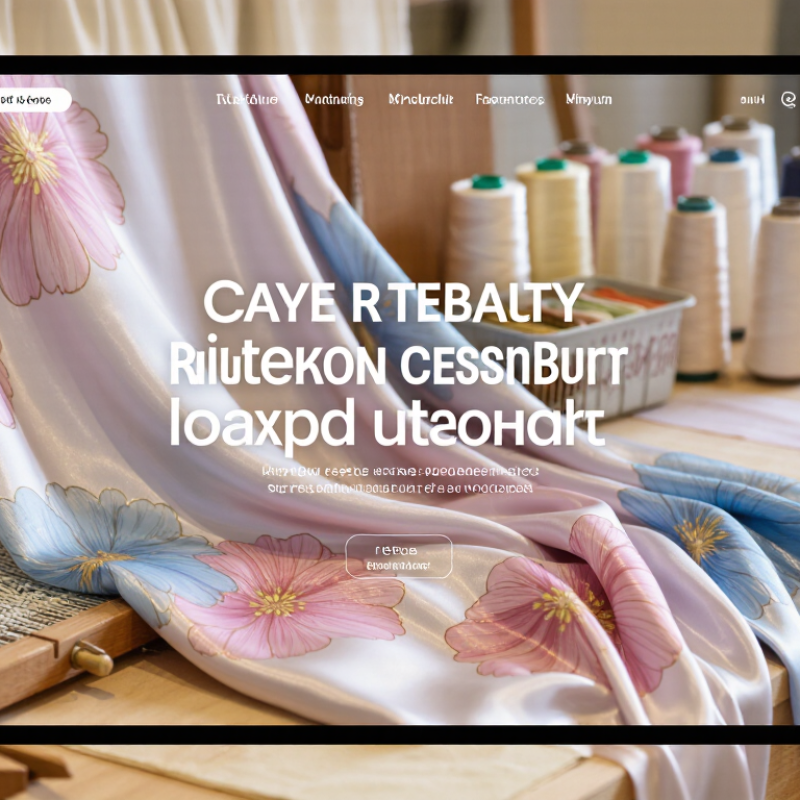
7 Best Floral Print Silk Fabric Suppliers for Global Buyers

What Defines a Reliable Floral Print Silk Fabric Supplier

What Defines a Reliable Floral Print Silk Fabric Supplier

A reliable supplier proves quality before discussing volume. Textile Exchange’s 2024 Materials Market Report estimates silk represented less than 0.2% of global fiber production in 2023. This limited supply makes traceability especially important. Buyers should request fiber-content tests, silk grade details, fabric weight, and production-lot records. A supplier who answers vaguely creates risk.

Print performance needs measurable evidence. Ask for colorfastness results under ISO 105 standards, including washing, rubbing, and light exposure. Request a 30-centimeter cutting, not only digital images. Examine the flower edges, reverse-side penetration, hand feel, and slubs under daylight. Reliable mills also disclose printing methods, shrinkage allowances, and whether repeated lots may vary. Small differences matter in silk.

Compliance documents should match the destination market. Check chemical declarations, restricted-substance testing, and clear labeling procedures. The International Trade Centre’s trade data shows that silk products move through complex cross-border supply chains, so document consistency is not optional. Production capacity should be verified through lead-time history, inspection records, and backup plans for damaged rolls. A perfect sample proves little. I have seen attractive prints fail after washing because the testing was too narrow. That uncomfortable detail deserves attention. Experienced buyers leave room for uncertainty, retest high-value orders, and record every approval in writing.

7 Best Floral Print Silk Fabric Suppliers for Global Buyers - What Defines a Reliable Floral Print Silk Fabric Supplier

Rank Anonymous Supplier Profile Recommended Silk Base Typical Fabric Weight Usable Width Floral Print Capability Indicative MOQ Sample Lead Time Bulk Lead Time Quality & Compliance Evidence Best Fit for Global Buyers Reliability Score
1 Supplier Profile 01 100% silk charmeuse 12–19 momme 110–140 cm Reactive or acid digital printing; detailed botanical artwork 50–100 m/design 7–12 days 20–35 days Colorfastness report, pre-production strike-off, lot inspection, fiber-content verification Luxury scarves, blouses, dresses, and premium private-label collections 9.3/10
2 Supplier Profile 02 Silk twill 14–18 momme 110–140 cm High-definition digital printing; repeat and panel layouts 80–150 m/design 8–14 days 25–40 days Approved-color standard, shrinkage test, rubbing test, inspection checklist, export packing control Silk scarves, accessories, resortwear, and structured fashion garments 9.1/10
3 Supplier Profile 03 Silk georgette 8–12 momme 110–135 cm Soft-tone digital florals; suitable for flowing and semi-sheer styles 50–100 m/design 7–14 days 25–40 days Weight and width tolerance record, wash-care testing, shade approval, pre-shipment inspection Occasionwear, lightweight blouses, scarves, and seasonal capsule lines 8.9/10
4 Supplier Profile 04 Silk satin 16–22 momme 140–150 cm Vivid digital printing with strong color saturation and smooth surface finish 100–200 m/design 10–15 days 30–45 days Fabric inspection report, color approval process, tensile-strength testing, packaging specification Dresses, eveningwear, premium lining, and high-volume fashion programs 8.7/10
5 Supplier Profile 05 Silk habotai 8–16 momme 110–140 cm Cost-efficient digital and rotary floral printing for repeat orders 100–300 m/design 10–16 days 30–50 days Basic colorfastness testing, GSM check, roll inspection, carton and moisture protection controls Mid-market apparel, promotional accessories, and repeat seasonal programs 8.4/10
6 Supplier Profile 06 Silk crepe de chine 12–16 momme 110–140 cm Fine-line floral printing with matte texture and controlled color depth 50–120 m/design 8–14 days 25–45 days Color continuity record, fabric-width check, seam-slippage review, production sample approval Blouses, skirts, relaxed tailoring, and understated luxury collections 8.2/10
7 Supplier Profile 07 Silk crepe satin 16–20 momme 110–140 cm Large-scale floral placement prints and small-batch custom artwork 30–80 m/design 7–14 days 25–45 days Artwork approval workflow, sample retention, roll-length verification, final inspection before shipment Independent designers, limited editions, bridalwear, and small-batch collections 8.0/10
Buyer verification note: The supplier profiles are anonymized comparison categories. MOQ, lead time, width, testing documents, and certification claims should be confirmed directly through current quotations, laboratory reports, approved samples, and pre-shipment inspections.

Profiles of Seven Leading Floral Print Silk Fabric Suppliers

The seven leading floral print silk fabric suppliers differ in strengths, production scale, and service depth.

Supplier One specializes in hand-finished mulberry silk, with soft drape and detailed botanical motifs.

Supplier Two focuses on digital printing, offering sharp colors for short fashion runs.

Supplier Three serves luxury studios with heavyweight silk satin and carefully matched color cards.

Supplier Four is known for flexible minimum orders and custom repeats. This helps emerging designers test a small collection before committing.

Supplier Five combines traditional screen printing with modern quality inspection. Its fabrics may show slight registration variation, which some buyers value as evidence of handwork.

Supplier Six provides lightweight silk chiffon for scarves, overlays, and evening garments.

Supplier Seven supports larger international orders with consistent dye lots and structured export documentation.

Still, no supplier is perfect. Sampling remains essential.

Tips:

Request a physical swatch before approving production. Check print clarity, fabric weight, shrinkage, colorfastness, and reverse-side appearance. Ask whether the quoted price includes finishing, packing, and documentation. Confirm lead times in writing, especially before seasonal launches. A useful test involves rubbing a damp white cloth over the print. Some colors can transfer. Also inspect the fabric under natural daylight, not only showroom lamps. Experienced buyers often keep a signed reference swatch beside the purchase order. This simple habit prevents costly misunderstandings.

Comparing Fabrics, Customization, Prices, and Minimum Orders

When comparing floral print silk fabric suppliers, buyers should assess fiber content, weave, weight, print method, and colorfastness together. Recent B2B quotations commonly range from USD 12 to USD 35 per meter for silk qualities, while premium mulberry silk can exceed USD 40. Prices change with silk grade, width, finishing, and order volume. Cheap fabric is not always economical.

The Textile Exchange Materials Market Report 2024 estimates global fiber production reached 124 million tonnes in 2023 and may approach 160 million tonnes by 2030. Silk represents roughly 0.2% of total output, so supply is comparatively specialized. Ask suppliers for a GSM specification, washing test, colorfastness result, and fiber-composition report. Request a 1-meter sample first. Small details matter. A floral motif may look sharp online but blur near the selvage.

Minimum orders vary widely. Stock designs often begin around 50–100 meters, while custom artwork, exclusive colorways, or rotary printing may require 300–1,000 meters. Digital printing can reduce setup costs for smaller runs, although unit prices may rise. Confirm whether sampling, strike-offs, lab testing, and shipping are included.

UN Comtrade classifications also group silk products differently, making market comparisons imperfect. That limitation deserves attention. A supplier with strong documentation may cost more, yet unclear specifications create greater production risk. Check repeat size, placement tolerance, shrinkage, and lead time before comparing final quotes.

How Global Buyers Can Evaluate Quality and Certifications

When comparing floral print silk fabric suppliers, global buyers should treat quality as measurable evidence, not attractive photography. Request a dated sample with the same print, base cloth, and finishing planned for production. Check momme weight, weave density, silk composition, and fabric width. Rub a printed area with a damp white cloth. Weak dyes may leave a visible stain. Hold the fabric near a window. Uneven slubs can be natural, but bald spots and broken threads are not acceptable. Ask for shrinkage and colorfastness results after washing or dry cleaning. Small differences matter.

Tips: Compare at least three samples under identical light. Ask for test reports from an independent laboratory, and confirm each report matches the exact fabric code. Review certifications carefully. OEKO-TEX Standard 100 may address harmful substances, while ISO 9001 concerns quality management, not fabric safety. Check certificate validity, issuing body, covered facility, and product scope. A logo alone proves little. Request production records, inspection checkpoints, and a pre-shipment report. Also confirm whether the supplier can trace yarn, dye lot, and finishing processes.

Reliable suppliers explain limitations instead of promising flawless results. Silk can show slight shade variation between dye lots, especially with complex floral colors. That should be disclosed before ordering. Buyers should define acceptable tolerances for width, weight, print alignment, and defects in writing. I would also test a small batch before committing to large volumes. This step feels slower, but it exposes problems cheaply. No evaluation is perfect; even a clean report cannot replace physical inspection.

Steps for Ordering, Sampling, Shipping, and Supplier Verification

7 Best Floral Print Silk Fabric Suppliers for Global Buyers

Ordering floral print silk requires more than choosing attractive images. Request the fiber content, silk grade, momme weight, fabric width, print method, and production lead time. Ask for a 30-by-30-centimeter sample, not only a swatch. Check color accuracy under daylight, print alignment, hand feel, seam slippage, shrinkage, and colorfastness using relevant ISO test methods. Textile Exchange’s Materials Market Report 2024 estimates global fiber production reached 124 million tonnes in 2023, making traceable material information increasingly important.

Compare the sample with the approved specification before placing a bulk order. Record acceptable tolerances for width, weight, shade, and print position. A perfect sample can still hide production variation. That is the uncomfortable part. Ask for pre-shipment photos, a packing list, commercial invoices, and independent inspection results. Verify the supplier’s registered business details, factory address, export history, testing capacity, and ability to provide origin documents. Do not rely on marketplace ratings alone.

Shipping plans should match the order’s urgency and risk. UNCTAD’s Review of Maritime Transport 2024 notes that maritime transport carries over 80% of global merchandise trade by volume, while route disruptions can extend transit times. Request two freight quotations, clarify Incoterms, and confirm carton dimensions before payment. Keep a retained reference sample. It can resolve disputes faster than long email arguments. I would still allow extra time; silk printing schedules often look cleaner on paper than in reality.

Shopping Basket