
Jelly Candy may look simple in a clear pouch: bright colors, a glossy surface, and a soft bite. For global buyers, that sample is only the beginning. Suppliers must also deliver consistent texture, dependable lead times, clear ingredient specifications, and packaging that protects the product during shipping. Small differences matter. A batch that feels too firm or arrives sticky can weaken customer trust.
Demand for confectionery gives buyers a broad supplier landscape to assess. The National Confectioners Association’s 2024 State of Treating report found that 98% of Americans enjoy chocolate and candy. That figure covers a broad category, not Jelly Candy alone, so it should not be mistaken for a segment-specific forecast. Still, it shows the scale of consumer familiarity with confectionery. For product quality, confectionery scientist Richard W. Hartel’s published work offers a relevant reminder: process control shapes repeatable results. A polished sample is not enough.
This guide compares 10 Jelly Candy suppliers for global buyers, with attention to product range, production capabilities, export experience, and quality documentation. Each company should be checked against the buyer’s own requirements; supplier claims are not a substitute for verification. Ask for current specifications, sample consistency, and realistic production timelines. Then compare the answers, not just the catalog photos. A little extra scrutiny helps. Perfect information is rare, and this list is a starting point—not a guarantee.
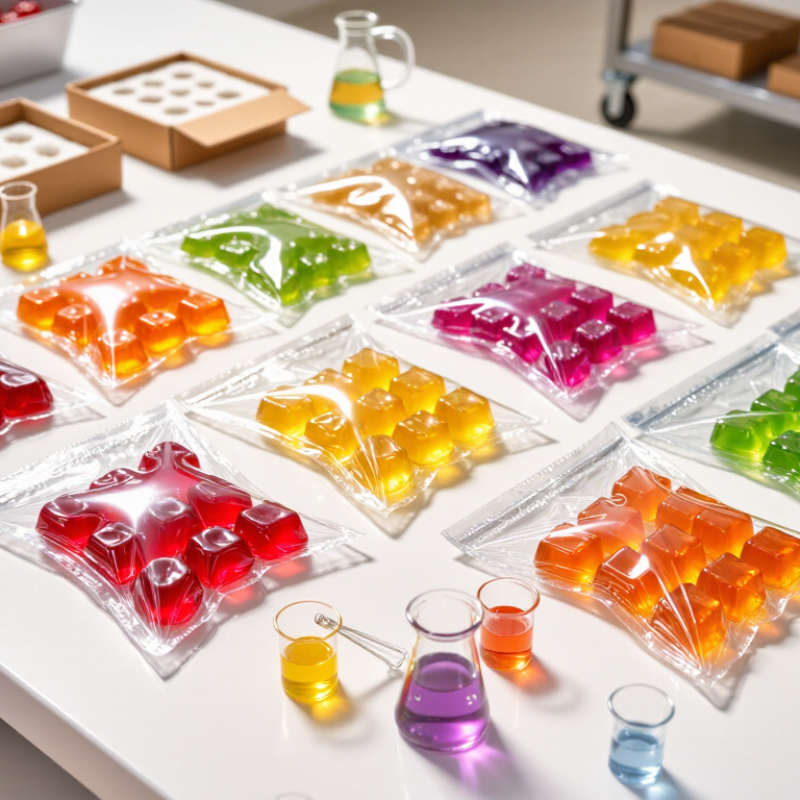
Jelly candy suppliers provide more than finished sweets. Their catalogs may include soft fruit jellies, sour-coated pieces, filled centers, and different shapes for seasonal or retail collections. Buyers can often discuss flavor, texture, color, and piece size with the supplier. Small details matter. A chewy center can feel very different from a firm one, even when both products share the same flavor name. Request samples and assess them under realistic storage conditions before approving a specification.
For global buyers, suppliers may also offer bulk cartons, retail-ready bags, customized packaging, and export coordination. Available options depend on production capacity and order volume, so confirm minimum quantities and lead times early. Ask for ingredient lists, allergen details, shelf-life information, and relevant quality records. Documentation deserves careful review. A polished sample does not prove every production batch will match it, and packaging changes can affect product protection during long transit.
Good suppliers communicate limitations as well as capabilities. Discuss acceptable variations in color, shape, and weight, then record agreed specifications in writing. Check how the supplier handles damaged cartons, delayed shipments, or quality concerns. There is no perfect checklist; buyers may still miss a detail. Clear questions, reviewed samples, and realistic delivery plans make supplier evaluation more dependable for international purchasing.

How to Evaluate Jelly Candy Suppliers
A reliable jelly candy supplier should show control beyond a glossy catalog. Ask for recent audit records, ingredient specifications, allergen controls, and batch-level certificates of analysis. WHO’s 2015 global foodborne-disease estimates attribute about 600 million illnesses and 420,000 deaths each year to unsafe food. That figure covers all foods, not jelly candy alone, but it underlines why documented hygiene and traceability matter. Ask how quickly the supplier can trace a lot from incoming gelatin, pectin, or fruit concentrate to finished cartons. Request a sample from a normal production run, not only a specially prepared sample.
Check whether texture, color, and piece weight stay consistent across repeat orders. Review shelf-life evidence under realistic heat and humidity; a chewy piece can harden or sweat during a long shipment. Confirm minimum order quantities, lead times, packaging options, and how shortages are communicated. A certificate helps, but it does not prove every production shift follows the same routine. I would also ask to see a corrective-action example, with confidential details removed. The answer can reveal more than a polished presentation.
Tips: Compare samples from at least two production lots. Photograph color and cross-sections, then note stickiness, aroma, and chew after storage. Keep the scorecard simple. One missed detail can still matter.
Ten Jelly Candy Suppliers and Their Core Strengths
The best supplier depends on the product, not a glossy catalogue. A high-volume exporter may offer steady output; a regional factory may provide shorter shipping routes. Pectin specialists suit plant-based recipes, while starch-gel producers can deliver a familiar chewy bite. Fruit-juice makers focus on flavor, sugar-free specialists manage sweetener blends, and private-label factories handle packaging and production together. Custom-mold suppliers shape distinctive pieces. Clean-label producers focus on shorter ingredient lists. Export-experienced suppliers can help organize documentation. These are useful strengths, not guarantees.
Fortune Business Insights estimated the global gummy market at USD 21.68 billion in 2023. That signals broad demand, but it does not prove every jelly segment is growing equally. Ask for recent production records, ingredient specifications, shelf-life data, and samples from the actual line. Check how the candy feels after warm transit: a glossy piece can still turn sticky in a sealed pouch. I would compare suppliers against the same brief; otherwise, price quotes are hard to judge fairly.
Tips: Request a pilot batch. Record texture, flavor, and packaging condition after storage. Ask what changes between sample and production.
| Supplier Profile | Typical Core Strength | Common Product Focus | Best Fit for Buyers Seeking | What to Verify Before Ordering |
|---|---|---|---|---|
| 1. Large-Scale Export Manufacturer | High-volume production planning and experience preparing export documentation. | Jelly beans, gummy candies, fruit-flavored jellies, and assorted packs. | Established retailers or distributors placing repeat, container-scale orders. | Production capacity, lead times, destination-market compliance, and recent audit records. |
| 2. Private-Label Specialist | Product and packaging development for a buyer’s own brand, subject to order requirements. | Branded pouches, jars, multipacks, and customized assortments. | Retailers and importers looking to launch or expand a private-label range. | Artwork process, packaging ownership, minimum order quantities, and approval-sample procedures. |
| 3. Flexible Small-Batch Producer | More adaptable trial runs and product development than many high-volume operations. | New flavors, seasonal concepts, limited editions, and smaller pack formats. | Start-ups, specialty retailers, and buyers testing demand before scaling. | Actual trial-run minimums, per-unit costs, scale-up capability, and production scheduling. |
| 4. Texture and Formulation Specialist | Product development focused on chew, softness, shape, and flavor balance. | Gummies, filled jellies, layered pieces, and shaped confectionery. | Buyers whose product concept depends on a specific texture or distinctive format. | Ingredient specifications, sample consistency, shelf-life data, and change-control practices. |
| 5. Pectin-Based Candy Producer | Experience making jelly confectionery with pectin as a gelling ingredient. | Fruit jellies and gummies with pectin-based formulations. | Buyers seeking a pectin formulation or options beyond gelatin-based products. | Full ingredient list, allergen controls, vegan suitability, and cross-contact information. |
| 6. Gelatin-Based Gummy Producer | Established capability in producing elastic, chewy gummy textures using gelatin. | Bear-shaped gummies, rings, fruit shapes, and other chewy jellies. | Buyers looking for familiar gummy formats and consistent chew characteristics. | Gelatin source, dietary and religious requirements, allergen declarations, and market labeling rules. |
| 7. Better-for-You Formulation Supplier | Potential to develop products with adjusted sugar content or alternative ingredients. | Reduced-sugar, sugar-free, or portion-controlled jelly candy concepts. | Brands exploring nutrition-positioned confectionery for specific consumer segments. | Nutrition analysis, sweetener details, permitted claims, taste samples, and target-country regulations. |
| 8. Novelty and Seasonal Confectionery Supplier | Short-run concepts, themed shapes, and packaging suited to promotional periods. | Holiday assortments, event favors, novelty shapes, and gift packs. | Seasonal retailers, promotional buyers, and gift or party channels. | Seasonal booking deadlines, mold costs, packaging lead times, and remaining shelf life at delivery. |
| 9. Food-Safety and Documentation-Focused Supplier | Structured quality processes and the ability to provide buyer-requested product documentation. | Packaged jelly candies for importers, retail programs, and food-service channels. | Buyers with formal supplier approval and traceability requirements. | Current certificates and their scope, traceability records, recall procedures, and test reports. |
| 10. Regional Distribution-Oriented Supplier | Potentially shorter replenishment routes and familiarity with nearby market requirements. | Core jelly candy ranges, mixed cartons, and distributor-ready packs. | Importers prioritizing replenishment speed or regional market experience. | Manufacturing location, stock availability, Incoterms, freight arrangements, and local compliance evidence. |
When comparing jelly candy suppliers, a glossy sample is only the starting point. Ask for written specifications covering piece weight, texture, color, flavor, and ingredient tolerances. Then compare samples against those specifications, not just against one another. A chewy center can soften during a warm shipment. Details matter.
Quality checks should be documented and repeatable. Look for batch records, ingredient traceability, allergen controls, and test results relevant to the product. Verify that certificates and facility documents are current, and confirm who issued them. A tidy document folder helps, but it does not replace a clear answer about how a production issue is handled. No scorecard captures every factory shift.
Compliance and logistics deserve equal attention. Confirm that labels, ingredient declarations, and packaging can be adapted for each destination market, with local review where needed. Ask about minimum order quantities, production lead times, pallet configuration, storage conditions, and temperature exposure in transit. Request a sample shipping plan and clarify who reports delays or damage. Small suppliers may offer flexibility; larger operations may provide steadier capacity. Neither is automatically better. I would still test communication with a specific question before committing, because slow replies can become a costly surprise.
Choosing among jelly candy suppliers starts with a clear product brief. Specify texture, shape, flavor range, color preferences, and whether the candy needs individual wrapping. Include target pack sizes and expected monthly volume. Small details matter. A sample that looks bright under showroom lights may feel too firm after a week in warm transit.
Ask suppliers to provide ingredient specifications, allergen information, shelf-life data, and batch traceability records. Review relevant food-safety documents, but check that their scope matches the actual production site and product. Request samples made to your proposed recipe or specification, not just standard catalogue items. Compare chew, stickiness, flavor consistency, and packaging seals. Keep notes. A quick tasting is not enough.
Your best fit may not be the lowest quoted price. Compare minimum order quantities, production lead times, payment terms, and shipping options against your sales plan. Ask how suppliers handle seasonal demand and production delays, then request a written quotation with freight and packaging costs shown separately. If possible, test a modest first order before committing to a large run. This adds time and expense, and it may still reveal issues only after delivery. That uncertainty deserves a place in the sourcing plan.
We are the most reliable and proficient jute goods manufacturer & supplier that helps businesses or individuals with various exportable agricultural commodities biz and jute goods by shipping them worldwide. Our right-time service ensures that whatever color and size of jute product you need, we can make it happen anytime and anywhere! Let’s keep our earth safer to live in!
Important link
Address
Bangladesh Address:
Fair Plaza (9th Floor), Plot : 3C, Section : 01, Mirpur, Dhaka:1216
UK Office:
242 Manor Road, Droylsden, Manchester, M43 6JD, United Kingdom.
Let's Talk
We are the most reliable and proficient jute goods manufacturer & supplier that helps businesses or individuals with various exportable agricultural commodities biz and jute goods by shipping them worldwide. Our right-time service ensures that whatever color and size of jute product you need, we can make it happen anytime and anywhere! Let’s keep our earth safer to live in!
Bangladesh Address:
Fair Plaza (9th Floor), Plot : 3C, Section : 01, Mirpur, Dhaka:1216
UK Office:
242 Manor Road, Droylsden, Manchester, M43 6JD, United Kingdom.