
Choosing the best Konjac Keto Diet products in 2026 takes more than spotting “zero net carbs” on a bright package. Compare the serving size, total and net carbohydrates, fiber amount, sweeteners, and other ingredients. A small pouch may look low-carb until you notice that its nutrition panel describes only half the package. Details matter.
Fiber researcher Dr. Joanne Slavin wrote in her 2013 review, “Dietary fiber is an important component of a healthy diet.” That finding supports careful attention to fiber, not an endorsement of any konjac or keto product. Read the full ingredient list, check the product’s preparation instructions, and consider whether its texture and portion size suit your everyday meals. Some konjac products need plenty of liquid. Follow the label, and ask a qualified health professional about personal concerns or dietary restrictions.
Look closely. Marketing can be louder than evidence. Compare similar products using the same serving size, and be cautious with claims that promise quick or effortless results. A simple konjac noodle pack may work better for one shopper than a heavily flavored snack; preferences, budgets, and nutrition needs differ. Even a tidy label can leave questions. How filling is one serving? Will you actually enjoy eating it next week? This guide will help you assess those practical details, separate measurable facts from broad claims, and choose a Konjac Keto Diet product with more confidence—not because the package sounds perfect, but because its ingredients and serving information fit your needs.
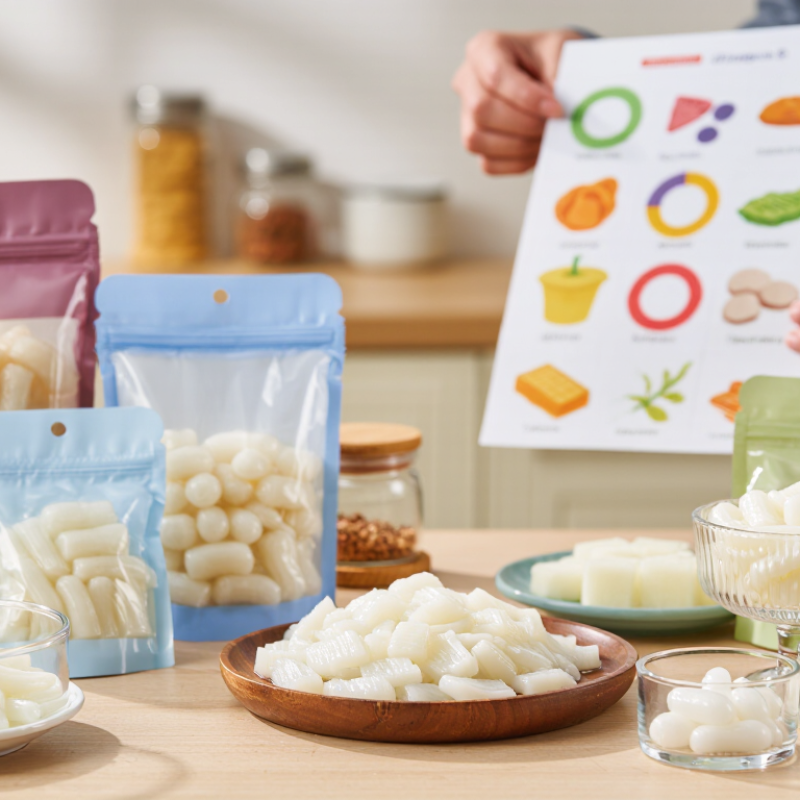
Konjac comes from the corm of Amorphophallus konjac. Its main soluble fiber, glucomannan, absorbs water and thickens into a gel. In keto foods, that fiber can add bulk while contributing little digestible carbohydrate, but the finished product matters more than the ingredient name. A noodle packet may also contain starch, seasonings, or sauce. Labels can mislead.
The European Food Safety Authority’s 2010 scientific opinion assessed glucomannan and supported a weight-management claim only under specific conditions: 3 grams daily, divided into three 1-gram doses before meals, with one to two glasses of water and an energy-restricted diet. That is not evidence that konjac itself causes ketosis or guarantees weight loss.
For keto shopping, compare total and net carbohydrates per serving, check serving size, and inspect the full ingredient list. Water matters. Glucomannan expands, so people with swallowing difficulties should seek medical advice before using it.
I would not treat every product marked “konjac” as automatically keto-friendly; recipes and labels vary, and carbohydrate-counting rules can differ.

Konjac products are not interchangeable. Shirataki noodles and konjac rice are ready-to-cook options for quick meals. Rinse them well, then dry-fry briefly to reduce their mild aroma and watery texture. They work in soups, stir-fries, or bowls with vegetables and protein. Texture matters. These products can feel springy rather than like wheat noodles, so choose them for the meal you actually want to eat.
Konjac flour is a different tool. A small amount can thicken sauces or change the texture of low-carbohydrate baking, but too much may make food gummy. Fiber supplements made with glucomannan are intended for measured use, not as a noodle substitute. Follow the package directions and take them with plenty of water; people with swallowing difficulties or those taking medication should seek professional advice before use.
Read the label. Check serving size, total carbohydrate, fiber, and preparation instructions, since nutrition figures vary by product and serving. For cooking convenience, choose noodles or rice; for recipe experiments, consider flour; for a fiber-focused product, assess supplements carefully. There is no perfect texture, and “keto” on a label does not guarantee that a product suits every meal or person. A small trial portion can reveal more than an impressive front label.
Checking Net Carbs, Ingredients, and Nutrition Labels
A low net-carb number can look reassuring, but check the serving size beside it. Some packages list nutrition for half a pouch, not the whole meal. Compare total carbohydrates, fiber, and any sugar alcohols. Net-carb calculations can vary, so do not subtract every listed carbohydrate automatically. Use the label’s serving information and your own dietary needs.
Read the ingredient list, too. Konjac, also called glucomannan, should be easy to identify. Look for added starches, sweeteners, and sauces that may raise carbohydrate or sodium levels. A pouch of noodles sitting in liquid may have separate drained and undrained weights; check which amount the nutrition panel describes. Rinsing can improve the texture, but it does not change the label’s serving basis. I still find these labels easy to misread when I’m shopping in a hurry.
Tips: Compare products per 100 grams or per actual meal portion. Check sodium if you plan to add salty broth or sauce. Keep the packaging nearby until you’ve measured a serving. Small details matter.
When comparing konjac keto products, start with the ingredient panel, not the front-label claims. Check how much konjac fiber each serving contains and whether the product lists added starches, sweeteners, or oils. A short ingredient list can be easier to assess, but it is not automatic proof of quality. Look for clear serving sizes, batch details, and independent purity testing where available. Small details matter.
For konjac noodles, inspect the seal and package instructions; an unusual odor may be normal, but damaged packaging is a reason to pass. With fiber powders, follow the mixing directions exactly and never swallow the powder dry. Konjac expands with liquid. People with swallowing difficulties should avoid it, and anyone taking medication or managing a health condition can ask a clinician or pharmacist about timing and suitability. “Keto” does not mean risk-free.
Compare value by cost per serving and the amount of fiber provided, not by pouch size alone. Check total carbohydrates and serving size, since labels may present fiber and net-carb figures differently. A low price can hide tiny portions or unclear testing. I would also consider texture and convenience: noodles that need careful rinsing may not suit a rushed weekday meal. Preferences vary, and labels cannot promise a perfect fit.
| Product Type | Quality Checks | Keto Nutrition Check | Safety and Preparation | Value Assessment | Best Use |
|---|---|---|---|---|---|
| Wet konjac noodles (shirataki) | Look for konjac flour or glucomannan in the ingredient list. Check whether the product is packed in water and whether it contains added starch, sugar, or other flours. | Check the nutrition panel for the drained serving size, total carbohydrate, and dietary fiber. Values vary by recipe and serving weight; do not assume all carbohydrates can be subtracted when estimating net carbs. | Drain and rinse as directed. Heat thoroughly and follow the package instructions. The slippery, chewy texture may not suit people who have difficulty swallowing. | Compare cost per drained serving rather than cost per package. Include any extra preparation or sauce ingredients in the comparison. | Low-carbohydrate noodle-style meals and stir-fries. |
| Wet konjac rice or rice-shaped pieces | Check the ingredient list for added rice, starch, or seasoning. Prefer a clearly stated serving size and complete nutrition information. | Use the product’s own nutrition label: rice-shaped appearance does not mean it has the nutrition profile of conventional rice, and added ingredients can change carbohydrate content. | Drain, rinse, and cook according to package directions. Check for allergens and added sodium in seasoned versions. | Compare cost per prepared serving and consider whether the product replaces a larger portion of a meal or is used as a side. | Rice-style bowls, soups, and side dishes. |
| Konjac pasta blends | Read the full ingredient list. Some blends include wheat, oat, or other starches, which affect allergen suitability and carbohydrate content. | Compare total carbohydrate and fiber per serving with the serving weight. Do not rely on front-of-pack terms such as “keto” without checking the nutrition panel. | Follow cooking instructions; texture and cooking time differ from both traditional pasta and pure konjac noodles. Check allergen statements where relevant. | Assess cost per serving alongside portion size, ingredient quality, and how well the product works in the intended recipe. | People seeking a firmer or more familiar pasta-like texture. |
| Plain glucomannan powder | Check the amount of glucomannan per serving, ingredient purity, directions, and storage instructions. A powder used as food is not automatically equivalent to a studied supplement dose. | Use the label’s serving information. Powder is typically used in small amounts as a thickener; count its listed carbohydrate and fiber rather than assuming it contributes none. | Do not swallow dry powder. Mix and use it as directed. Glucomannan expands when exposed to liquid and can pose a choking or blockage risk if taken improperly. | Compare cost per measured serving, not just package weight. A small amount may thicken food, but results depend on the recipe. | Thickening soups, sauces, and recipes when the product is intended for that use. |
| Glucomannan capsules or tablets | Check the amount per serving, directions, complete ingredient list, and quality-testing information. Avoid products with unclear serving instructions. | Check the supplement facts panel; supplement serving sizes and nutrition declarations differ from those of foods. Do not assume a product is effective for weight loss based on “keto” marketing. | Take only as directed with the amount of liquid specified on the label. Do not use without medical advice if you have swallowing difficulties or a history of intestinal narrowing. Ask a healthcare professional or pharmacist about possible interactions with oral medicines. | Compare cost per labeled serving and the amount of glucomannan per serving. Supplements are not a substitute for food or prescribed treatment. | Supplement use only when appropriate and after checking suitability with a healthcare professional. |
How to compare products: Nutrition and serving sizes vary by product, so use the current package label rather than generic calorie or carbohydrate claims. “Net carbs” is not a standardized Nutrition Facts value; a common estimate subtracts dietary fiber from total carbohydrate, but individual responses and sugar-alcohol calculations can differ. For value, divide the package price by the number of labeled servings. People with medical conditions, swallowing problems, or regular medicines should seek professional advice before using glucomannan supplements.
Choosing a konjac product starts with your routine, not its “keto” label. For quick lunches, ready-to-cook noodles or rice may be practical; powders suit recipes but need careful measuring. Check serving size, total carbohydrates, and fiber on the nutrition panel. Brands can calculate net carbs differently, so compare the numbers yourself. Texture matters more than expected.
Konjac glucomannan is a soluble fiber, not a shortcut to weight loss. EFSA’s 2010 scientific opinion linked a 3-gram daily intake to weight loss only alongside an energy-restricted diet, taken in three 1-gram doses with water before meals. That dosage is not a personal recommendation. WHO’s 2023 carbohydrate guideline recommends at least 25 grams of naturally occurring dietary fiber daily for adults; a konjac serving alone will not meet that goal. Increase fiber gradually, and consider your overall diet and health needs.
Tips: Match the format to your busiest meal. Rinse noodles, warm them in broth, and pair them with low-carb vegetables and protein. Drink enough fluid; never swallow dry konjac powder. If you have swallowing or digestive concerns, ask a qualified health professional before using concentrated glucomannan. Small detail, big difference.
Match the product’s glucomannan content and preparation requirements to your diet and routine.
The chart shows the intake pattern specified for an EU-authorized glucomannan weight-loss claim: 3 g daily, divided into three doses of at least 1 g, taken with 1–2 glasses of water before meals as part of an energy-restricted diet. Check the product label—konjac noodles and other konjac foods may not provide this amount per serving. Follow the label’s directions and take glucomannan with sufficient water.
We are the most reliable and proficient jute goods manufacturer & supplier that helps businesses or individuals with various exportable agricultural commodities biz and jute goods by shipping them worldwide. Our right-time service ensures that whatever color and size of jute product you need, we can make it happen anytime and anywhere! Let’s keep our earth safer to live in!
Important link
Address
Bangladesh Address:
Fair Plaza (9th Floor), Plot : 3C, Section : 01, Mirpur, Dhaka:1216
UK Office:
242 Manor Road, Droylsden, Manchester, M43 6JD, United Kingdom.
Let's Talk
We are the most reliable and proficient jute goods manufacturer & supplier that helps businesses or individuals with various exportable agricultural commodities biz and jute goods by shipping them worldwide. Our right-time service ensures that whatever color and size of jute product you need, we can make it happen anytime and anywhere! Let’s keep our earth safer to live in!
Bangladesh Address:
Fair Plaza (9th Floor), Plot : 3C, Section : 01, Mirpur, Dhaka:1216
UK Office:
242 Manor Road, Droylsden, Manchester, M43 6JD, United Kingdom.