Best Pe Coated Cup Buying Guide for Global Buyers?
In recent years, Pe Coated Cups have gained significant traction in the global market. This shift is largely driven by increasing consumer awareness regarding sustainability and hygiene. According to a report by ResearchAndMarkets, the global paper cup market is estimated to grow at a CAGR of 5.5% from 2021 to 2026. This growth correlates with the rising demand for PE coated cups, which offer a practical barrier against moisture and grease.
The advantages of PE coated cups cannot be overlooked. They provide a reliable option for both hot and cold beverages, appealing to various industries such as food service and retail. Yet, it’s essential to navigate the choices wisely. Not all PE coated cups are created equal. Variations in quality can lead to unsatisfactory experiences, ranging from leakage to poor insulation.
As the trend continues, potential buyers must critically assess their options. Quality certifications and material sourcing should be top considerations. By focusing on reputable suppliers and compliance with industry standards, buyers can make informed decisions that enhance brand reliability. Remember, selecting the right PE coated cup is not just about utility; it reflects your commitment to quality and environmental responsibility.
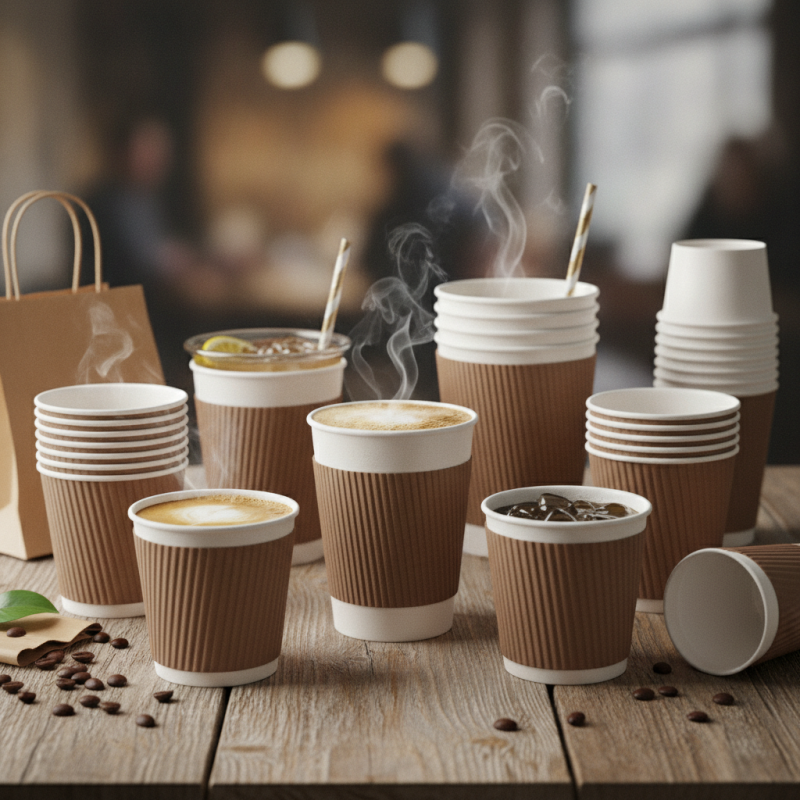
Understanding PE Coated Cups and Their Applications
PE coated cups are increasingly popular in various applications, especially in food service and packaging sectors. PE, or polyethylene, provides a moisture barrier. This feature makes these cups ideal for serving hot and cold beverages. According to industry reports, the global demand for disposable cups is expected to reach 250 billion units by 2025, highlighting the importance of materials like PE.
Most users appreciate the convenience of PE coated cups. They are lightweight and typically cost-effective, making them attractive to businesses. However, the manufacturing process can have environmental impacts. The disposal of these cups may pose challenges, as they are not always recyclable. Data from environmental studies indicate that only about 10% of disposable cups are recycled effectively. This brings attention to the potential need for better waste management systems.
In addition to environmental concerns, there are also quality variations in PE coated cups. Not all cups provide the same level of insulation or durability. Some poorly manufactured options may leak or cause spills, affecting customer satisfaction. Research suggests that investing in high-quality suppliers is crucial for businesses to ensure a reliable product. Understanding these complexities can help buyers make informed decisions when selecting PE coated cups.
Key Materials and Manufacturing Processes of PE Coated Cups
PE coated cups are essential in the food and beverage industry. Their structure includes a paperboard base coated with polyethylene, which adds durability and moisture resistance. This design enables them to hold liquids without leaking. The manufacturing process involves extrusion coating, where polyethylene is applied to the paperboard. This ensures a strong bond, enhancing the cup's functionality.
While PE coated cups offer many benefits, there are some concerns. The environmental impact of polyethylene is significant. Many buyers may overlook this factor in their urgency to choose practical options. Additionally, the efficiency of the manufacturing process can vary. Not all manufacturers adhere to the same quality standards, leading to inconsistencies in the final product.
Buyers should look for manufacturers committed to sustainability. Some companies may not fully disclose their material sourcing or processing techniques. It’s essential for buyers to ask questions and seek transparency. Understanding the production methods helps ensure you make informed choices. This approach not only supports your needs but also promotes responsible consumption.
PE Coated Cup Production Comparison
Factors to Consider When Choosing PE Coated Cups
Choosing the right PE coated cups requires careful consideration. One key factor is the thickness of the coating. A thicker layer often provides better insulation and durability. However, it may also increase the cost. Buyers must balance price with quality. Another point to ponder is the cup's design. A well-designed cup enhances user experience and can influence a buyer's choice.
Material composition is also crucial. Ensure that the cups are made from food-grade materials. This guarantees safety and reliability. Furthermore, consider the cup's capacity. Depending on the intended use, different sizes may be preferable. For instance, smaller cups suit individual servings while larger options fit group occasions.
While evaluating suppliers, transparency is essential. Check for certifications and production practices. This helps in building trust. It’s also beneficial to examine customer reviews. Feedback from past buyers provides valuable insights. Mistakes in selection can lead to disappointment. Reflecting on choices is vital for informed purchasing.
Comparative Analysis of Different PE Coated Cup Brands
When choosing the right PE coated cup, a comparative analysis is essential. Different brands offer varying thicknesses, coating materials, and cup shapes. These factors influence the cup's durability, insulation, and suitability for various beverages.
Consider the thickness of the PE coating. Thicker coatings may provide better leak resistance. However, they can also affect the cup's recyclability. Some cups are designed for hot drinks, while others work best for cold beverages. Analyzing these properties helps identify the best fit for your needs.
Tips: Always check user reviews. They often reflect real-world performance. Also, consider the environmental impact of each cup. Some brands focus on biodegradable options. This aspect can be crucial for eco-conscious consumers.
Not every cup performs perfectly under all conditions. A cup designed for hot liquids might fail in extreme temperatures. Always evaluate specific use cases to ensure optimal performance. Each brand has its strengths and weaknesses. Taking the time to analyze these details fosters a more informed purchasing decision.
Sustainability and Environmental Impact of PE Coated Cups
PE coated cups have gained popularity due to their practical design. However, the environmental impact cannot be overlooked. These cups typically contain polyethylene layers, which enhance durability and prevent leaks. But, this convenience comes with a cost to sustainability.
The production process of PE coated cups often involves significant energy consumption. Additionally, the use of non-renewable resources in manufacturing raises concerns. While these cups serve a crucial function in many industries, their disposal presents a challenge. Most PE coated cups are not recyclable. They can contribute to landfill waste and pollution.
Consumers face a dilemma. Choosing convenience might mean compromising environmental values. Emerging alternatives, like biodegradable or compostable cups, are gaining traction. Evaluating the pros and cons of each option is essential. The conversation around sustainable practices in industries is ongoing. Finding a balance between functionality and environmental responsibility is vital for the future.