
China has become a major sourcing destination for global Baseball Cap buyers. Its factories support private-label, promotional, sports, outdoor, and fashion collections. Production clusters in Zhejiang, Jiangsu, Guangdong, and Fujian offer different strengths. Some specialize in embroidery. Others focus on washed cotton, recycled polyester, or structured performance caps.
Industry reports show why this category deserves careful attention. Grand View Research’s Headwear Market Size report identifies rising sports participation, casual dressing, and online retail as major growth drivers. Research and Markets also expects continued expansion in global headwear demand, supported by customization and brand licensing. The exact figures vary between reports. That difference matters. Buyers should inspect the methodology, product scope, and regional assumptions before trusting a market forecast.
Matt Powell, a veteran sports-industry analyst, has said that consumers increasingly expect performance, comfort, and style in the same product. That expectation reaches the factory floor. A cap may look simple, but its crown shape, sweatband, visor balance, stitch density, and colorfastness require technical control. Small errors become visible under store lighting.
China’s best suppliers are not always the lowest-priced suppliers. A dependable partner should provide clear samples, measurable specifications, consistent materials, and realistic production schedules. Factory audits, lab testing, and pre-shipment inspections remain valuable. They are not perfect safeguards.
This guide examines capable China Baseball Cap suppliers for global buyers. It considers customization, minimum order quantities, quality systems, communication, packaging, and export experience. Some recommendations may still require verification. That is the honest part. Supplier performance can change with materials, staffing, and order volume.
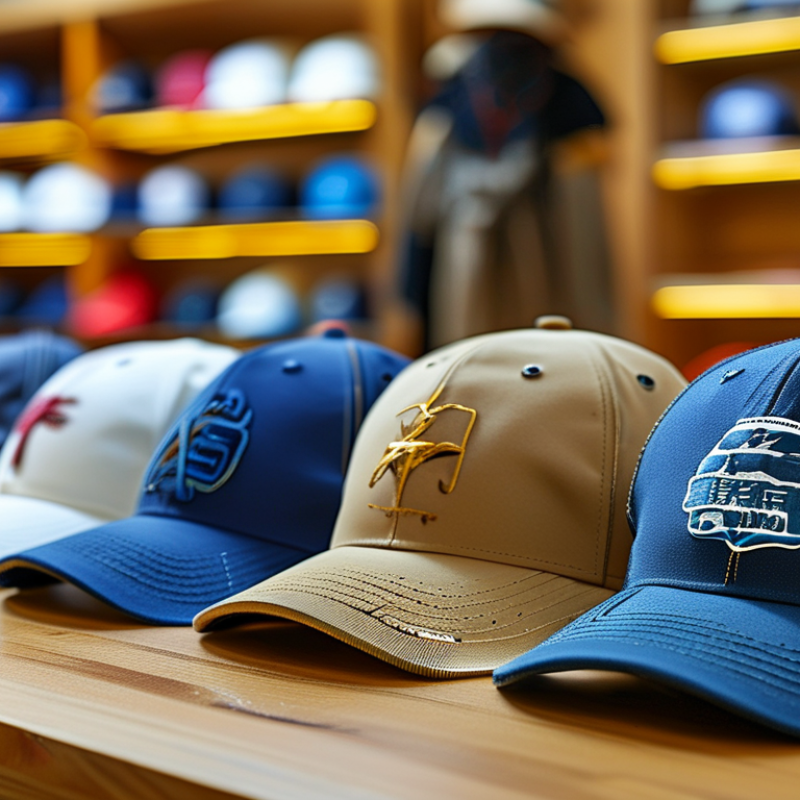
China Best Baseball Cap Suppliers for Global Buyers
Define Baseball Caps Under HS 6505: Product Types and Key Specifications
Under the World Customs Organization’s HS 2022 nomenclature, baseball caps generally fall under HS 6505. This heading covers textile headgear, whether lined or trimmed. It does not describe one exact cap style. Classification depends on construction, material, and national customs interpretation.
Common products include six-panel caps, five-panel caps, trucker caps, unstructured dad caps, and performance caps. Buyers should record crown shape, visor length, closure type, fabric composition, and lining details. A practical specification sheet also includes head circumference, panel count, seam density, embroidery area, color tolerance, and carton packing. Small details matter. A curved visor can change the final packed volume.
Textile Exchange’s Materials Market Report 2024 states that global fiber production reached about 124 million tonnes in 2023. Polyester represented roughly 57% of total output, while cotton remained important for comfort-focused headwear. This supports wider use of recycled polyester and cotton blends, but fiber claims require supplier evidence. Request test reports, fiber-content records, and production samples before confirming HS documentation. Samples can still mislead when bulk fabric changes. Buyers should verify whether trims, mesh panels, and decorative elements alter the declared product description. Customs treatment may differ between countries, so professional tariff review remains necessary.

| Product Type | Crown Construction | Common Materials | Visor Specification | Closure & Fit | Typical Weight | Key Buyer Specifications | HS 6505 Classification Note |
|---|---|---|---|---|---|---|---|
| Unstructured Baseball Cap | Soft, low-profile crown with limited reinforcement | Cotton twill, brushed cotton, polyester, cotton-polyester blends | Curved visor; usually 2–3 rows of stitching; flexible plastic or laminated insert | Adjustable metal buckle, fabric strap, or hook-and-loop closure; commonly 55–60 cm head circumference | Approximately 55–85 g | Specify fabric weight, crown height, sweatband material, ventilation method, colorfastness, and embroidery area | Usually considered headgear of textile material under HS heading 6505 when made from qualifying textile materials |
| Structured Baseball Cap | Reinforced front panels with buckram or similar stiffening | Cotton twill, polyester, nylon, performance blends | Pre-curved or semi-flat visor; commonly 2.5–3.5 mm laminated insert | Snapback, buckle strap, or hook-and-loop closure; adjustable or fitted sizing | Approximately 65–100 g | Confirm panel count, front-panel stiffness, seam taping, crown profile, closure durability, and dimensional stability | The cap structure does not by itself determine classification; material and construction should be reviewed for HS 6505 eligibility |
| Five-Panel Cap | Five-piece crown with a broad front panel and central seam arrangement | Cotton canvas, polyester, nylon, recycled polyester | Flat or moderately curved visor; lightweight molded or laminated insert | Back strap with buckle, slider, or snap closure; typically adjustable | Approximately 60–95 g | Specify seam placement, panel dimensions, front-panel reinforcement, brim angle, and print or embroidery method | Textile five-panel caps may fall under HS 6505; final treatment depends on the importing country’s tariff schedule |
| Trucker Cap | Foam or fabric front panels combined with mesh rear panels | Polyester mesh, cotton or polyester front fabric, polyurethane foam | Curved or flat visor with molded plastic or laminated board insert | Plastic snap closure; common adult adjustment range is approximately 55–60 cm | Approximately 70–110 g | Check mesh opening size, foam thickness, sweatband construction, snap strength, ventilation, and odor-control requirements | May qualify under HS 6505 when the cap is textile headgear; verify treatment where foam, plastics, or mixed materials are prominent |
| Performance Sports Cap | Lightweight structured or semi-structured crown with moisture-management features | Polyester, recycled polyester, nylon, elastane blends | Pre-curved lightweight visor; often perforated or made with flexible inserts | Elastic adjustment, buckle strap, or hook-and-loop closure; adult and youth sizes available | Approximately 45–80 g | Specify fabric GSM, UPF rating where tested, wicking performance, drying time, breathability, sweatband width, and reflective details | Synthetic textile sports caps are commonly reviewed under HS 6505, subject to national customs interpretation |
| Washed Cotton Cap | Soft unstructured or lightly structured crown with garment-washed appearance | 100% cotton twill, cotton canvas, cotton-polyester blend | Curved visor with matching washed fabric and visible topstitching | Metal buckle or fabric back strap; generally adjustable for approximately 55–60 cm | Approximately 60–95 g | Define wash effect, shrinkage tolerance, rubbing colorfastness, seam puckering limits, and shade consistency | Typically aligns with textile headgear under HS 6505 when the finished product is made-up textile headgear |
| Winter Baseball Cap | Structured or unstructured crown with thermal lining or ear-covering components | Wool blends, polyester fleece, acrylic, nylon, quilted or padded lining | Curved visor; may include a fleece-covered or insulated insert | Adjustable strap, elastic fit, or ear-flap fastening; sizing varies by market | Approximately 85–150 g | Specify insulation type, lining composition, ear coverage, seam sealing, pilling resistance, and cold-weather comfort requirements | Classification may depend on the outer material and design; confirm whether the item remains a textile cap under the importing country’s HS 6505 subheading |
Technical note: HS 6505 generally covers hats and other headgear made from knitted or crocheted material, lace, felt, or other textile materials, whether lined or trimmed. The exact eight- or ten-digit tariff code, duty rate, labeling rules, and customs treatment must be confirmed with the importing country’s current tariff authority.
China remains a major sourcing base for baseball caps classified under HS 6505. According to UN Comtrade data reviewed through ITC Trade Map, China’s 2023 exports under this heading reached approximately US$2.7 billion. Reported export volume was close to 125 million kilograms. Both figures were slightly below 2022 levels, showing softer post-pandemic demand and tighter inventory control among overseas buyers.
The United States remained the largest destination, followed by Japan, Germany, Vietnam, and the United Kingdom. These markets value China’s flexible production, established textile clusters, and ability to handle small design changes. Trade Map data indicates that exports to several Southeast Asian markets continued growing, supported by regional apparel manufacturing and distribution networks. However, destination rankings can shift by reporting method. Re-exports may also distort the real final market.
For buyers, HS 6505 statistics offer useful scale, but they do not measure baseball caps alone. The code also includes other textile headwear. This is an important limitation. A practical supplier review should compare customs data with factory audits, sample inspections, material declarations, and recent shipment records. The International Trade Centre recommends checking both value and quantity trends, since rising export value can reflect higher prices rather than stronger unit demand. China’s export performance is substantial, yet the data deserves careful reading before any purchasing forecast.
China’s HS 6505 exports include knitted, crocheted and other made-up headgear, including many baseball-cap products. In 2023, the United States was the largest destination in this selected market view, followed by Japan, Germany, the United Kingdom and the Netherlands. Export values are shown in US$ millions and represent rounded bilateral trade values.
Source: UN Comtrade international trade statistics, HS 6505, China exports, 2023; values rounded for presentation.
A supplier comparison should begin with measurable capacity, not polished catalog photos. Recent reports from Grand View Research and Fortune Business Insights forecast global headwear growth at roughly 6% annually through 2030. This growth increases pressure on factories during peak seasons. For standard cotton baseball caps, practical quotations often show MOQs from 300 to 1,000 pieces. Monthly capacity may range from 20,000 to 100,000 pieces, depending on embroidery, fabric, and production lines.
Lead time needs closer attention. A factory may quote 25 to 35 days after approval, but custom embroidery can add seven days. Sampling usually takes 5 to 10 days. Confirm whether the clock starts after deposit, artwork approval, or material confirmation. Small details matter. Ask for weekly output records, not only a monthly promise. Capacity claims can be optimistic.
AQL 2.5 should also be read correctly. ISO 2859-1 provides sampling procedures for acceptance inspections, while AQL is not a guarantee that 2.5% of goods are acceptable. It is a sampling reference for deciding shipment acceptance. Request the inspection level, sample size, critical defect rules, and major and minor defect limits in writing. For example, 1,200 caps may require a defined sample rather than full inspection. That is safer, though not perfect. Supplier comparisons become more reliable when MOQ, monthly capacity, lead time, and AQL terms appear on the same quotation.
China Best Baseball Cap Suppliers for Global Buyers
Verify REACH, CPSIA, ISO 9001, and 2024 Product-Testing Requirements
Global buyers should treat compliance evidence as a purchasing condition, not a sales extra. REACH checks can address restricted chemicals, dyes, coatings, and metal parts used in caps. Ask for recent laboratory reports matching the exact fabric, color, print, and accessories. A generic report may look convincing but prove very little.
CPSIA requirements matter when caps are marketed for children in the United States. Testing may cover lead, phthalates, flammability, tracking labels, and supporting certification records. Requirements can change with product design and intended age group. Confirm details with a qualified testing laboratory or regulatory adviser. Keep records.
ISO 9001 shows that a supplier follows a structured quality-management system. It does not automatically prove product safety or chemical compliance. Check the certificate scope, validity, issuing body, and manufacturing site. For 2024 orders, request a written testing plan covering pre-production samples, bulk production, and random inspections. The plan should identify test methods, acceptance limits, and report dates.
Practical sourcing often exposes a weak point: samples pass, but bulk materials differ. Ask suppliers to control fabric lots and retain production samples. Photos help, but they cannot replace testing. One detail is easy to miss. Packaging inks, sweatbands, buckles, and embroidered threads may require separate review. Buyers should compare every report with the final specification before approving shipment.
When comparing Chinese baseball cap suppliers, calculate landed cost instead of chasing the lowest factory quote. Include unit price, sampling, packaging, freight, insurance, duties, and local delivery. A 10,000-piece order may look inexpensive until oversized cartons increase shipping charges. Numbers reveal more.
Incoterms should match your team’s experience and control. Under FOB, the supplier handles export clearance and delivery to the named port. Under DDP, the supplier manages wider logistics, but buyers must verify the stated service scope.
Ask for a written cost breakdown, carton dimensions, production lead time, and port details. I have seen quotes change after sampling because embroidery density increased labor time. That mistake is avoidable, but not always.
Defect rates need measurable evidence. Request inspection records, pre-shipment photos, and batch-level quality reports. Check crown shape, visor alignment, stitching tension, fabric shade, and sweatband attachment.
For a 500-piece inspection, record major and minor defects separately. A supplier reporting 0% defects may sound impressive, yet unclear sampling can weaken the claim. Keep records.
Track KPIs monthly, including on-time delivery, response time, corrective-action closure, repeat defect rate, and order accuracy. Set practical targets, then review misses without hiding them. A supplier with slightly higher landed cost may perform better when rework, delays, and customer complaints are included. Yet KPI data should be tested across several shipments, not accepted after one successful order.
We are the most reliable and proficient jute goods manufacturer & supplier that helps businesses or individuals with various exportable agricultural commodities biz and jute goods by shipping them worldwide. Our right-time service ensures that whatever color and size of jute product you need, we can make it happen anytime and anywhere! Let’s keep our earth safer to live in!
Important link
Address
Bangladesh Address:
Fair Plaza (9th Floor), Plot : 3C, Section : 01, Mirpur, Dhaka:1216
UK Office:
242 Manor Road, Droylsden, Manchester, M43 6JD, United Kingdom.
Let's Talk
We are the most reliable and proficient jute goods manufacturer & supplier that helps businesses or individuals with various exportable agricultural commodities biz and jute goods by shipping them worldwide. Our right-time service ensures that whatever color and size of jute product you need, we can make it happen anytime and anywhere! Let’s keep our earth safer to live in!
Bangladesh Address:
Fair Plaza (9th Floor), Plot : 3C, Section : 01, Mirpur, Dhaka:1216
UK Office:
242 Manor Road, Droylsden, Manchester, M43 6JD, United Kingdom.