China Top Insulin Syringe Suppliers How to Order?
China’s insulin syringe market deserves careful evaluation, not rushed purchasing. The International Diabetes Federation estimates that 140.9 million adults in China lived with diabetes in 2021. That figure creates sustained demand for safe, consistent injection supplies. The IDF also projects diabetes prevalence to rise globally, increasing pressure on dependable medical-device procurement.
This article explains how to Order Insulin Syringes from qualified Chinese suppliers. It examines syringe capacity, needle gauge, barrel clarity, sterility, packaging, and quality documentation. ISO 8537 is an important reference for sterile single-use syringes designed for insulin. Buyers should also verify applicable Chinese NMPA registration information and destination-market requirements. A low quotation can hide weak traceability.
Dr. David Beran, a global diabetes-access researcher, has stated, “Insulin is not a luxury; it is a necessity.” His observation also applies to the equipment required for safe administration. Syringes are small, but their tolerances matter. A clear 1 mL barrel, readable graduations, and a secure needle connection can affect daily use. Tiny details matter.
WHO reports continue to emphasize access, affordability, and quality across diabetes care. Therefore, supplier comparisons should include factory audits, batch records, sterilization evidence, sample testing, and after-sales communication. Buyers may also need private-label packaging or multilingual cartons. That choice changes lead times and compliance work. This guide will compare leading China-based suppliers through practical procurement questions, while acknowledging an uncomfortable point: no online ranking can replace independent verification before a commercial order.
Types of Insulin Syringe Suppliers in China
China Top Insulin Syringe Suppliers: How to Order?
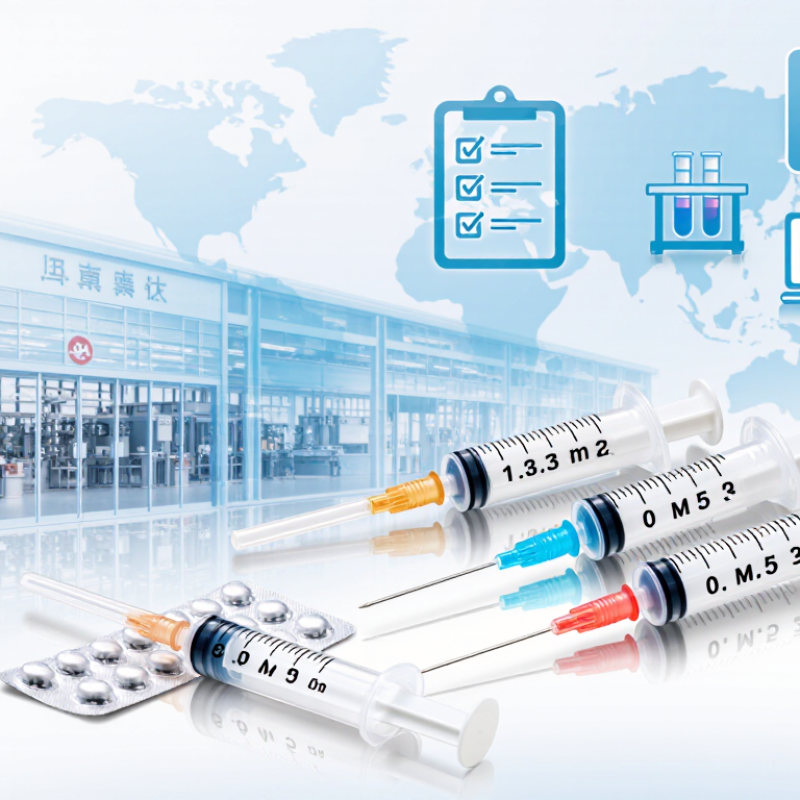
China’s insulin syringe suppliers generally fall into three groups: medical-device manufacturers, OEM/ODM factories, and export-oriented trading companies. Manufacturers usually provide stronger quality records and production traceability. OEM/ODM suppliers can adjust barrel size, needle gauge, packaging, and private labeling. Trading companies may combine products from several factories, but their technical control can be less direct. This distinction matters as diabetes demand grows. The International Diabetes Federation reported about 537 million adults with diabetes worldwide in 2021, including approximately 141 million in China. The market is large, but purchasing should remain evidence-based.
Tips: Request ISO 13485 certification, ISO 8537 compliance evidence, sterilization validation, and batch-level inspection reports. Confirm whether the supplier owns the factory. Ask for samples before discussing large quantities. Check dead-space design, needle sharpness, graduation accuracy, packaging integrity, and shelf life. These small details affect daily use.
When ordering, prepare a clear specification sheet. Include capacity, gauge, needle length, sterile method, packaging format, estimated quantity, and destination requirements. A supplier should explain its minimum order quantity and lead time in writing. Price alone is a weak filter. In one quotation review, the cheapest option omitted transport packaging and inspection fees. That mistake looked minor, but it changed the real cost. Buyers should also compare production photos, audit documents, sample results, and communication quality. A perfect-looking file is not proof of consistent manufacturing. Supplier selection still needs practical verification.
China Insulin Syringe Suppliers: Capacity Guide for Ordering
For U-100 insulin, 1 mL contains 100 insulin units. Therefore, 0.3 mL, 0.5 mL, and 1.0 mL syringes correspond to maximum capacities of approximately 30, 50, and 100 units. Select the smallest suitable barrel capacity for more precise dosing.
When ordering from China, buyers commonly work with medical-device manufacturers, OEM/ODM suppliers, or trading companies and should confirm capacity, needle gauge and length, sterility, packaging, regulatory documents, MOQ, lead time, and shipping terms before placing an order.
How to Compare Prices, Minimum Orders, and Customization
When ordering insulin syringes from China, compare the complete landed cost, not only the unit price. The IDF Diabetes Atlas, 11th edition, estimates that 589 million adults lived with diabetes in 2024. Demand is substantial, but specifications vary widely. Ask suppliers to quote identical sizes, needle gauges, materials, packaging, and sterilization methods. A lower price may exclude testing, cartons, freight, or import handling.
Minimum order quantities affect cash flow. A factory may offer a competitive price at 100,000 pieces, while a smaller buyer needs only 10,000. Request three levels: trial quantity, standard production quantity, and annual volume. Custom printing, barrel graduations, safety features, and private packaging can increase tooling and inspection costs. Confirm whether artwork approval creates a separate charge. Small details matter.
Tips: Build a comparison sheet. Record unit price, MOQ, lead time, sample cost, defect policy, and shipping terms. Request certificates and recent test reports, then verify the issuing laboratory where practical. WHO procurement guidance emphasizes documented quality systems and traceability for medical devices. Do not rely on a polished sample alone. I have seen quotations look clear until carton quantities changed the final total. Allow time for an independent pre-shipment inspection, especially when customization is involved. Pricing is only one risk.
How to Verify Samples and Confirm Product Specifications
When evaluating Chinese insulin syringe suppliers, sample verification should come before price negotiations. A product photo cannot confirm graduation accuracy, needle attachment, or sterile packaging. Request sealed samples from the same production line proposed for mass supply. Record the sample code, delivery date, and packaging condition. Keep photographs beside a ruler and calibrated measuring tool.
Small details matter.
Compare barrel volume, graduation intervals, plunger movement, needle gauge, needle length, and protective cap fit against your written specification. Ask for material declarations, batch traceability, shelf-life data, and test reports from competent laboratories. Check whether the reports match the exact model and manufacturing site. A certificate with a different reference number raises questions. Do not rely on verbal assurances alone. Practical testing also helps: draw measured water, inspect leakage, and check whether the plunger moves smoothly without sudden resistance. This is not a clinical performance test, but it can reveal manufacturing inconsistencies.
Before placing an order, approve a signed specification sheet and a controlled reference sample. Define acceptable tolerances, labeling details, carton quantities, inspection points, and procedures for nonconforming goods. Use an independent pre-shipment inspection when order volume justifies the cost. I have seen teams focus heavily on needle sharpness while overlooking carton humidity damage. That mistake is easy to repeat. Ask the supplier to confirm every revision in writing, including changes to materials, tooling, or packaging. Reliable sourcing is built through evidence, repeat checks, and a willingness to question convenient answers.
How to Place an Order and Manage Shipping Documents
China Top Insulin Syringe Suppliers: How to Order?
A reliable order starts with a written specification, not a low quotation. Confirm barrel capacity, needle gauge, needle length, sterility, packaging, and graduation accuracy. Ask for ISO 13485 certification, a certificate of analysis, and recent batch records. The World Health Organization’s Global Market Assessment of Injection Devices highlights the need for accurate demand planning and quality assurance. My practical advice is simple: order samples first. A carton can look perfect while the plunger feels uneven.
After approval, request a pro forma invoice showing quantity, unit price, Incoterms, lead time, and payment terms. The commercial invoice must match the packing list exactly. Customs may also require a bill of lading or airway bill, certificate of origin, sterilization record, declaration of conformity, and local device registration. Check every product description and tariff code before shipment. Small wording differences can delay clearance.
Shipping documents need one owner. Assign a person to compare quantities, lot numbers, and carton marks before departure. The United Nations Conference on Trade and Development reports that maritime transport carries over 80% of global merchandise trade by volume, so port delays remain realistic. Build buffer time. I once saw a shipment held because the invoice used “medical syringes,” while the registration used “insulin syringes.” It was fixable, but avoidable. Supplier communication should stay in writing, with signed revisions and scanned documents stored together.