Top China Shopper Paper Bags for Global Sourcing Needs?
The global market for Shopper Paper Bags is evolving rapidly. In 2021, the global paper bag market was valued at approximately $4.8 billion and is projected to grow significantly. This growth is driven by increasing environmental concerns and demand for sustainable packaging solutions. In this context, China stands out as a pivotal player in the production of shopper paper bags.
Chinese manufacturers deliver a diverse range of high-quality paper bags. They cater to global sourcing needs, offering customizable options for various brands. Their innovative designs and sustainable materials align with the preferences of eco-conscious consumers. However, challenges persist, such as fluctuating raw material costs and varying quality standards.
Discerning brands must navigate these complexities when sourcing. Attention to detail is crucial in selecting suppliers. The right partnerships can lead to successful market strategies. Ultimately, the choice of shopper paper bags reflects a company’s commitment to sustainability and consumer engagement.
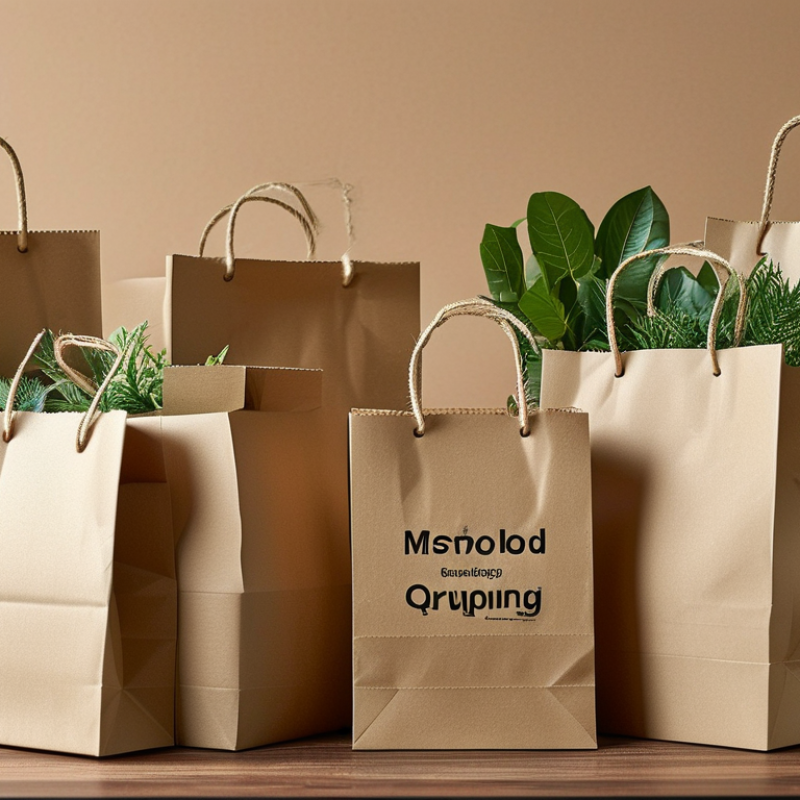
Top Trends in China’s Paper Bag Industry for Global Buyers
The paper bag industry in China has seen remarkable growth in recent years. According to a report from the China Paperboard Packaging Association, the market size is projected to reach over $15 billion by 2025. This reflects a significant shift towards sustainable packaging solutions. Many global buyers are turning to China for their sourcing needs, drawn by both price and quality.
Environmental consciousness is driving innovation in this sector. More manufacturers are utilizing recycled materials. For instance, data shows that nearly 40% of paper bags produced last year were made from recycled fibers. This aligns with growing global demand for eco-friendly products. However, challenges remain. Not all suppliers have access to high-quality recycled materials, which can affect the final product's sustainability.
Fashion retailers are also reshaping trends in the paper bag market. They often seek high-quality, customizable bags to enhance brand image. A recent study found that about 62% of consumers prefer attractive packaging. However, the trend towards customization can lead to inefficiencies. Many manufacturers struggle to balance quality with production speed, leading to longer lead times. Addressing these issues is crucial for suppliers aiming to meet global demands.
Key Features of High-Quality Paper Bags for Sourcing Needs
When sourcing paper bags, quality matters. High-quality paper bags should be durable and aesthetically pleasing. They often feature robust handles that can bear weight without tearing. This is crucial for shoppers who want a reliable carrying option. The paper used should be thick and eco-friendly, appealing to environmentally conscious consumers.
A key aspect to consider is the printing quality. Vibrant colors and sharp designs attract attention. Businesses need bags that leave a lasting impression. However, not all printing techniques deliver consistent results. Some may fade quickly or wear off easily. This imperfection can affect brand image, and should not be overlooked.
Sourcing also involves understanding local preferences. Different regions might prefer specific sizes or styles. Feedback from customers can guide improvements. Few suppliers may offer customization, limiting options. It’s essential to explore various sources and assess their reliability. Reflection on these factors can lead to better decision-making in sourcing practices.
Sustainability Practices Among Chinese Paper Bag Manufacturers
The demand for sustainable packaging is pushing Chinese paper bag manufacturers to adopt eco-friendly practices. According to a recent industry report, over 70% of global consumers now prefer brands that prioritize sustainability. This trend is evident among many Chinese manufacturers who are taking steps to minimize their environmental footprint.
Several manufacturers are shifting towards using recycled raw materials. The goal is to reduce the reliance on virgin resources. Yet, a challenge remains. Not all companies fully disclose their sourcing practices. Transparency is sometimes lacking. Around 30% of manufacturers are not open about the origins of their materials. This raises concerns about the actual sustainability of their products.
Moreover, innovations in production methods are gaining traction. Many factories are investing in cleaner technologies. However, a significant percentage still rely on outdated processes. These older methods often lead to higher emissions. Addressing these inefficiencies is crucial for the industry's future. While progress is being made, the journey toward complete sustainability is ongoing and requires collective efforts.
Top China Shopper Paper Bags for Global Sourcing Needs
Comparative Analysis: Paper Bags vs. Plastic Bags in Retail
In the retail landscape, the choice between paper bags and plastic bags has become a significant consideration. Paper bags are often viewed as a more sustainable option. They are biodegradable and can be recycled easily, promoting environmental responsibility. This resonates well with consumers who prioritize eco-friendly practices. On the other hand, plastic bags are lightweight and durable, making them a practical choice for many retailers.
Tips: When choosing bags, consider durability. Can the bag hold its weight? Also, reflect on your brand values. What message do you want to convey through packaging?
Another aspect is cost. Paper bags can be more expensive than plastic ones. It’s essential to evaluate your budget when making a decision. Quality shouldn’t be compromised for cost alone. An inferior bag can harm your brand image.
Tips: Analyze your customer base. Are they environmentally conscious? If yes, paper bags might enhance your brand loyalty. If not, practicality might win out. Always think ahead and assess future regulations on packaging as they evolve.
Top China Shopper Paper Bags for Global Sourcing Needs? - Comparative Analysis: Paper Bags vs. Plastic Bags in Retail
| Aspect | Paper Bags | Plastic Bags |
| Biodegradability | Highly biodegradable | Low biodegradability |
| Weight | Heavier | Lighter |
| Recyclability | Easily recyclable | Recyclable, but often not |
| Cost | Higher production cost | Lower production cost |
| Strength | Strong when wet | Strong and durable |
| Consumer Perception | Eco-friendly | Less eco-friendly |
Understanding Supply Chain Dynamics in China's Paper Bag Market
China's paper bag market is dynamic and complex. The supply chain involves various stages, from raw material sourcing to final delivery. Understanding this process is crucial for global buyers.
Demand for eco-friendly products drives the paper bag industry. However, not all suppliers can meet sustainability standards. Quality control issues frequently arise, requiring attentive oversight. Sourcing from China offers competitive pricing, but it comes with risks. Buyers must ensure reliability in their supply chains.
Logistics in this sector also present challenges. Timely delivery can be affected by regulatory changes or transportation delays. Global buyers need to establish strong communication with suppliers. Transparency is essential to navigate these complexities. Having a comprehensive strategy is vital for managing potential setbacks effectively.