How to Choose Vitamin Bottle Packaging in 2026?
In 2026, choosing Vitamin Bottle Packaging means balancing product protection, usability, cost, and shelf appeal. The bottle should suit the formula, not just the brand colors. Tablets, gummies, and capsules may have different packaging needs, so confirm the product’s sensitivity to light, moisture, and oxygen with a qualified supplier or packaging specialist. Small details matter. A closure that feels secure, a label that stays legible, and a bottle that pours or opens easily can improve the everyday experience. Yet no package works well for every product.
Begin by comparing materials, sizes, closures, and barrier properties against your product requirements. Ask suppliers for technical specifications and representative samples. Then assess how the bottle, cap, liner, and label perform together. Check fit, seal quality, handling, and appearance under realistic storage and shipping conditions. A sample on a desk is useful, but it cannot answer every question. Testing matters.
Sustainability deserves careful attention, too. A lighter bottle may reduce material use, but its protection and compatibility still need evaluation. Ask what recycled content is available and whether the package can be handled by recycling systems in your target markets. Claims should be specific and supported. There is no perfect bottle, and I would not pretend otherwise. The best choice is a documented, practical compromise that protects the product, fits the supply chain, and makes sense for customers. Keep supplier data and test results on file; they make future changes easier to assess.
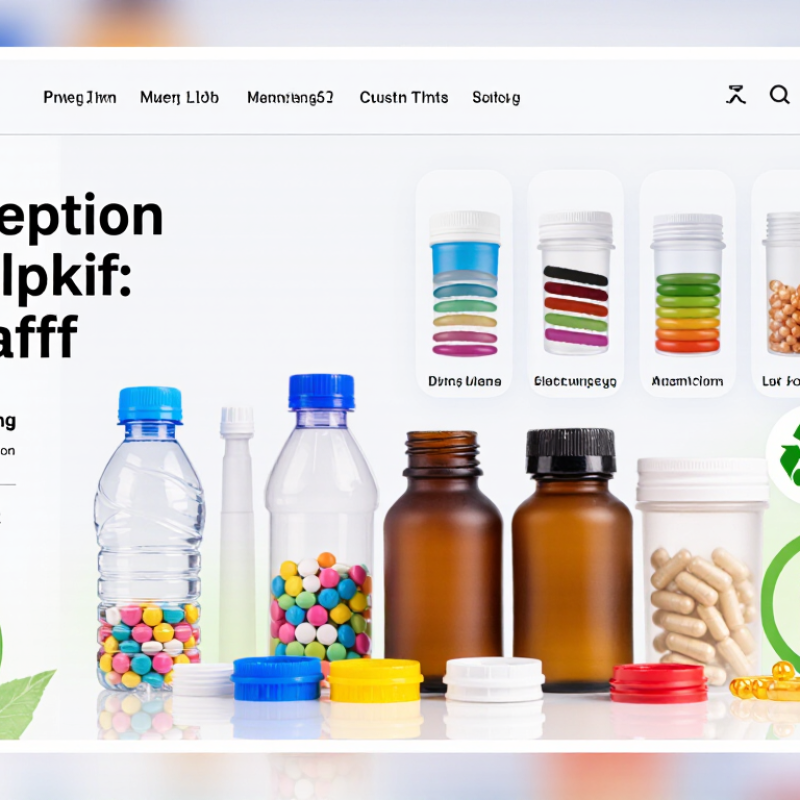
Identify the Vitamin Product’s Packaging Requirements
How to Choose Vitamin Bottle Packaging in 2026?
Identify the Vitamin Product’s Packaging Requirements
Start with the vitamin’s physical form and sensitivity. Tablets, softgels, powders, and gummies can need different protection. A hygroscopic powder, for example, may absorb moisture after repeated opening. Light-sensitive ingredients may need an opaque or amber container. Small details matter. Review product stability data and intended storage conditions before selecting a bottle.
Match the container and closure to how people will use the product. A wide opening can make scooping easier, while a narrow neck may help control tablets. Check that the cap seals consistently and is practical for the expected user. For moisture-sensitive products, assess whether an induction seal or desiccant is appropriate. Do not assume either solves every problem; confirm performance with the actual formula and package.
Consider label space, shipping, and storage early. A bottle that protects the contents may still leave too little room for clear directions, ingredient details, and a readable lot code. Test filled samples for leakage, cap fit, and damage after handling or transport. Test before scaling. It is tempting to choose packaging by appearance alone, but a glossy finish cannot compensate for a poor seal. Packaging teams should document decisions and revisit them when the formula, serving size, or distribution conditions change.
Compare Bottle Materials, Shapes, and Closure Options
How to Choose Vitamin Bottle Packaging in 2026?
Bottle material affects protection, weight, handling, and shelf appeal. PET is lightweight and clear, so labels and capsules are easy to see. HDPE is opaque and durable, which can help limit light exposure. Amber glass offers another option for light-sensitive products, but it is heavier and can break. There is no perfect material. Check that the bottle, liner, and contents are compatible under expected storage conditions.
Shape matters in daily use. A wide-mouth bottle makes larger tablets easier to retrieve, while a narrower opening may suit smaller capsules. Round bottles are familiar and easy to label; square designs can use shelf space efficiently but may feel less comfortable in the hand. Try a filled sample, not just an empty one. That matters.
Closures should match the product and the user. Screw caps are simple and widely used. A liner can support a tighter seal, while a tamper-evident band makes opening visible. Child-resistant closures may be appropriate for some products, but can be difficult for users with limited hand strength. I would not choose a cap by appearance alone. Test opening force, resealing, leakage, and label fit with the actual bottle. Even a small mismatch can become frustrating.
Evaluate Protection Against Moisture, Light, and Contamination
How to Choose Vitamin Bottle Packaging in 2026?
Evaluate Protection Against Moisture, Light, and Contamination
Moisture can soften tablets, change powder texture, or shorten shelf life. A bottle’s material and closure both matter. High-density polyethylene and polypropylene can offer useful moisture barriers, but performance depends on wall thickness, cap fit, and liner design. Check the seal after repeated opening, not only when the bottle is new. Small leaks matter. A desiccant may help, but it cannot compensate for a poor closure or unsuitable bottle.
Light-sensitive ingredients may need amber or opaque packaging. Yet color alone is not proof of protection. Ask for light-transmission data across relevant wavelengths, and consider how the bottle will sit on a bright shop shelf or beside a kitchen window. A carton can add another layer, though it may be removed soon after purchase. That detail is easy to overlook.
Contamination control starts with a clean bottle and a reliable seal. A tamper-evident band or induction seal can show whether the package was opened, while a well-fitting cap limits dust and handling exposure. Match the closure to how people actually use the product: wide openings invite fingers, but can make tablets easier to retrieve. Test the filled package under realistic heat, humidity, and shipping conditions. No package is perfect; the useful question is which risk it reduces best.
How to Choose Vitamin Bottle Packaging in 2026?
Compare common bottle materials by their relative protection against moisture, light, and external contamination.
Ratings are generalized comparative guidance on a 1–5 scale, not standardized test results. Glass provides a strong moisture barrier; opaque HDPE blocks light, while clear PET and clear glass offer little light protection. Contamination protection depends heavily on the closure, seal integrity, and handling—not the bottle material alone.
Check Labeling, Safety, Sustainability, and Regulatory Needs
How to Choose Vitamin Bottle Packaging in 2026?
A bottle is only useful if people can identify what is inside and how to use it. Choose a label that stays legible on the bottle’s curve, with clear contrast and enough room for directions, ingredients, warnings, and batch details. Check that the text remains readable under store lighting. Small details matter. Label content and required wording can vary by market, so confirm current rules before approving artwork.
Match the container and closure to the product’s needs. Light, moisture, and repeated opening can affect some formulations, but the right protection depends on the specific product. Ask suppliers for material compatibility and barrier data, then review samples under realistic storage conditions. A tamper-evident seal may support confidence, but it should not make the package awkward to open. Testing takes time. It is easy to overlook how a tight cap feels in daily use.
Sustainability needs practical checks, too. A lighter bottle may use less material, yet local recycling systems might not accept every component. Review the bottle, cap, label, and liner together, and check whether each can be sorted locally. Before production, have qualified regulatory staff review the label against the markets where the product will be sold. Keep dated proofs and recheck them if ingredients, suppliers, or package materials change. The process can feel fussy, and one review may still miss something.
Assess Costs, Suppliers, and Packaging Performance Before Choosing
Choosing vitamin bottle packaging in 2026 means weighing more than the quoted unit price. Ask suppliers for a written breakdown of the bottle, cap, liner, labeling, tooling, freight, and minimum-order costs. A low price can become expensive when cartons arrive late or damaged. Small details matter. Compare samples for bottle weight, cap fit, label adhesion, and ease of opening. Then check that the material suits your product and intended storage conditions.
Tips: Request material specifications, sample quantities, production lead times, and clear defect-handling terms. Test filled samples through realistic shipping and storage conditions before placing a large order. A supplier’s assurances help, but documented results are more useful.
Packaging performance is a balance: light and moisture protection, durability, handling, and cost may pull in different directions. Ask how the supplier controls batch consistency and communicates material or process changes. Review the full landed cost, not just the price per bottle, and leave room for freight or schedule changes. Revisit your assumptions, too; a heavier container may feel sturdier but raise shipping costs, while a lighter one may need more careful transit testing. The best choice is the one that performs reliably for your product and supply plan.