How to Choose a Reliable Konjac Noodles Supplier?
Choosing a reliable Konjac Noodles supplier requires more than comparing prices. The global konjac market continues to attract interest because glucomannan supports low-calorie, high-fiber food development. Grand View Research and Mordor Intelligence both identify rising demand for plant-based, functional, and weight-conscious foods. However, market estimates vary by research method. Treat them as direction, not absolute truth.
A dependable supplier should show the full production path. Ask where the konjac tubers are grown, how glucomannan is purified, and whether each batch has laboratory test results. Look for evidence covering moisture, viscosity, microbial safety, heavy metals, allergens, and packaging integrity. A clean sample should feel springy, not rubbery. It should have a neutral aroma after rinsing. Small details reveal weak quality control.
Professor Kazuo Nishinari, a respected food-gel scientist, has emphasized, “Texture is not a minor attribute; it is the eating quality consumers remember.” That principle matters when evaluating Konjac Noodles for retail or food service. Request samples from different production lots, then compare bite, color, cooking stability, and shelf-life performance. Also verify certifications, traceability records, production capacity, and response times. A polished website proves little. Transparent documents prove more.
My own caution is simple: low cost can hide expensive inconsistency. One shipment may look excellent, while the next cooks poorly. Therefore, supplier selection should include a written specification, pre-shipment inspection, and an agreed corrective-action process. Reliable partnerships are built through repeatable evidence, not confident promises.
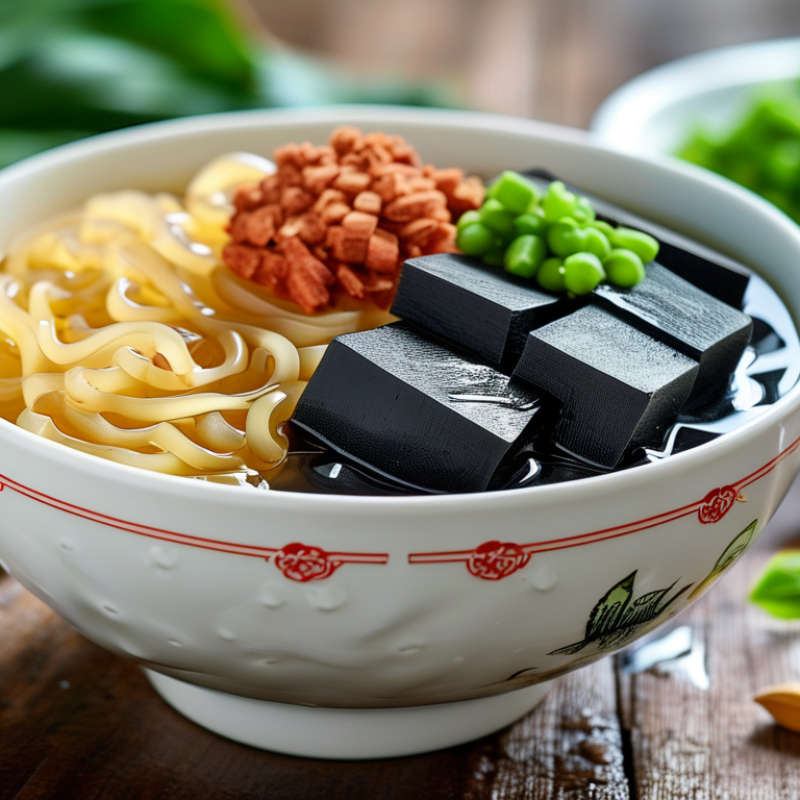
Define Your Konjac Noodle Product and Supply Requirements
Before comparing suppliers, define the exact konjac noodle you want to sell. Specify the noodle shape, diameter, color, firmness, and cooking behavior. A thin noodle may suit soups, while a wider cut may hold thicker sauces. Decide whether the product will be plain, seasoned, or blended with other permitted ingredients. State your target glucomannan content and acceptable texture range. Small differences can affect customer experience.
Your supply requirements should be equally precise. Set the pack weight, inner packaging, carton size, minimum order quantity, and preferred delivery schedule. Ask for production samples in your final package format. During practical supplier checks, I would test drainage, odor, bite, and texture after reheating. A sample can look excellent yet become fragile after five minutes in hot water. That detail is easy to miss.
Request batch-based certificates of analysis, ingredient specifications, allergen controls, and traceability records. Confirm how the supplier manages hygiene, storage temperature, shelf life, and transport conditions. Clarify whether production dates and lot codes appear on every shipment. My first product brief once focused too heavily on price. It ignored seasonal lead-time changes. That was a costly assumption. Leave room for reasonable tolerances, but do not make them vague. Suppliers should confirm each requirement in writing before commercial production begins.
Verify the Supplier’s Certifications, Facilities, and Production Standards
Choosing a reliable konjac noodles supplier starts with evidence, not attractive samples. Ask for current certifications, issuing bodies, and expiry dates. Useful systems may include HACCP, GMP, and ISO 22000. Verify that each certificate matches the actual factory address. A certificate alone is not proof.
Visit the production site when possible, or request a recent third-party audit. Check whether raw konjac flour is stored on raised pallets and protected from moisture. Observe cleaning schedules, handwashing stations, pest-control records, and equipment maintenance. The packaging area should look controlled, not improvised. Small details matter.
Production standards should cover every batch. Request documented controls for viscosity, texture, cooking time, moisture, and microbiological safety. Ask for batch codes, retention samples, and certificates of analysis from qualified laboratories. Confirm how the supplier handles complaints, recalls, and rejected goods. Traceability should connect finished noodles to specific raw materials and production dates.
A practical mistake is trusting polished documents too quickly. I would compare records with what workers actually do. If staff cannot explain a check, the procedure may exist only on paper. Ask for corrective-action reports, even when nothing seems wrong. Honest suppliers can discuss weaknesses and show how they improve them. Clear communication is part of reliability. So is consistent production.
Compare Pricing, Minimum Orders, Capacity, and Delivery Reliability
Choosing a reliable konjac noodles supplier requires more than comparing the lowest quotation. Ask for a detailed price sheet covering noodles, packaging, labeling, tooling, inspection, and freight. A low unit price may hide expensive setup fees or weak packaging. Compare the landed cost, not only the factory price. Request samples from the same production line used for regular orders. Taste, texture, odor, and package sealing can change between samples and shipment batches.
Minimum order quantity also affects risk. A smaller MOQ may suit a product test, but it can raise the unit cost. A large MOQ may create slow-moving inventory and storage pressure. Ask whether mixed flavors, sizes, or packaging formats are allowed. Confirm production capacity with monthly figures, staffing details, and recent order schedules. Capacity claims should match equipment, warehouse space, and documented output. Numbers need evidence.
Delivery reliability deserves careful checking. Ask for the average lead time, peak-season schedule, and recovery plan for delays. Review several recent shipping records when possible. A supplier that reports delays honestly may be safer than one promising perfect performance. Include inspection points before production, during packing, and before dispatch. I once treated a favorable price as proof of value; it was not. Payment terms, replacement procedures, and communication speed also matter. Keep these details in writing. Small gaps become costly later.
Evaluate Samples, Communication, Customization, and Long-Term Support
A reliable konjac noodles supplier should provide samples before discussing large orders. Cook each sample using the same water, time, and serving size. Check firmness after eight minutes, not only the texture immediately after cooking. Taste it cold. Details matter. Inspect the package seal, noodle color, odor, and liquid clarity. Ask for the production date, batch code, shelf life, ingredient specification, and storage conditions. A professional supplier should explain testing and traceability clearly.
Communication often reveals more than a polished sample. Send practical questions about minimum order quantities, lead times, carton dimensions, and shipping conditions. Measure how quickly the supplier responds and whether each answer is precise. Vague promises can create expensive delays. I once focused too much on product texture and ignored packaging details. That mistake affected transport planning. A dependable partner confirms changes in writing and identifies possible risks early.
Customization requires technical discipline. Discuss noodle thickness, cut length, packaging materials, label language, serving size, and private specifications. Request a revised sample after every important adjustment. Small changes can affect cooking performance and costs. The supplier should also provide relevant food safety documents, allergen information, and quality records for your market. Long-term support matters after the first shipment. Ask how they handle complaints, replacement decisions, forecast changes, and urgent production issues. A useful supplier keeps consistent records and assigns a responsible contact. Still, no supplier is perfect. Review performance regularly, especially after the first three deliveries.
How to Choose a Reliable Konjac Noodles Supplier
Suggested evaluation weighting for samples, communication, customization, and long-term support
Product quality and food-safety verification should receive the greatest weight because they directly affect consumer safety and repeatability. Communication, customization capability, delivery reliability, and long-term support help reduce operational risk and improve the supplier relationship over time.