How to Choose a Waste Bale Press Machine in 2026?
Choosing a waste bale press in 2026 starts with the material you handle, not the largest machine in a catalog. Cardboard, plastic film, and mixed packaging behave differently under pressure. A press that suits a busy distribution center may be poorly matched to a small workshop with limited floor space. Small details matter. Bale size, loading method, daily throughput, power supply, and access for collection all affect the decision.
The search phrase “Waste Bale Press Mac” may appear in product research, but buyers should compare complete machine specifications rather than rely on a name or headline. Ask suppliers for verified details on pressing force, cycle time, bale dimensions, safety features, installation needs, and service support. Then check those figures against your own material volumes and operating routine. A short site assessment can reveal practical issues, such as a narrow doorway or limited room to move finished bales. Easy to overlook.
This guide explains how to evaluate machine types, capacity, operating costs, maintenance, and supplier reliability. It also highlights questions worth asking before requesting a quotation, including what performance data applies to your actual materials. Published figures are useful, but real results depend on material condition, loading consistency, and operator practice. No single press fits every facility. A careful comparison can help you select equipment that meets today’s needs while leaving reasonable room for future changes.
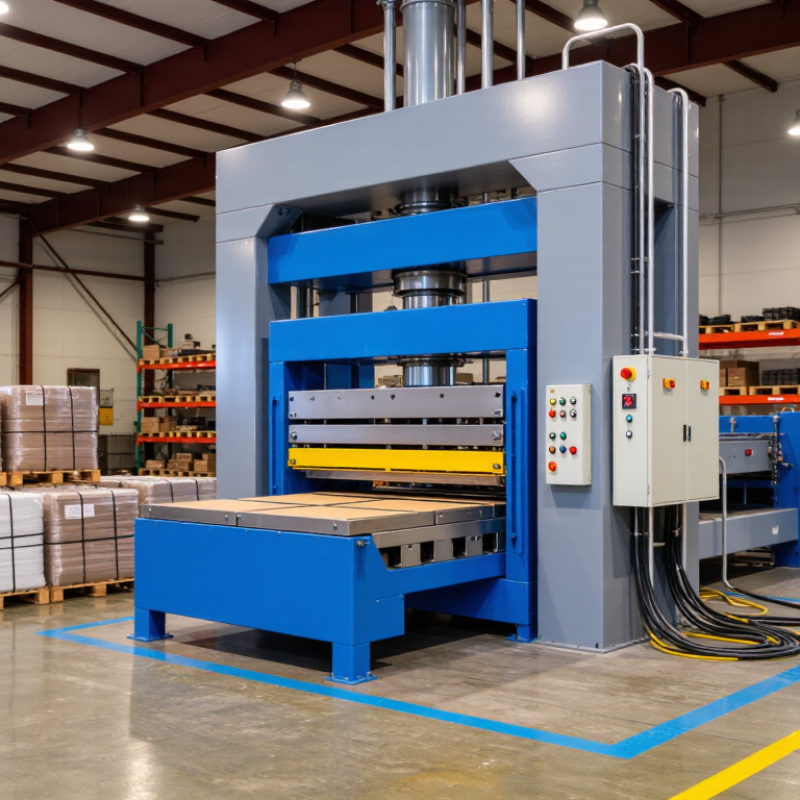
Define Your Waste Stream and Daily Processing Requirements
Before comparing bale press capacities, identify exactly what enters your facility. Cardboard, film, paper, and mixed packaging behave differently under compression. Moisture, contamination, and loose air gaps can change bale weight and consistency. Small details matter.
The U.S. EPA’s Advancing Sustainable Materials Management: 2018 Fact Sheet reported 292.4 million tons of municipal solid waste generated nationwide, or about 4.9 pounds per person daily. That figure shows the scale of material handling, not your site’s needs. Record your own incoming weights for several weeks. Separate typical days from delivery peaks, and note how much material operators actually feed per shift.
Then estimate required throughput using your measured daily volume, operating hours, and likely downtime. Check bale dimensions and weights against your storage space and collection schedule. A machine rated for an ideal material may process wet, tangled loads more slowly. I would not size from one unusually busy day; it can lead to an oversized purchase. Nor should an average hide Monday’s backlog. Compare scale tickets with operator observations, because the numbers may not tell the whole story.
How to Choose a Waste Bale Press Machine in 2026?
Define Your Waste Stream and Daily Processing Requirements
Example facility profile: daily quantities are illustrative planning figures, not an industry benchmark. Record your own material types and daily weights, then account for peak intake, moisture, contamination, operating hours, and bale density when selecting press capacity.
Match Bale Size, Density, and Output to Storage and Transport Needs
How to Choose a Waste Bale Press Machine in 2026?
Choose the bale around the journey it must make. Measure the loading bay, door height, truck limits, and available storage before selecting a press. A bale that is too large may not fit the handling equipment. One that is too small can waste storage and transport space. Fit the dock. Also check whether staff can safely turn and stack bales. U.S. EPA’s 2018 Advancing Sustainable Materials Management report recorded 67.4 million tons of paper and paperboard generated, with 46.0 million tons recycled. That scale makes efficient material handling important, but it does not mean every site needs the same bale.
Density matters as much as dimensions. Higher-density bales can reduce voids in a storage area and improve payload use, but only if the material feeds consistently and the bale stays intact during handling. Ask suppliers for tested bale weights and dimensions using your actual cardboard, paper, or mixed packaging. Then compare those figures with your hauler’s loading method and vehicle capacity. A specification sheet can look convincing. Real material may behave differently.
Match press output to the amount of waste produced per shift, not just the machine’s advertised maximum. Record daily volume and peak periods, then account for staff time spent feeding and tying bales. If output regularly exceeds pickup frequency, storage may become the bottleneck. If the press sits idle, you may have bought capacity you do not need. Leave room for some uncertainty; waste streams change, and estimates are rarely perfect.
Compare Press Types, Capacity, and Automation Features
Choosing a waste bale press in 2026 starts with the material, not the machine’s advertised maximum. The World Bank’s What a Waste 2.0 report estimated global waste at 2.01 billion tonnes in 2016, with 3.40 billion projected by 2050. That growth makes reliable handling important, but local waste streams differ. Small loads matter. Record daily volume, peak shifts, and the mix of cardboard, film, or rigid packaging before comparing models.
Vertical presses suit smaller sites with limited floor space and intermittent loads. Horizontal presses handle larger, steadier flows and can integrate with conveyors. Compare rated capacity with your actual material and bale density; loose cardboard behaves differently from stretch film. The US EPA reported 292.4 million tons of municipal solid waste in 2018, including 69 million tons recycled. Those figures show the scale of recovery, not the throughput any single facility needs. Test real material.
Automation can reduce manual loading and tying, but it adds maintenance and setup needs. Check for guarded feed openings, clear fault alerts, bale-full sensors, and controls operators can use without guesswork. A conveyor or automatic tying system may help during busy shifts, yet it can be unnecessary for low volumes. There is no perfect sizing formula. Run a trial with your own material, measure cycle time and bale weight, then compare those results with the supplier’s stated capacity. EPA, Advancing Sustainable Materials Management: Facts and Figures 2018; World Bank, What a Waste 2.0.
Check Installation Space, Power, Safety, and Maintenance Requirements
Choosing a waste bale press starts with the room it must occupy, not just its rated force. Measure the floor footprint, ceiling height, door openings, and turning space for delivery equipment. Allow clearance for loading, bale removal, and service access. Hoses and guards can make a machine block a walkway, even when the floor plan looks clear. Check floor capacity and levelness with the supplier or a qualified site engineer. Measure twice.
Verify voltage, phase, amperage, and circuit capacity against the machine specifications. Ask about startup current and cable routing; a nearby outlet may not support repeated motor starts. Keep electrical panels accessible, and protect cables from forklifts and wet cleaning. If site power is limited, discuss suitable options before delivery. Small mismatch, costly delay.
Check that guards, interlocks, and emergency stops are included in the proposed setup. Operators also need clear procedures for jams and safe bale removal. Maintenance may involve oil checks, filter changes, lubrication, and inspection of wear parts. Confirm service intervals and access requirements before installation. Keep a simple record of faults and repairs. Spare parts planning is easy to postpone on a busy shift. That can change quickly when the press stops.
Evaluate Total Ownership Costs and Supplier Support
How to Choose a Waste Bale Press Machine in 2026?
Evaluate Total Ownership Costs and Supplier Support
A low purchase price can hide expensive upkeep. Compare energy use, routine servicing, wear parts, installation, and expected downtime over the machine’s working life. The U.S. Energy Information Administration’s Electric Power Annual reports an average U.S. industrial electricity price of about 7.74 cents per kilowatt-hour in 2023. Your local tariff may differ, and peak-demand charges can change the calculation. The U.S. EPA’s 2018 materials-management report also recorded 292.4 million tons of municipal solid waste generated, underscoring the scale of material handling needs. It does not, however, predict your site’s bale volume.
Ask suppliers for written service response times, parts availability, operator training, and warranty exclusions. Request references from facilities handling similar materials. A five-year cost sheet should include estimated service hours and the cost of a missed production shift. A tidy spreadsheet can still miss the awkward realities: access for a service technician, or a part delayed over a weekend.
Tips: Record actual power use and stoppages during a trial. Check the nearest service coverage before signing. Small details matter. Revisit your assumptions after the first year; waste mix and staffing rarely stay perfectly steady.
How to Choose a Waste Bale Press Machine in 2026? - Evaluate Total Ownership Costs and Supplier Support
Illustrative 10-year cost comparison for common waste-baler configurations (USD) | Configuration | Typical purchase price | Installation and commissioning | Annual direct labor | Annual electricity | Annual planned maintenance | Typical service life | Illustrative 10-year TCO |
Vertical baler
Manual or semi-manual loading and bale handling; suited to lower-volume sites. | $8,000–$20,000 | $1,000–$3,000 | $9,400–$18,800
1.5–3.0 operator hours per operating day | $800–$2,000 | $500–$1,500 | 8–15 years | $116,000–$246,000 |
Horizontal, semi-automatic baler
Typically uses automatic compression and manual bale tying or discharge. | $30,000–$90,000 | $5,000–$15,000 | $6,300–$12,500
1.0–2.0 operator hours per operating day | $2,000–$6,000 | $1,500–$4,000 | 10–15 years | $133,000–$330,000 |
Horizontal, fully automatic baler
Automated tying and discharge; generally intended for higher, more continuous throughput. | $120,000–$350,000 | $20,000–$70,000 | $1,600–$4,700
0.25–0.75 operator hours per operating day | $8,000–$25,000 | $5,000–$15,000 | 10–20 years | $286,000–$867,000 |
Planning assumptions: The figures are broad budgeting estimates, not supplier quotations. TCO is calculated as purchase price + installation + 10 years of estimated labor, electricity, and planned maintenance. Labor assumes $25 per hour and 250 operating days per year; electricity assumes $0.12 per kWh. Actual costs depend on material, throughput, duty cycle, site conditions, local rates, and machine specification. Estimates exclude financing, taxes, bale wire or strapping, material handling outside the baler, unplanned downtime, and resale value.
Supplier Support Checks Before Purchase
| Evaluation area | What to verify | Why it affects ownership cost |
| Warranty terms | Confirm coverage period and exclusions for the frame, hydraulic system, electrical controls, and wear parts. Check who pays labor and travel costs. | Clear coverage helps estimate repair exposure and avoid unexpected service charges. |
| Spare-parts availability | Ask which critical parts are stocked locally or regionally, typical dispatch times, and whether parts will remain available throughout the expected service life. | Long parts delays can increase downtime and interrupt material processing. |
| Service response | Request written service hours, remote-support availability, escalation contacts, and target response times for urgent faults. | Defined support arrangements make downtime risk easier to assess. |
| Installation and training | Clarify site-preparation requirements, commissioning scope, operator and maintenance training, and the cost of additional visits. | Proper commissioning and training can reduce avoidable operating and maintenance problems. |
| References and application fit | Request references from sites handling similar materials and throughput. Confirm the proposed machine is rated for the planned duty cycle. | Comparable operating experience helps validate suitability, output expectations, and support quality. |
| Service documentation | Check that the supplier provides operating and maintenance manuals, safety instructions, parts lists, and a recommended preventive-maintenance schedule. | Accessible documentation supports safe operation and more predictable routine maintenance. |