How to Choose Custom Embroidered Name Tags in 2026?
Choosing Custom Embroidered Name Tags in 2026 is a small decision with a visible impact. A name tag sits close to the customer, often under bright lights and near busy counters. Thread color, lettering, backing, and size all affect how clearly a name reads. A design that looks polished on a screen may become crowded when stitched at two inches wide. Details matter.
Textile designer William Morris offered a useful principle: “Have nothing in your houses that you do not know to be useful, or believe to be beautiful.” Morris was not a name-tag manufacturer, but his attention to textiles and function applies here. A tag should identify its wearer quickly and suit the uniform, not merely display a logo. That is the standard this guide will use.
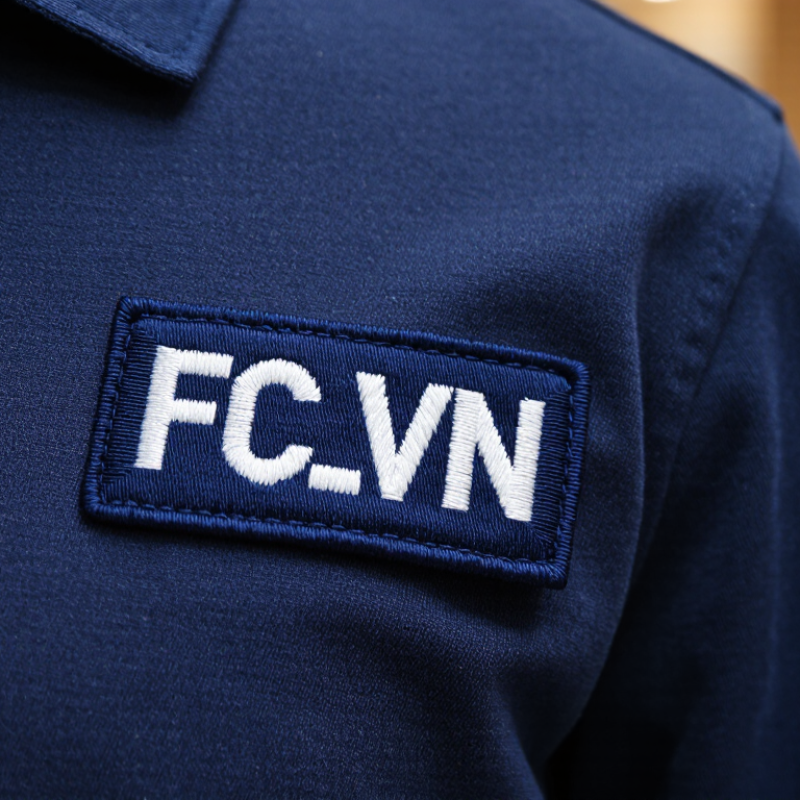
We’ll look at fabric choices, embroidery density, font legibility, attachment methods, and ordering samples. A dark navy tag with white thread can read sharply, while tiny script may blur into a dense stitch field. Ask suppliers for close-up photos and a sewn sample, not just a digital mockup. Check how the tag feels against a collar and whether its edges curl after wear. No choice is perfect. A durable backing may feel stiff; a softer one may shift on lightweight fabric. The right option depends on who wears it, where they work, and how often the tags are washed. This guide helps you compare those trade-offs before placing a bulk order.
Define the Name Tag’s Purpose and Wearing Conditions
Before choosing a design, decide what the name tag must do. A hotel receptionist may need a polished, readable tag for daily guest interactions. A warehouse team member may need one that stays secure through bending, lifting, and repeated movement. Different jobs call for different shapes, attachment methods, and levels of detail. Keep the name easy to read at arm’s length. Small script can look elegant on a screen but become difficult to recognize on fabric. That trade-off is easy to miss.
Then consider the actual wearing conditions. Will the tag sit on a lightweight blouse, a thick work jacket, or a uniform washed several times a week? A pin may pull delicate fabric, while a clip can shift during active work. For frequent laundering, ask how the backing and embroidery are expected to hold up, and test a sample if possible. Check whether the thread contrasts clearly with the background under indoor lighting. A detail I would not overlook: the tag’s edge should not rub against the wearer’s neck or collar. Comfort matters. It can be tempting to fit a title, logo, and full name into one small area, but crowded stitching often reduces readability. Leave some space.
Choose the Tag Shape, Size, and Attachment Method
A custom embroidered name tag should fit the garment, not just look good on a screen. Rounded rectangles feel approachable and leave room for a name and role. Narrow strips suit shirt pockets, while shield or circle shapes can make a uniform feel more distinctive. Keep the lettering readable at arm’s length. Dense stitching can make small text look crowded.
Size depends on placement and how much information you need. A tag around three inches wide may suit a jacket chest, but measure the actual space before ordering. Check that the border will not cover a pocket seam or fold when the wearer moves. Small details matter. A sample can reveal awkward spacing that a digital preview misses.
Tips: Choose sew-on backing for frequent washing and a lasting fit. Hook-and-loop backing allows easy removal or reassignment. Iron-on options need a heat-safe fabric, so check the garment care label first. Test the fit. Adhesive backing may lift over time or leave residue, especially on textured fabric. I would not assume one attachment works for every uniform; ask about wear and laundering before deciding.
How to Choose Custom Embroidered Name Tags in 2026
Compare example tag dimensions to find a size that fits the name and uniform. These are example formats, not market-share data; confirm available dimensions with your supplier.
Selection tip: A rectangle suits most longer names, while rounded corners can soften the look. Choose a sew-on backing for a permanent attachment, hook-and-loop for removability, or a pin when you need to move the tag between garments.
Select Fabric, Thread Colors, and Embroidery Style
For custom embroidered name tags, start with the fabric you will actually wear. A sturdy twill usually holds its shape and gives stitches a clean surface. Lightweight shirts may need a softer backing so the tag does not feel stiff. Match the fabric’s texture and weight to the garment, not just its color. Check how it looks after washing, too. Small details matter.
Choose thread colors for contrast at a glance. Dark navy lettering on black fabric may disappear under indoor lighting, even if the colors look distinct on a screen. A pale border can help separate the tag from a patterned uniform. Keep the name easy to read before adding decorative colors. If possible, review a stitched sample under the lighting where people will see it. Test it first.
Embroidery style affects both legibility and feel. Satin stitching can make short names appear smooth and defined, while dense fills suit larger shapes or simple symbols. Very small letters may close up when stitched, so ask the maker about the minimum readable size. Consider placement, too: a thick design near a collar can rub against the neck. I would not assume the most elaborate option is best; a simpler layout can look clearer, though it may feel less distinctive. Read care instructions before ordering, since heat and washing can affect different fabrics and threads.
Prepare Names, Fonts, and Layout for Easy Reading
Readable name tags begin with accurate names. Collect each spelling, capitalization, and accent mark before approving the design. A single misplaced letter can make a carefully stitched tag feel careless. Keep a verified name list beside the artwork. Small step. Big difference.
Choose a font that stays clear when reduced to the finished tag size. Simple letterforms usually hold their shape better than thin scripts or tightly joined characters. Ask for a sample using the longest name, not just a short one. Check whether narrow letters blur together and whether the thread color stands out against the fabric. Dark thread on dark cloth may look elegant, but it can be hard to read across a counter.
Plan the layout around real viewing distance. Leave breathing room at the edges, and avoid squeezing long names into tiny lettering. A second line can help, though it may make the tag feel crowded. There is no perfect layout for every name. Review a stitched proof under ordinary indoor light, then adjust spacing or contrast if needed. Screen previews can be misleading; that part is easy to overlook.
Compare Samples, Durability, Suppliers, and Total Cost
Choosing custom embroidered name tags in 2026 starts with a physical sample, not a polished screen preview. Check letter height, thread density, edge stitching, and how the backing feels against a shirt. Ask the supplier to embroider a long surname and small lettering; these reveal crowding quickly. A digital mockup can look clean while tiny letters close up in thread. That gap matters.
If tags will be worn daily, test a sample through several wash cycles, following the supplier’s care guidance. Look for fraying, puckering, fading, and backing that curls. Ask suppliers about thread and backing options, production time, reorder consistency, and replacement terms. Then compare total cost, including setup fees, sample charges, shipping, and likely reorder quantities. A low quote can become expensive when minimums or extra fees are added.
Tips: Request two stitch sizes and a sample on similar fabric. Keep the name readable at arm’s length. Get every fee in writing. Colors can shift between screens and thread, so approve the actual sample when shade matters. There is no perfect choice: tougher backing may feel stiff, while softer options may wear faster. Decide which trade-off your team can live with.