How to Choose No Residue Void Label Materials for Your Needs?
Choosing the right label materials is crucial for many applications. "No Residue Void Label Materials" have gained attention for their unique properties. These materials offer a clean application without leaving adhesive residue. This is important in settings like retail, manufacturing, and logistics.
When selecting labels, consider the environment. Conditions such as humidity and temperature impact the performance of labels. Assess the specific requirements of your project. Whether you need a temporary solution or a more permanent option, understanding your needs is key.
However, not all no residue labels are the same. Some may not adhere well under certain conditions. Research and testing are essential to avoid dissatisfaction. Users often report mixed experiences. Evaluating various products can help ensure a reliable choice. A precise fit for your needs will enhance effectiveness and minimize issues later on.
Understanding No Residue Void Labels and Their Applications
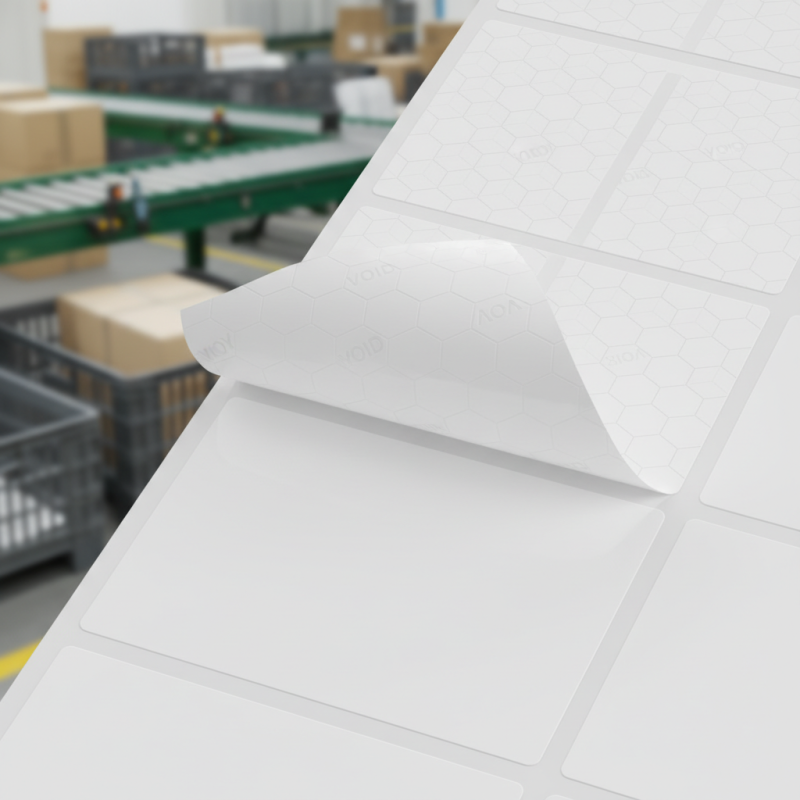
No residue void labels are designed to leave no sticky remains when removed. They are essential for various applications, including labeling products and packaging. These labels ensure a clean surface after removal, making them popular in industries that prioritize aesthetics and cleanliness.
Understanding the specific needs of your application is crucial when selecting these labels. For instance, consider the surface they will adhere to. Some materials work better on rough surfaces, while others excel on smooth ones. Additionally, consider the environmental factors, such as temperature and humidity. Extreme conditions can affect adhesion and removal.
Despite their advantages, challenges can arise. Users might encounter issues with durability or adhesion. Testing labels on actual surfaces before large-scale use can reveal potential flaws. Gathering feedback from end-users is vital for ongoing improvement. Paying attention to these details ensures that you maximize the benefits of no residue void labels in your projects.
Key Factors to Consider When Selecting Label Materials
When selecting no residue void label materials, several key factors play a crucial role. First, consider the surface you'll apply the labels to. Different materials adhere differently. A smooth surface may require specific adhesives to ensure effective bonding without leaving residue when removed. Rough surfaces might need stronger adhesives to avoid peeling.
Next, evaluate environmental conditions. Will these labels face moisture, heat, or UV exposure? Each of these factors can affect the label's longevity and adherence. It's vital to choose materials that withstand these conditions while maintaining their integrity.
Cost is an essential consideration too. While high-quality materials often come at a premium, investing in proper labels can save money in the long run. Low-quality choices may lead to label failure, requiring more frequent replacements. Remember, balance quality with budget constraints to find optimal solutions that meet your needs effectively.
Advantages of No Residue Void Labels Over Traditional Labels
When evaluating label materials, no residue void labels stand out for various reasons. Unlike traditional labels, these leave no adhesive residue on surfaces, making them ideal for sensitive applications. According to a report by Labels & Labeling, businesses can save up to 30% on cleaning and maintenance costs when switching to no residue labels. This reduction is particularly significant in industries where cleanliness is paramount, such as healthcare and electronics.
No residue void labels offer excellent thermal resistance. They perform well even at high temperatures, maintaining adhesion without causing damage. This quality is supported by industry findings that indicate a 25% increase in durability compared to standard labels. Companies often report enhanced customer satisfaction with cleaner surfaces and a more professional appearance.
Tip: Always test labels on various surfaces before large-scale implementation.
Moreover, these labels are recyclable, aligning with sustainability efforts. As consumers increasingly favor eco-friendly products, using void labels can enhance a brand's reputation. Be aware, though, that while no residue labels have many advantages, they may not be suitable for all applications. Always assess your specific needs before making a switch.
Tip: Keep an eye on market trends regarding label materials to stay ahead.
Testing and Certification Standards for Void Label Materials
When choosing void label materials, adherence to testing and certification standards is crucial. Void labels typically undergo rigorous evaluation to ensure they meet specific industry benchmarks. The American National Standards Institute (ANSI) and the International Organization for Standardization (ISO) offer relevant standards that help assess the performance of these materials. Reports indicate that over 75% of manufacturers prioritize labels that comply with established testing protocols.
Labels should resist tampering and ensure package integrity. Testing often involves evaluating adhesion types, durability, and chemical resistance. A study from the Label Manufacturers Association found that materials meeting these standards demonstrate a 30% higher success rate in preventing unauthorized access. It’s essential to consider the certifications that ensure these labels are safe and effective for package security.
Additionally, not all materials perform equally under various conditions. Some may fail in high temperatures or humidity. A failure to address environmental factors can result in costly product losses. Awareness of such vulnerabilities can guide better choices. Think about how each material will perform in its intended environment to avoid potential setbacks. Selecting the right void label material means understanding both its strengths and limitations.
How to Choose No Residue Void Label Materials for Your Needs? - Testing and Certification Standards for Void Label Materials
| Material Type | Adhesive Type | Temperature Resistance (°C) | Humidity Resistance | Width (mm) | Length (m) | Certifications |
| Paper Void Labels | Acrylic | -10 to +80 | Yes | 50 | 100 | ISO 9001 |
| Plastic Void Labels | Hot Melt | -20 to +100 | Yes | 75 | 150 | REACH |
| Vinyl Void Labels | Solvent-Based | -30 to +90 | Yes | 100 | 250 | UL Certification |
| Polyester Void Labels | Rubber | -10 to +120 | No | 50 | 200 | FDA Approved |
Tips for Optimal Usage and Storage of No Residue Void Labels
When utilizing no residue void labels, proper storage is essential. Store them in a cool, dry place. High humidity can compromise their adhesive qualities. Avoid direct sunlight, as it may cause the labels to degrade. Organizing labels in a way that prevents curling or bending is also crucial.
Optimizing usage involves understanding the surface you apply them to. Ensure the surface is clean and free of dust or grease. Testing a small area before full application can prevent issues. In some cases, the adhesive may not perform well with certain materials. Don't rush this process; patience can save you time and resources.
Remember, not all labels are perfect for every situation. It's important to assess your specific needs. Be prepared to adjust your choices based on your experience. Even industry professionals may find varying results. Being open to feedback and willing to experiment can lead to better outcomes.
Optimal Usage and Storage of No Residue Void Labels