
• Home
  • About
    • jute Bag

      Eco-Chic and Durable – Perfect for Sustainable Living.

      Cashew Nut Bag

      Sustainable jute bag for lasting cashew nut freshness

      Cocoa Bag

      Eco-friendly jute bag for rich cocoa flavor preservation

      Coffee Bag

      Elegant, durable jute bag to keep coffee beans fresh and eco-friendly

      Hazel Nut Bag

      Eco-conscious jute bag for hazelnut freshness and quality

      Shea Nut Bag

      Durable jute bag for fresh, organic shea nuts

      Tote Bag

      Stylish, eco-friendly jute tote for daily essentials

      Wheat Bag

      Sustainable jute bag for optimal wheat freshness

    • Jute Yarn

      Eco-Chic and Durable – Perfect for Sustainable Living.

      Jute Rope

      Sustainable jute bag for lasting cashew nut freshness

      Jute Fabrics

      Eco-friendly jute bag for rich cocoa flavor preservation

      Hessian cloth

      Sustainable Hessian cloth suppliers

  • Products
  • Export Country
  • Blog

How to Choose the Best Moisturizing Dish Soap?

A sink full of plates can turn a quick cleanup into ten minutes of hot water, greasy pans, and repeated rinsing. The dish soap matters, especially when frequent washing leaves hands feeling tight or dry. Moisturizing Dish Soap is designed to clean while offering a gentler-feeling wash, but the word “moisturizing” alone does not guarantee comfort. Formulas differ. So do hands.

Choosing well starts with the label and the task. Look for clear ingredient information, directions for use, and details about fragrance or added conditioners. Consider what you wash most: oily cookware may need stronger grease-cutting action, while everyday cups and dishes may call for a mild, easy-rinsing formula. A pleasing scent is a bonus for some people. For others, it can be irritating. Small detail, big difference.

Pay attention to how the soap performs at your sink. Does a small amount lift residue? Does it rinse away without leaving a slippery film? After washing, do your hands feel comfortable—or unusually dry? These observations are useful, though they are not a substitute for professional advice if you have persistent skin concerns. Even a well-reviewed product may not suit everyone. That part is easy to forget. This guide explains which features to compare, how to balance cleaning power with skin comfort, and what claims deserve a closer look before you buy.
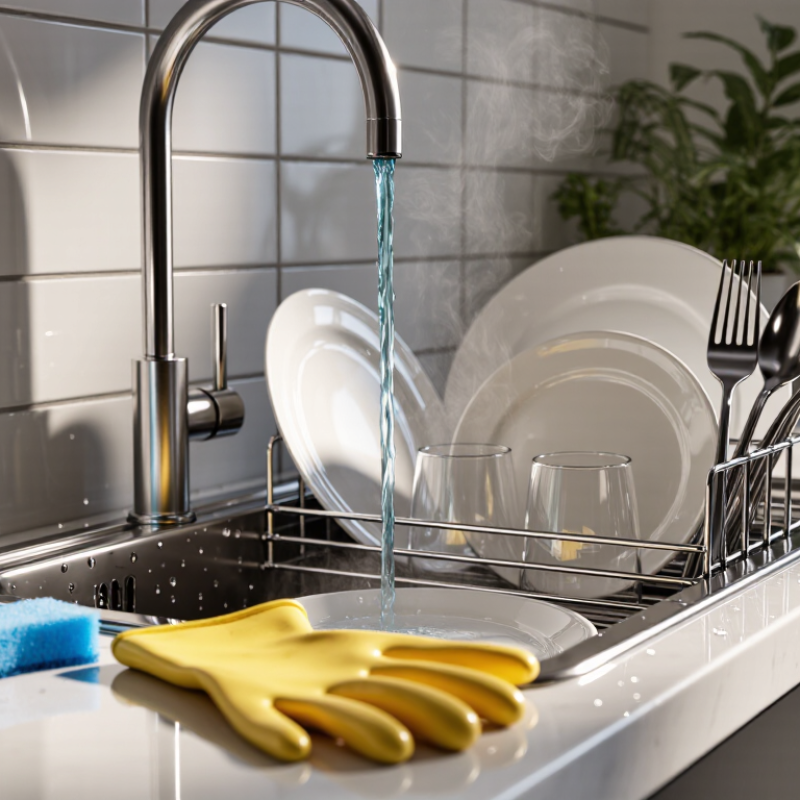
How to Choose the Best Moisturizing Dish Soap?

Identify Your Skin’s Needs and Dishwashing Habits

How to Choose the Best Moisturizing Dish Soap?

Identify Your Skin’s Needs and Dishwashing Habits

Your hands and your routine both matter. If your skin feels tight after washing, note when it happens and how often you handle hot water. A long evening of scrubbing greasy pans can be harder on skin than a quick rinse of breakfast dishes. Look for a Dish Soap labeled moisturizing, and check its ingredient list for added fragrance if scents tend to bother you. “Gentle” on the label is useful, but it does not guarantee that every formula will suit you.

Think about the dishes, too. Do you wash everything by hand, or only delicate cookware? A concentrated soap may be practical for frequent washing, while a small amount can be enough for lighter loads. Try one change at a time, such as cooler water or less soap, so you can notice what helps. I used to blame the soap alone; honestly, water temperature and washing time can matter just as much.

Check Moisturizing Ingredients and Potential Irritants

When choosing a moisturizing dish soap, look beyond the front label. Check for humectants such as glycerin, which helps attract water, or skin-conditioning ingredients listed by the maker. Aloe and similar plant extracts may sound soothing, but they do not guarantee comfort. Ingredient lists rarely show exact amounts, and a rinse-off product has brief contact with skin. Still, checking the label gives you a useful starting point.

Pay equal attention to potential irritants. Fragrance and dyes can bother some people, while certain preservatives or cleansing agents may also contribute to dryness or irritation. Reactions vary; one person’s gentle soap may leave another’s hands feeling tight. If your skin is sensitive, consider a fragrance-free option and review the full ingredient list. Less is often better. If a product stings or causes redness, stop using it rather than assuming your skin needs time to adjust.

Think about how you wash dishes, too. Repeated washing, hot water, and long stretches with wet hands can leave skin uncomfortable, even with a moisturizing formula. Try using lukewarm water and rinse soap from your hands well. Gloves may help during a large load, though they can feel awkward at first. Labels offer clues, not guarantees, so notice how your hands feel after a few uses.

Compare Grease-Cutting Performance and Rinsability

When comparing moisturizing dish soaps, test grease removal and rinsing separately. Use the same greasy plate, water temperature, sponge, and measured dose for each trial. After ten strokes, check whether oil remains; then rinse under a steady stream and look for slippery residue. A fast rinse matters. Excess foam alone does not prove better cleaning, and a soft feel on hands cannot confirm that dishes are residue-free.

For a more controlled comparison, record the soap dose, rinse time, and number of plates cleaned before the wash water turns cloudy. Keep the method consistent, even if a home sink cannot match laboratory conditions. My own sink test is imperfect. ASTM D4009 addresses foam stability in hand-dishwashing detergents, but foam is not a direct measure of grease removal or rinsability. For an environmental cross-check, OECD Test Guideline 301 uses a 60% biodegradation threshold in specified ready-biodegradability tests; that figure does not measure cleaning performance. A balanced choice should cut oily film with a modest dose, rinse clean without repeated flushing, and leave hands comfortable after washing.

How to Choose the Best Moisturizing Dish Soap? - Compare Grease-Cutting Performance and Rinsability

Formula Profile Grease-Cutting Performance Rinsability Hand-Feel Considerations Best Fit What to Check on the Label
Moisturizing everyday liquid Usually suitable for routine washing and light-to-moderate food grease. Heavily soiled cookware may need extra soap, warmer water, or a second wash. Generally straightforward when used in a small amount; using too much can leave suds or a slippery feel that requires more rinsing. May include skin-conditioning ingredients, but these do not guarantee that hands will not become dry or irritated. Regular dishes, cups, and everyday kitchen cleanup. Directions for use, ingredient information, and any fragrance or skin-sensitivity guidance.
Concentrated grease-focused liquid Designed for stronger cleaning per dose and may be a practical choice for oily pans or baked-on food. Actual results depend on the formula and washing conditions. Can rinse clean when correctly diluted; an oversized dose may take longer to rinse away. Cleaning strength alone does not indicate how gentle a product will feel on skin. Frequent washing of greasy cookware or dishes. Recommended dose and whether the product is intended for hand dishwashing.
Fragrance-free or sensitive-skin-positioned liquid Varies by formula; fragrance-free labeling by itself does not indicate stronger or weaker grease removal. Depends on the amount used and the surfactant blend, rather than fragrance status alone. A fragrance-free option may suit people who prefer to avoid added fragrance, but it is not a guarantee against skin reactions. Shoppers seeking to avoid added fragrance or reduce exposure to a preferred-to-avoid ingredient. Full ingredient list and any specific fragrance-free or skin-testing statements.
Plant-derived surfactant formula Performance varies; plant-derived ingredients do not automatically mean better or worse grease cutting. Varies with the complete formulation and dose. Follow the product’s directions and rinse dishes thoroughly. Plant-derived ingredients are not automatically non-irritating; individual sensitivity can differ. Shoppers who prefer products that identify plant-derived cleaning ingredients. Ingredient details and the manufacturer’s explanation of what “plant-derived” refers to.
Highly sudsing liquid Foam level is not a reliable measure of grease-cutting power; cleaning depends on the formula, dose, water, and washing method. Heavy suds can make it harder to judge when a dish is fully rinsed, especially if too much product is used. More foam does not necessarily mean a gentler wash for hands. Users who prefer visible suds and are willing to measure the dose carefully. Use directions and whether the product is intended for washing dishes by hand.
Low-suds or easy-rinse-positioned liquid Can still clean effectively; low foam alone does not establish cleaning strength. May be easier to rinse by feel, but dishes should still be rinsed thoroughly according to product directions. Rinsing characteristics do not by themselves predict skin comfort. Shoppers who prioritize a quick rinse or prefer less visible foam. Rinsing directions and any clear product-specific performance claims.

How to compare: These are general formula profiles, not results from a controlled product test. Formulations vary, and “moisturizing” does not guarantee that a dish soap will prevent dry or irritated hands. For a fair comparison, use the same water temperature, dish type, and measured dose, and follow each product’s label directions.

Evaluate Scent, Concentration, and Packaging

A moisturizing dish soap should clean food residue without leaving your hands feeling tight. Start with the scent. A mild citrus or unscented formula may be easier to live with than a strong fragrance that lingers on cups. Smell it if possible, and consider anyone in your household who is sensitive to perfume. A pleasant bottle scent can become annoying beside a warm sink.

Concentration affects how much soap you need per load. Check the directions and begin with the recommended amount; extra suds do not always mean cleaner dishes. If a small squeeze washes a greasy pan and several plates, the formula may offer better value. Still, water hardness and cooking oils can change results. I have misjudged this before.

Packaging matters more than it seems. A steady pump helps control the dose with wet hands, while a wide bottle may tip near the sink. Look for a cap that closes securely and a label that stays readable when splashed. Refill options can reduce bottle waste, but only if pouring them is practical for you. Small details count.

How to Choose the Best Moisturizing Dish Soap

Suggested evaluation weights for comparing scent, concentration, and packaging.

Give the most weight to concentration and the recommended dose per wash, since these help you judge how much soap you need. Then consider whether the scent suits your preferences and whether the packaging is easy to use and recyclable. These suggested weights are a practical comparison guide, not survey or laboratory results.

Choose the Best Option for Your Household and Budget

Choosing moisturizing dish soap is a balance between comfort, cleaning performance, and cost. The U.S. Bureau of Labor Statistics’ 2023 Consumer Expenditure Survey reported average annual spending of $77,280 per consumer unit across all categories. That figure is not a dish-soap budget, but it underscores why small repeat purchases deserve comparison. Check the price per fluid ounce, then estimate how many sinks or loads one bottle handles. A low shelf price can be less economical if you need extra soap for greasy pans.

Read the label carefully. “Moisturizing” is not a guarantee that a formula will suit every person or prevent dry hands. If your skin feels tight after washing, try a fragrance-free option and use gloves for long scrubbing sessions. The American Academy of Dermatology notes that repeated contact with detergents can irritate skin, so comfort matters alongside price. EPA’s Safer Choice program also evaluates ingredients against health and environmental criteria; its label can offer another comparison point, not a promise of perfect performance. I still find foam an unreliable cue. Test a small bottle before buying in bulk, and note whether one small squeeze cleans your usual plates without leaving residue.

Shopping Basket