
• Home
  • About
    • jute Bag

      Eco-Chic and Durable – Perfect for Sustainable Living.

      Cashew Nut Bag

      Sustainable jute bag for lasting cashew nut freshness

      Cocoa Bag

      Eco-friendly jute bag for rich cocoa flavor preservation

      Coffee Bag

      Elegant, durable jute bag to keep coffee beans fresh and eco-friendly

      Hazel Nut Bag

      Eco-conscious jute bag for hazelnut freshness and quality

      Shea Nut Bag

      Durable jute bag for fresh, organic shea nuts

      Tote Bag

      Stylish, eco-friendly jute tote for daily essentials

      Wheat Bag

      Sustainable jute bag for optimal wheat freshness

    • Jute Yarn

      Eco-Chic and Durable – Perfect for Sustainable Living.

      Jute Rope

      Sustainable jute bag for lasting cashew nut freshness

      Jute Fabrics

      Eco-friendly jute bag for rich cocoa flavor preservation

      Hessian cloth

      Sustainable Hessian cloth suppliers

  • Products
  • Export Country
  • Blog

How to Choose the Best Rolling Luggage Trunk

Choosing a Rolling Luggage Trunk means balancing capacity, mobility, durability, and ease of handling. The best choice depends on where you travel, what you pack, and how often you move. A roomy interior looks useful in a showroom. At a crowded station, however, bulky dimensions can become a nuisance. Measure your usual load, including shoes, folded clothing, and small accessories. Then compare the trunk’s dimensions with airline and transport guidance before buying. Policies vary. A little research helps.

Wheels and handles matter just as much as storage. Test how smoothly the wheels turn and whether the handle locks at a comfortable height. If possible, roll a loaded case over tile, pavement, and a small threshold. Listen for rattling. Inspect seams, zippers, corner guards, and shell material; these parts face repeated knocks and pressure. A hard shell may protect delicate items, while softer panels can offer flexible packing space. Neither option is automatically better. Check the empty weight, interior layout, warranty terms, and replacement-part availability in the product specifications. Customer reviews can reveal recurring problems, but separate detailed reports from vague praise. Even a well-reviewed trunk may feel awkward when fully packed; this is easy to overlook. No trunk is perfect. This guide compares practical features and trade-offs. It helps you choose a Rolling Luggage Trunk for real trips, not just polished product photos.
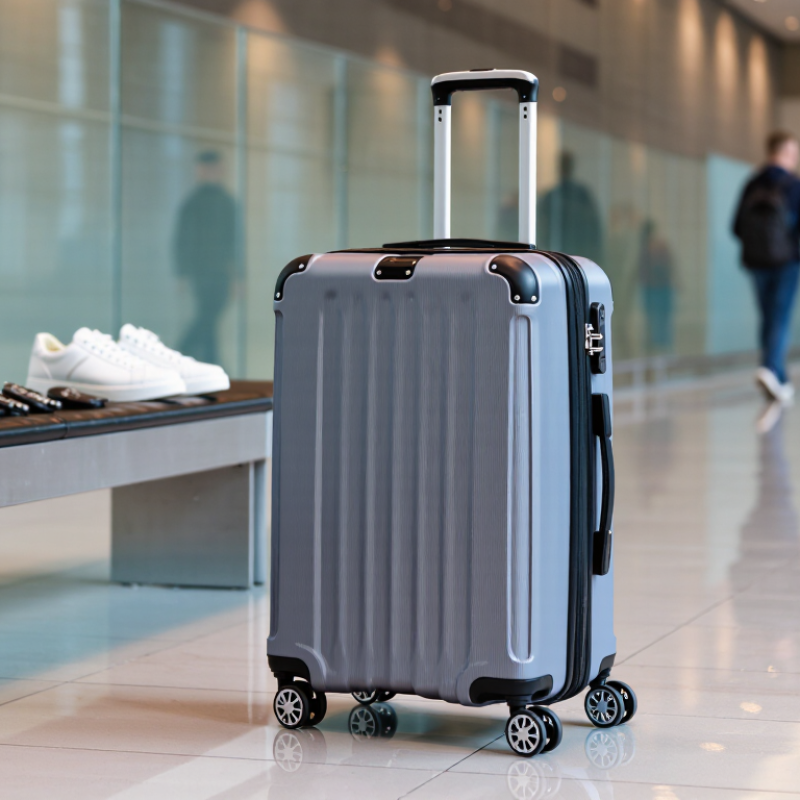
How to Choose the Best Rolling Luggage Trunk

What Defines a Rolling Luggage Trunk?

How to Choose the Best Rolling Luggage Trunk

What Defines a Rolling Luggage Trunk?

A rolling luggage trunk is a wheeled case with a more upright, box-like shape than a typical suitcase. It usually has a firm shell or reinforced frame, a telescoping handle, and wheels designed to move the loaded case. The trunk-style shape can make room for bulky clothing, shoes, or travel gear. Inside, straps, dividers, and pockets help keep items from shifting. There is no single standard definition, though; some cases called trunks are simply deeper or more rigid suitcases.

Think about how you pack and where you travel. A structured case may protect folded items, but it can be heavier and less forgiving in tight car trunks or crowded train aisles. Check the wheel movement, handle stability, zipper or latch closure, and whether the empty case fits your storage space. When possible, roll it with a few items inside. A smooth showroom floor can hide wobbling that shows up on rough pavement.

Tips: Measure the case, including its wheels and handle. Pack a few everyday items and test access to the compartments. Small details matter. I once underestimated how awkward a rigid case could feel on stairs; that trade-off is easy to overlook.

How to Match Trunk Size and Capacity to Your Trip

Choosing a rolling luggage trunk starts with the trip, not the shell. For a three-day city break, 60–90 liters usually holds clothing, shoes, and a compact toiletry kit. A two-week journey may need 100–130 liters, especially in cold weather. However, more space often invites overpacking. I still make that mistake.

Weight matters as much as volume. The U.S. Department of Transportation’s 2023 Air Travel Consumer Report recorded a checked-baggage mishandling rate of about 0.51%. A heavy trunk can be harder to lift, transfer, or recover when plans change. Before buying, check your carrier’s exact size and weight limits. Rules differ, even on similar routes. Never assume a large trunk automatically means better value.

SITA’s 2024 Baggage IT Insights report recorded 6.9 mishandled bags per 1,000 passengers in 2023. That figure supports choosing a practical, manageable trunk rather than the biggest available model. Measure the packed case, including wheels and handles. Leave roughly 10% empty for souvenirs or compression failure.

For train travel, narrow corridors make a 70–90 liter trunk easier to control.
For family travel, two medium trunks may distribute weight better than one oversized case.

Test the handle fully extended. Check wheel movement on a hard floor. Small details matter.

Which Materials, Wheels, and Handles Suit Your Needs?

Choosing a rolling luggage trunk starts with its material, not its appearance. For frequent air travel, thick polycarbonate offers a useful balance of low weight and impact resistance. Aluminum feels sturdier and resists crushing, but it can dent and add noticeable weight. ABS usually costs less, though it may crack more easily under repeated hard impacts. I once favored the lightest case, then regretted it when rough handling damaged the corners. That changed my priorities.

Wheel design decides how the trunk behaves outside smooth terminals. Four double-spinner wheels roll easily in tight spaces and reduce wrist strain. Larger wheels handle uneven sidewalks better, especially when the case is fully packed. Check the wheel housing for solid attachment, and listen for grinding during a test roll. Two-wheel models can climb curbs more naturally, but they place more weight on your arm. No wheel is perfect. Test it loaded.

A telescopic handle should lock firmly at several heights without excessive side-to-side movement. Press the release button repeatedly; a sticky mechanism may become frustrating after months of use. Look for a rounded grip that remains comfortable when your palm is tired. Handle tubes need protection because they often meet baggage belts, car trunks, and hotel doorframes. I prefer slightly heavier hardware when it feels dependable, yet this judgment remains personal. Before buying, fill the trunk with typical items and pull it across tile, carpet, and cracked pavement.

How to Choose the Best Rolling Luggage Trunk — Which Materials, Wheels, and Handles Suit Your Needs?
Feature Option Practical strengths Trade-offs Best suited for
Shell material Polycarbonate Relatively lightweight and able to flex slightly under impact; available in rigid, molded shells. Can show surface scuffs, and damage is still possible under severe impact. Travelers who want a balance of manageable weight and impact resistance.
ABS plastic Lightweight and commonly used for hard-sided cases. Generally less impact-resistant than many polycarbonate or metal-shell options. Occasional trips and travelers prioritizing a lighter, often more economical case.
Aluminum Rigid construction offers strong protection for packed contents. Usually heavier than plastic shells; the exterior can dent or scratch. Travelers carrying delicate or valuable equipment who accept extra weight and visible wear.
Polypropylene Typically lightweight and somewhat flexible, helping the shell absorb everyday knocks. Shell stiffness and durability vary by design and thickness. Travelers seeking a light hard-sided trunk for regular general-purpose use.
Wheel setup Four-wheel spinner Turns easily and can roll upright beside the traveler; useful in aisles and other tight spaces. Small spinner wheels can be harder to manage on rough ground; the case may need to be guided on slopes. Airports, stations, smooth floors, and frequent maneuvering through crowds.
Two-wheel inline Usually pulled behind the traveler; larger recessed wheels can handle uneven surfaces better than small spinners. Requires tilting to roll and may take more effort to maneuver in narrow spaces. Outdoor pavements, cobblestones, and routes with less consistently smooth surfaces.
Replaceable wheel assembly Allows a worn or damaged wheel to be repaired without replacing the entire case, when compatible parts are available. Replacement parts and repair access depend on the case design. Frequent travelers who value serviceability and longer-term maintenance.
Handle design Telescopic pull handle Adjustable height can make rolling more comfortable; multiple locking positions suit different users. Can wobble slightly by design and may be more vulnerable to damage if used to lift a heavily loaded case. Most travelers; choose a handle that extends smoothly and feels comfortable at your walking height.
Top and side carry handles Make it easier to lift the trunk into a vehicle, onto a luggage rack, or up stairs. Do not replace a pull handle for rolling; padding and secure attachment matter when the case is heavy. Travelers who expect to lift or reposition a large trunk frequently.
Reinforced grab handles Sturdier attachment points are helpful when a case is bulky or fully packed. Reinforcement can add some weight; inspect stitching or fasteners and the handle’s grip. Heavy packing, road trips, and situations where several people may handle the case.
Overall fit Weight, capacity, and dimensions A trunk with enough room for your typical packing needs can reduce the need for extra bags. A larger or heavier case can be harder to lift and may exceed an airline’s size or weight limits. Check the packed case’s dimensions and weight against the specific carrier’s current baggage rules before travel.

Quick guide: Match the shell to your protection and weight priorities, the wheels to the surfaces you travel on, and the handles to how often you need to lift or maneuver the trunk.

How to Compare Security, Organization, and Ease of Use

How to Choose the Best Rolling Luggage Trunk

How to Compare Security, Organization, and Ease of Use

A good rolling trunk should protect your belongings without turning access into a daily puzzle. Check how the closure works, then test whether it stays shut when the case is gently tipped. A built-in lock can discourage casual access, but it cannot replace sensible packing or careful handling. Look for sturdy latches, reinforced corners, and seams that do not flex easily under light pressure. Small details matter.

Organization is easier to judge with a few real items in mind. Picture packing shoes, folded shirts, and a toiletry pouch. Separate compartments or compression straps can stop these items from shifting, while a lined pocket keeps small objects from vanishing beneath clothes. Yet too many dividers may waste space or make unpacking fussy. I have found that simple layouts often work better, though that depends on what you carry.

Then roll the trunk across a hard floor and over a doorway threshold, if possible. The handle should extend smoothly and feel steady at different heights. Wheels should track without wobbling, and the case should turn without demanding a hard pull. Check the empty weight, too; a spacious trunk can feel tiring when lifted into a car. Try the details yourself. Product descriptions rarely show how a handle feels after several minutes.

How to Assess Durability, Weight, and Overall Value

A rolling luggage trunk takes more strain than a suitcase that stays in a car. Check the corners, seams, handle mounts, and wheel housings. These areas often show wear first. Press gently on the shell; a little flex can be normal, but sharp creaking or loose panels deserve a closer look. Open and close every latch several times. It should move smoothly, without needing a hard shove.

Weight matters before you pack. Lift the empty trunk into a car, then roll it across a rough patch of pavement. Heavy construction may feel reassuring in a store, but it can become tiring on stairs or long station walks. Look for wheels that track straight and a handle that locks at a comfortable height. Small test, useful signal. For durability, inspect replaceable parts and ask how repairs are handled; a sturdy shell is less helpful if a broken wheel cannot be fixed. Compare price with capacity, warranty terms, and likely repair costs, not just the sticker. I once focused too much on a thick shell and overlooked the awkward handle angle. That was my mistake. A trunk’s best value is the one you can lift, steer, and maintain without a daily struggle.

Shopping Basket