Dried Carrots Bulk Purchase Guide for Global Buyers
Dried Carrots are an invaluable ingredient in many kitchens around the world. Their versatility makes them popular among chefs and home cooks alike. However, buying dried carrots in bulk can be a daunting task for global buyers. With varying quality, sourcing challenges, and numerous suppliers, it is crucial to approach bulk purchases with knowledge and care.
Understanding the market is essential. Buyers should focus on suppliers who prioritize quality and sustainability. Knowing the best practices for selecting dried carrots can enhance your culinary creations. Clear labeling, origin information, and moisture content are all factors to consider. The importance of freshness cannot be overstated. While dried carrots offer convenience, they should maintain flavor and nutritional value.
Challenges may arise in sourcing. Some suppliers may lack reliable quality control. It is essential to conduct thorough research before committing to a purchase. Engage with potential suppliers, request samples, and assess their certifications. Trustworthiness and expertise are vital in this industry. Making informed choices will help ensure a successful buying experience for dried carrots.
Understanding the Global Demand for Dried Carrots
The demand for dried carrots is on the rise. Factors like health consciousness and convenience drive this trend. Dried carrots are rich in vitamins and minerals, making them an appealing option for health-focused consumers. They are easy to store and use, appealing to both home cooks and food manufacturers.
Importantly, global markets showcase varying preferences for dried carrots. In some regions, they are used in soups and snacks. Others prefer them for smoothies or baking. Understanding these preferences helps buyers make informed decisions. Buyers should consider volume requirements and pricing fluctuations influenced by harvest seasons.
However, sourcing dried carrots has its challenges. Quality control can be an issue. Not all suppliers offer the same standards, creating inconsistencies in product quality. It's essential for buyers to conduct proper research and establish reliable relationships. It’s a process that may require patience and ongoing evaluation. Insightful sourcing can yield significant rewards in terms of customer satisfaction and product availability.
Selecting Quality Dried Carrots: Key Criteria for Buyers
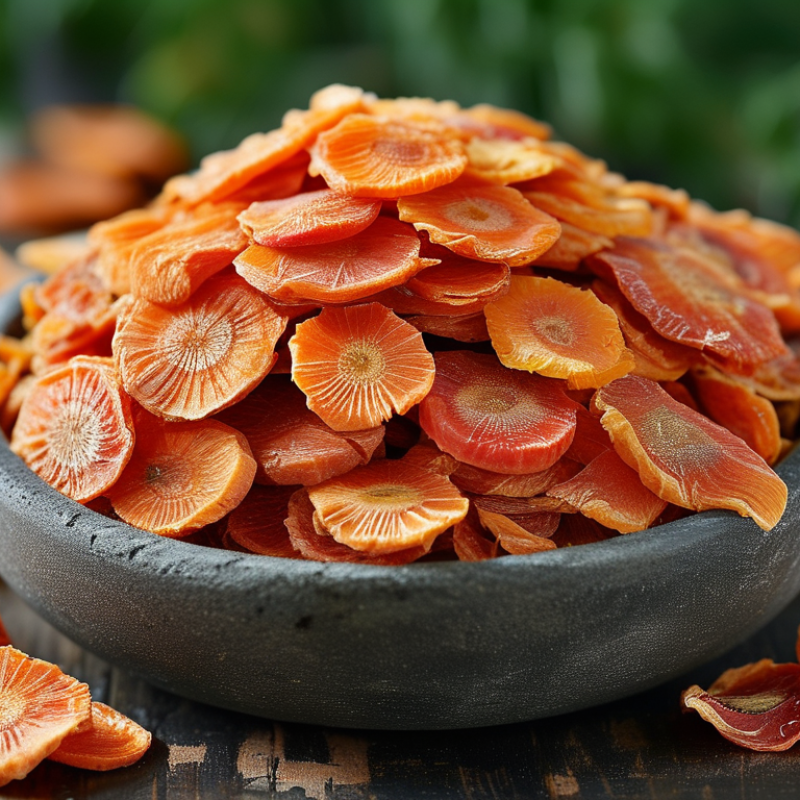
When selecting quality dried carrots, buyers should focus on a few key criteria. The color of the carrots is vital. Look for vibrant orange shades, indicating freshness and proper drying methods. A dull or discolored appearance may suggest older stock or poor quality. Aroma is another important factor; fresh dried carrots should have a sweet, earthy scent, not musty or off-putting odors.
Texture matters too. Quality dried carrots should feel lightweight and crisp. If they’re leathery or tough, they might not be fresh. Consider the source of the product as well. Reliable suppliers often provide information on their farming and drying processes. This transparency builds trust and ensures you are buying the best possible product.
In many cases, packaging can also offer clues to quality. Airtight, moisture-proof packaging helps preserve freshness. If the packaging is damaged or poorly sealed, the carrots may have been compromised. It’s essential to reflect on these factors as they directly influence the overall purchasing decision. Remember, not all suppliers adhere to high standards. Conducting thorough research will pay off.
Identifying Reliable Suppliers for Bulk Dried Carrots
When considering a bulk purchase of dried carrots, finding a reliable supplier is crucial. Many suppliers exist, but not all meet quality standards. Look for suppliers with positive reviews and a solid track record. Make sure to check their production methods and certifications. Transparency in sourcing is important. Suppliers should openly share information about their farming and drying processes.
Engage directly with potential suppliers. Ask questions about their quality control measures. Request samples to assess the taste and texture of the dried carrots. It’s essential to evaluate their customer service too. A responsive supplier indicates a commitment to quality and customer satisfaction. Pay attention to their communication style; it should be clear and informative.
Consider the logistics as well. Ensure that the supplier can meet your quantity requirements consistently. A good supplier should have reliable shipping options and delivery timelines. Be cautious with suppliers who promise too much too quickly. Reflect on your needs versus their offerings. Reevaluate your choices if something feels off; this can save you from making a poor decision.
Navigating Shipping and Import Regulations for Dried Carrots
Understanding shipping and import regulations for dried carrots is vital for global buyers. Countries have specific rules regarding food imports. Familiarize yourself with these rules to avoid delays. Import permits, tariffs, and health regulations often vary. Research is necessary to ensure compliance with local laws.
Documentation is crucial for smooth shipping. You may need phytosanitary certificates that confirm product safety. These documents assure customs that your dried carrots meet health standards. Additionally, working with reliable suppliers can make the process easier. They often provide guidance on necessary paperwork.
Be prepared for potential challenges. Regulations can change, and unexpected fees may arise. Keeping an eye on industry news helps you stay informed. Engage with professional networks that discuss import practices. Each shipment could teach you something valuable. The journey may not always be perfect, but the knowledge gained is invaluable.
Cost Analysis: Pricing Factors for Bulk Dried Carrots
When considering bulk purchases of dried carrots, understanding the pricing factors is essential. Several elements influence the cost. Firstly, the sourcing region impacts the price. Carrots grown in regions with favorable climates often yield higher quality. Consequently, these may be pricier than those from less optimal areas.
Transportation also plays a significant role. Shipping costs can vary based on distance and the method used. Bulk orders may save on shipping per unit, but regional tariffs might increase overall expenses. Buyers should evaluate these factors in detail.
To optimize your buying strategy, consider these tips. Research multiple suppliers to compare prices and quality. Seek out seasonal deals or discounts for larger orders. Pay attention to storage conditions, as improper handling can affect quality and therefore, the final price. When negotiating, be clear about your needs and expectations. This clarity may lead to better deals. Always be prepared to reassess your supplier if quality decreases over time.