Essential Tips for Effective Barcode Labeling Strategy?
In today's fast-paced business environment, effective barcode labeling is crucial. A well-executed barcode labeling strategy can streamline operations and reduce errors. Companies rely on accurate labeling for inventory management and tracking. However, many fail to realize the complexities involved.
Creating an effective barcode labeling system requires careful planning and execution. It's not just about design; it also involves choosing the right materials and technologies. Many businesses underestimate the importance of proper label placement. A misplaced label can lead to significant inefficiencies. Testing and validation of labels are often overlooked, yet they play a vital role.
Moreover, the continuous evolution of technology poses challenges. Businesses must stay updated with industry standards and best practices. Developing a robust barcode labeling strategy means acknowledging the need for ongoing improvement. Mistakes and oversights can happen, but they should inform future efforts. Embracing a proactive approach can significantly enhance efficiency and reliability in barcode labeling.
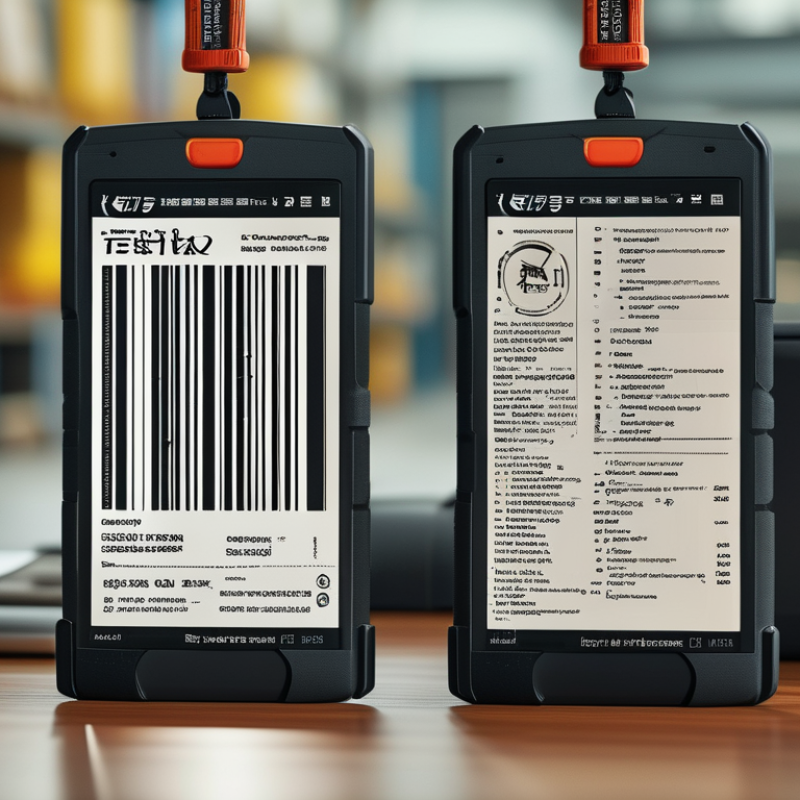
Understanding the Importance of Barcode Labeling in Inventory Management
Barcode labeling plays a vital role in inventory management. Accurate barcode labels ensure that items can be easily tracked and located within warehouses. According to industry reports, businesses lose an average of 20-30% of their inventory due to mismanagement. Effective labeling mitigates this loss. A well-planned labeling strategy can lead to a significant reduction in errors during inventory counts.
Incorrect labeling can lead to substantial financial losses. Reports have shown that nearly 70% of inventory discrepancies stem from labeling mistakes. Correctly applied barcodes enhance operational efficiency. They enable faster check-in and check-out processes, reducing labor costs. However, many companies overlook the importance of regular audits of their labeling systems. This can result in ongoing errors in stock management.
Moreover, employee training on barcode usage is crucial. A well-trained workforce can navigate barcode systems confidently, minimizing mistakes. Despite this, many organizations face challenges in sustaining effective training programs. This often leads to a cycle of inefficiency. Barcode labeling should not be viewed as a one-time investment. Instead, it requires continuous improvement and evaluation to remain effective in a rapidly changing inventory landscape.
Choosing the Right Barcode Format for Your Business Needs
Choosing the right barcode format for your business needs is crucial. Different industries require different formats to maximize efficiency. Common formats include UPC, EAN, and QR codes. Each has its own application and suitability. For example, UPC barcodes are favored in retail, while QR codes offer more data and are versatile for marketing.
When selecting a format, consider the end use. Will your products be scanned at a retail counter? Opt for UPC. Are you looking to provide consumers with additional information? QR codes may be your best bet. Also, think about your scanning equipment. Some scanners only read specific formats. Test your options to ensure compatibility.
Tips for an effective labeling strategy include choosing a high-contrast background. This makes the barcode easily scannable. Also, ensure there's adequate white space around the barcode. This helps scanners detect it without errors. Regularly review your labels for wear and tear. Damaged labels can lead to scanning failures and disrupt the flow of operations. Remember, an effective barcode strategy is integral to your business's success.
Designing Clear and Scannable Barcode Labels
Designing clear and scannable barcode labels is crucial for efficient inventory management. According to a report by the International Journal of Information Systems, nearly 30% of scanning errors arise from poorly designed labels. This statistic highlights the importance of effective design in reducing mistakes and improving operational processes.
When creating barcode labels, clarity is key. Use high-contrast colors to ensure visibility. For instance, black bars on a white background are universally recognized and easy to scan. Include sufficient white space around the barcode. This prevents interference during scanning. A well-placed label can boost scanning efficiency by up to 20%.
Tips for an effective labeling strategy include selecting the right barcode size. Research shows that barcodes must be at least 1 inch wide for reliable scans. Additionally, consider the material of your labels. Labels must withstand your environment, whether it's a freezer or a warehouse. This ensures they remain readable throughout their lifespan. Keep in mind that small design flaws can lead to significant errors in scanning, impacting your operations.
Implementing a Consistent Labeling Process Across Products
Implementing a consistent labeling process is vital for any organization that relies on barcode labeling. A uniform approach not only enhances efficiency but also reduces errors. When labels are easy to read and understand, inventory management improves significantly.
One effective tip is to standardize label dimensions. Choose a specific size for all products. This helps in establishing a cohesive look. It also simplifies printing and application processes. Consider using high-quality materials to avoid wear and tear. Labels that fade or peel can lead to mismanagement.
Another crucial aspect is maintaining a central database. Every label should be linked to a product within this system. This connection streamlines tracking and retrieval. Regularly updating your database mitigates risks of inaccuracies. Sometimes, overlooking updates can cause confusion and inefficiencies. Consistent labeling, supported by reliable data, forms the backbone of effective inventory management.
Essential Tips for Effective Barcode Labeling Strategy
Testing and Reviewing Your Barcode Labeling Strategy Regularly
Regular testing and reviewing of your barcode labeling strategy is essential. This process helps identify errors and areas for improvement. It's not enough to set up a labeling system and forget about it. This can lead to inefficiencies and errors down the line. Regular checks ensure accuracy in scanning and inventory management.
Perform regular audits on your labels. Look for damaged or poorly printed barcodes. Such labels can hinder operations and create confusion. Analyze scanning data to detect patterns. If certain labels are frequently unscanned, reconsider their design or placement. This reflection could save time and costs in the long run.
Gather feedback from staff who work with the labels daily. Their insights are invaluable. They can point out what’s not working. Engage them in discussions about possible enhancements. This collaborative approach fosters a sense of ownership. It can also uncover overlooked issues that need addressing.