2026 How to Choose Smoke Shop Shelves for Global Buying?
Choosing smoke shop shelves for global buying in 2026 requires more than comparing prices and glossy product photos. Retailers need fixtures that support lawful, age-restricted retail operations, clear product presentation, and safe customer movement. A shelf may look impressive online, yet arrive with weak joints, poor packaging, or unsuitable dimensions. Small details matter.
This guide examines materials, load capacity, modular design, lighting, security features, and shipping requirements. Steel shelves can provide strong support for heavier packaged goods, while tempered glass creates a cleaner display for smaller accessories. Adjustable levels help retailers change layouts during seasonal promotions. Lockable cabinets may also protect higher-value merchandise and reduce handling risks. Measurements should be checked twice. A few millimeters can disrupt an entire wall plan.
Global sourcing adds another layer of responsibility. Buyers should verify supplier experience, factory quality controls, export documents, warranty terms, and replacement-part availability. Compliance should be reviewed for the destination market, including fire safety, electrical standards, accessibility, and age-restricted product display rules. Requirements vary widely. Never assume one design fits every country.
Reliable purchasing decisions often come from samples, factory inspections, and clear written specifications. Ask for load tests, material thickness, finish samples, packaging images, and installation instructions. It is easy to focus on unit cost and overlook freight damage or delayed support. That mistake can be expensive. A practical comparison should consider total landed cost, expected service life, maintenance, and store appearance. Even experienced buyers can miss something. The best choice balances durability, compliance, visual clarity, and long-term retail performance.
Define Smoke Shop Shelf Types and Retail Display Needs
2026 How to Choose Smoke Shop Shelves for Global Buying?
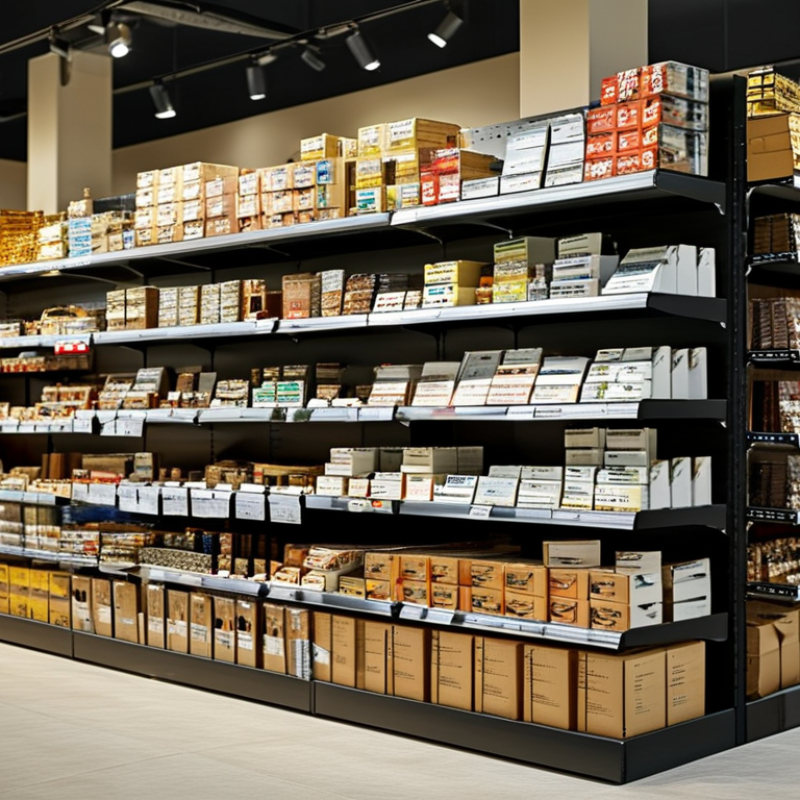
Smoke shop shelving should match the product type, customer flow, and local retail rules. A wall shelf suits boxed accessories and keeps the floor open. Gondola shelving works well for grouped products and allows stock from both sides. Glass cabinets protect higher-value items while preserving visibility. Counter displays support small, frequently requested products near checkout. Lockable units may be necessary for regulated or age-restricted merchandise.
Display needs differ by store size. A narrow shop needs vertical storage, bright labels, and clear walking space. A larger store can use low fixtures to improve sightlines. Adjustable shelves help when packaging sizes change. Durable metal, sealed wood, and easy-clean surfaces usually perform better in busy environments. Avoid sharp corners and unstable bases. Safety matters more than decoration.
From practical retail planning, I would measure the wall, aisle width, shelf depth, and restocking path before buying. Leave enough room for staff movement. Keep related products together, but do not overcrowd them. Customers should understand each section quickly. That sounds simple. It is not always simple.
International buyers should confirm material standards, shipping dimensions, assembly requirements, and local display restrictions. Packaging and labeling rules may also affect shelf spacing. I once underestimated the value of adjustable brackets; fixed shelves looked neat but limited future changes. That mistake still matters. A flexible display often supports better buying decisions than a fashionable fixture.
2026 How to Choose Smoke Shop Shelves for Global Buying?
Smoke Shop Shelf Types and Retail Display Needs
This planning chart compares common smoke shop fixture types by typical usable shelf depth. Wall-mounted and slatwall shelves support compact vertical merchandising, countertop units suit small accessories and impulse purchases, while gondola and glass display fixtures provide more capacity for organized product presentation and higher-value items. Actual dimensions should be verified against local building codes, packaging sizes, security requirements, and store layout conditions.
Assess Materials, Durability, Safety, and Maintenance Requirements
When choosing smoke shop shelves for global buying, assess the material before admiring the finish. Powder-coated steel handles heavy daily use and resists scratches better than thin painted sheet. Tempered glass improves visibility, but its edges and support points need careful inspection. Solid wood looks warm, although humidity can cause swelling or uneven doors. In one store fitting project, a wood unit warped near the entrance. That experience changed my purchasing checklist.
Durability should be measured, not guessed. Ask for load ratings, weld quality, hardware specifications, and cycle testing. Test it physically. Shelves should remain stable when customers pull products forward. Adjustable supports help when package sizes change. Safety deserves equal attention. Choose rounded corners, smooth surfaces, secure glass, and anti-tip anchoring. Edges matter. Check whether the structure fits local fire, building, and accessibility requirements. A low price can hide weak brackets and expensive replacement work.
Maintenance affects the real cost of global sourcing. Request cleaning instructions for glass, metal, and moisture-sensitive panels. Avoid finishes requiring harsh chemicals or frequent refinishing. Inspect sample units under bright light, then test them with realistic weight. Record defects with photographs and written measurements. Packaging matters too; damaged corners often begin during long-distance transport. I still leave room for doubt. Supplier documents can be accurate, yet one sample may not represent every batch. Recheck tolerances, replacement parts, and installation guidance before approving a larger order. Keep spare fasteners available. Small details matter.
Compare Shelf Sizes, Layouts, Capacity, and Store Compatibility
Choosing smoke shop shelves for global buying starts with measurements, not appearance. The U.S. Census Bureau recorded approximately $7.2 trillion in 2023 retail sales. That scale makes efficient floor planning commercially important. Measure wall height, aisle width, door clearance, and ceiling obstacles before comparing suppliers.
For compact stores, 600–900 mm shelves suit narrow walls and preserve circulation. Larger 900–1200 mm bays provide stronger capacity for boxed, lawful adult retail goods and accessories. Adjustable shelves help when package sizes change. They also reduce wasted vertical space.
A straight-wall layout improves stock visibility, while island shelving supports browsing but consumes more floor area. It may look impressive. It can also create awkward corners.
Capacity should be calculated by usable shelf length, not the number of tiers. The Retail Industry Leaders Association’s inventory research consistently links accurate stock visibility with better replenishment decisions. Use labeled bins, transparent dividers, and a simple planogram. The U.S. Access Board recommends accessible reach ranges between 15 and 48 inches for many forward approaches. Keep frequently selected items within that zone. Fire and egress rules vary by country, so local approval remains essential. NFPA 101 guidance commonly treats 36 inches as a baseline corridor width, but occupancy conditions can change it.
My practical mistake was once choosing maximum-height shelving for a small shop. It increased capacity, yet made the room feel closed. Recheck the customer path.
Calculate Total Costs, Customization Options, and Long-Term Value
2026 How to Choose Smoke Shop Shelves for Global Buying?
For global buyers, the shelf price is only the opening number. Calculate the landed cost before comparing suppliers. Add the unit price, packaging, inland transport, international freight, insurance, duties, local delivery, and installation. A 120-centimeter steel shelf may look affordable, yet oversized cartons can sharply increase freight charges. Ask for carton dimensions and packed weight. Use actual quotes.
Customization should solve a retail problem, not simply add decoration. Adjustable shelves can support different package sizes and reduce unused space. Reinforced brackets may improve safety in busy stores. Choose finishes that resist scratches, moisture, and frequent cleaning. Request drawings, material thickness, load ratings, color samples, and assembly instructions before approval. Small details matter. Custom logos, unusual depths, and special colors may increase minimum order quantities and replacement costs.
Long-term value depends on maintenance and replacement access. In project reviews, I have seen low-cost fixtures become expensive after damaged panels could not be matched. My early freight estimate was also wrong once. That mistake changed my process. Now I compare five-year costs, including spare parts, labor, cleaning, and possible layout changes. Ask about quality checks, inspection records, warranty terms, and production tolerances. A reliable supplier should explain what happens when dimensions vary or parts arrive damaged. Leave room for uncertainty. A realistic budget should include a contingency amount, because international purchasing rarely follows the first spreadsheet.
2026 How to Choose Smoke Shop Shelves for Global Buying? - Calculate Total Costs, Customization Options, and Long-Term Value
Indicative 2026 planning figures in USD for international buying. Actual prices, freight, duties, taxes, and compliance costs vary by origin, destination, order volume, material specifications, and customs classification. | Fixture Type | Typical Size
(W × D × H) | Material and Configuration | Load Capacity | Recommended MOQ | Factory Price
per Unit | Export Packaging
per Unit | Estimated Freight
per Unit | Estimated Duty
(5% of CIF) | Estimated Delivered Cost
per Unit | Customization Options | Typical Lead Time | Expected Service Life | Estimated 5-Year TCO
per Unit | Estimated 100-Unit Delivered Order |
| Powder-Coated Steel Gondola | 900 × 450 × 1,500 mm | Cold-rolled steel frame, four adjustable shelves, perforated back panel | Up to 80 kg per shelf | 20 units | $72 | $6 | $14 | $4.30 | $96.30 | Color matching, shelf count, header panel, locking storage, graphics | 35–50 days | 8–10 years | $114 | $9,630 |
| Tempered-Glass Display Showcase | 900 × 450 × 1,200 mm | Steel cabinet, tempered glass doors, three internal shelves, lockable base | Up to 35 kg per shelf | 10 units | $185 | $12 | $28 | $11.25 | $236.25 | Glass thickness, lock type, LED lighting, internal layout, finish | 40–60 days | 7–10 years | $292 | $23,625 |
| Acrylic Countertop Display | 600 × 300 × 350 mm | Clear acrylic body, two-tier design, removable dividers | Up to 10 kg per tier | 50 units | $34 | $3 | $7 | $2.20 | $46.20 | Transparent or tinted panels, dividers, printed header, locking cover | 20–35 days | 3–5 years | $58 | $4,620 |
| Slatwall MDF Retail Fixture | 900 × 400 × 1,800 mm | Moisture-resistant MDF panels, aluminum inserts, five adjustable shelves | Up to 50 kg per shelf | 20 units | $88 | $8 | $16 | $5.60 | $117.60 | Laminate color, hook types, shelf depth, base cabinet, printed panels | 35–55 days | 5–8 years | $138 | $11,760 |
| Modular Aluminum Shelving | 900 × 450 × 1,600 mm | Anodized aluminum frame, five adjustable shelves, reusable connectors | Up to 100 kg per shelf | 20 units | $145 | $9 | $18 | $9.10 | $181.10 | Module width, shelf materials, wheels, lighting, hooks, signage | 40–65 days | 10–15 years | $198 | $18,110 |
Cost calculation basis: Delivered cost per unit = factory price + export packaging + estimated freight + import duty. The duty estimate uses a 5% rate applied to the product price plus freight. The 5-year total cost of ownership includes estimated delivered cost, basic installation, routine maintenance, and a reasonable replacement allowance. Freight estimates assume consolidated ocean shipment and exclude destination storage, VAT, sales tax, port handling, customs brokerage, and last-mile delivery.