What is a Jute Sack and Why Should You Choose It?
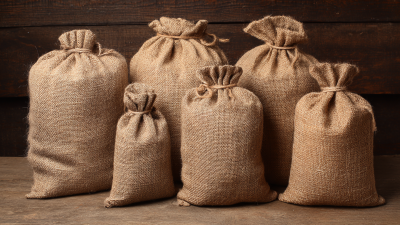
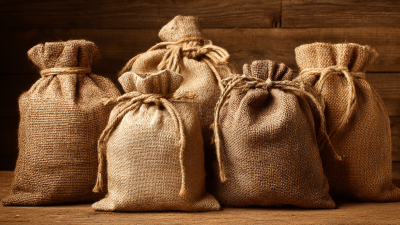
A jute sack is more than just a bag; it embodies sustainability and versatility. Made from natural fibers, jute sacks have gained popularity for various uses. Their strength and eco-friendliness make them an ideal choice for packaging and storage. Many industries, including agriculture and retail, are turning to jute sacks for their benefits.
Choosing a jute sack means supporting environmentally friendly practices. Unlike plastic, jute is biodegradable and recyclable. This choice can help reduce the carbon footprint. For consumers and businesses alike, using jute sacks can reflect a commitment to sustainability.
While jute sacks perform remarkably well, some may question their durability compared to synthetic options. They may have limitations in moisture resistance. However, with proper care, a jute sack can provide excellent performance. By opting for these sacks, you engage in a responsible choice, favoring the planet while enjoying the durability of jute.

Definition and Overview of Jute Sacks
Jute sacks are versatile and eco-friendly bags made from natural fibers. Known for their durability, these sacks are commonly used in packaging various products, from grains to pharmaceuticals. Jute itself is a renewable resource and biodegradable, which makes jute sacks an environmentally friendly option. Many businesses are shifting to jute for its minimal environmental impact.
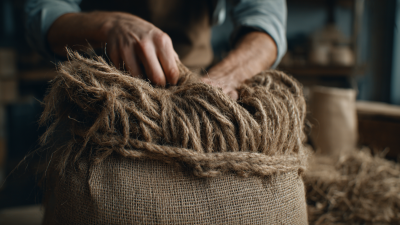
These sacks come in various sizes and strengths, catering to different needs. They can be woven tightly to hold heavy items or made lighter for less demanding uses. The texture of jute fibers provides a rustic look, appealing to consumers who value sustainable products. However, some might find them less water-resistant compared to synthetic materials. This requires careful consideration for items sensitive to moisture.
Choosing jute sacks can promote sustainability. They are an ethical choice amidst increasing environmental concerns. While they excel in durability, they do have limitations, such as susceptibility to mold if not stored properly. Buyers should reflect on their specific needs before committing to jute. Overall, the benefits often outweigh the drawbacks for those committed to reducing their carbon footprint.
Historical Significance and Origins of Jute Production
Jute, often referred to as the "golden fiber," has a rich history dating back thousands of years. Originating in the Bengal region of India and Bangladesh, jute production was significant even in ancient times. Historical records indicate that jute fibers were used for making ropes, mats, and textiles. Today, it remains one of the most important natural fibers, second only to cotton.
According to the International Jute Study Group, global jute production has surpassed 3 million metric tons annually. This statistic underscores the fiber's importance in the textile industry and its role in sustainable agriculture. Jute is biodegradable and environmentally friendly, making it an attractive alternative to synthetic materials. Despite its benefits, jute production faces challenges, such as fluctuating market prices and climate conditions impacting yield.
Communities that rely on jute farming often encounter issues related to fair wages and sustainable practices. The call for ethical sourcing is growing. New policies are necessary to improve farmers' livelihoods while promoting sustainable cultivation. This complexity reminds us that while jute is a valuable resource, its journey from field to product requires careful consideration and responsible practices.
Advantages of Using Jute Sacks Over Other Materials
Jute sacks have gained popularity due to their many advantages. They are biodegradable, making them an eco-friendly choice. Unlike plastic, jute decomposes naturally, providing a sustainable option for packaging and storing goods. This benefit is crucial for those concerned about environmental impact. Additionally, jute sacks are strong and durable, capable of holding heavy loads without tearing easily. This strength makes them ideal for farmers and businesses in various industries.
Tips for maximizing the use of jute sacks include proper storage. Keep them in a cool, dry place to avoid mold. Regularly inspect for wear and tear, as they can show signs of damage over time. If used for food storage, ensure they are clean and free from contaminants. Jute also has natural moisture-wicking properties, which can protect goods from humidity.
The aesthetic appeal of jute sacks cannot be overlooked. Their natural texture adds a rustic charm to any display or packaging. However, their appearance can fade if exposed to direct sunlight for long periods. It's essential to consider placement and care for your jute products to maintain their visual appeal while benefiting from their practical qualities.
Common Uses and Applications of Jute Sacks
Jute sacks are versatile and eco-friendly. They are made from natural fibers, making them a sustainable choice. Many industries benefit from using jute sacks. For instance, agriculture relies heavily on these bags for storing grains and transporting produce. The breathability of jute helps to keep harvested crops fresh and safe from pests.
In addition to agriculture, jute sacks are popular for packaging and shipping. Retailers often use them for bulk items, like coffee and rice. The strength of jute ensures products remain secure during transit. Craft enthusiasts are also drawn to jute for their DIY projects. The material can be easily dyed and transformed into unique products.
However, there are some challenges with jute sacks. They can absorb moisture, potentially leading to mold. Proper storage conditions are crucial. Additionally, while jute is biodegradable, it may take longer to break down compared to other materials. Users should consider these factors when choosing jute sacks for their needs. Despite these reflections, the benefits often outweigh the downsides.
Common Uses of Jute Sacks
Environmental Benefits of Choosing Jute Sacks
Jute sacks are gaining popularity due to their environmental benefits. Made from the jute plant, these sacks are biodegradable and compostable. According to the World Bank, jute production emits 80% less carbon dioxide than synthetic alternatives. This significant reduction contributes to combating climate change.
Jute's natural fibers are strong and durable. Studies show that jute can decompose within six months when exposed to soil. This is a stark contrast to plastic, which can take hundreds of years to break down. Moreover, jute cultivation improves soil health and biodiversity. It requires less water and pesticide compared to cotton production. This makes jute a more sustainable choice for consumers who care about the planet.
However, the jute industry faces challenges. Economic fluctuations can impact farmer incomes. Additionally, jute’s availability may be inconsistent due to seasonal cultivation. These factors need consideration when choosing jute sacks over synthetic options. Balancing sustainability with economic realities remains a vital discussion within the industry.
What is a Jute Sack and Why Should You Choose It? - Environmental Benefits of Choosing Jute Sacks
| Feature |
Description |
Environmental Benefit |
| Material |
Made from jute fiber, a natural and biodegradable material. |
Reduces plastic waste and promotes sustainable practices. |
| Durability |
Strong and long-lasting, can hold heavy items. |
Decreases need for single-use bags, thus lowering consumption of resources. |
| Versatility |
Suitable for various purposes such as packaging, shopping, and storage. |
Encourages multi-use applications, leading to less waste generation. |
| Renewability |
Jute is a rapidly renewable resource, with a growth cycle of about 4-6 months. |
Supports sustainable agricultural practices and lowers carbon footprint. |
| Biodegradability |
Completely biodegradable and compostable. |
Minimizes landfill impact and supports ecological balance. |