
What Is a Smart Downlight and How Does It Work?
A Smart Downlight is a recessed LED fixture with wireless control and adjustable lighting features. It combines a compact ceiling design with software, sensors, and a controllable power driver. Instead of using only a wall switch, you can adjust brightness, color temperature, or schedules through an app or voice assistant. This small change can make a hallway feel safer at night or help a kitchen look clearer while preparing food. Yet the label can mislead. Not every connected downlight offers the same control, reliability, or light quality.
At its core, a Smart Downlight receives digital commands and converts them into electrical changes. When you tap a setting in an app, the command travels through Wi-Fi, Bluetooth, or a separate smart-home hub. The lamp’s internal driver then regulates power sent to the LEDs. Many models also store schedules or respond to motion sensors. Some support warm-to-cool white light, while others produce colored light. Compatibility matters. A hub-based model may remain stable in crowded networks, while a Wi-Fi model may be easier to install.
From an installation perspective, ceiling depth, insulation, wiring, and heat management all deserve attention. A qualified electrician should follow local electrical codes and the manufacturer’s instructions. In a bedroom, gentle warm light can reduce visual harshness before sleep. In a kitchen, brighter neutral light may reveal food colors more accurately. These details show why specifications matter beyond marketing language. Still, smart lighting is not automatically better. Brightness claims may overlook glare, app failures, or weak wireless signals. Real experience often exposes those gaps. This guide explains what a Smart Downlight does, how it works, and what to check before choosing one. The aim is practical understanding, not blind enthusiasm.
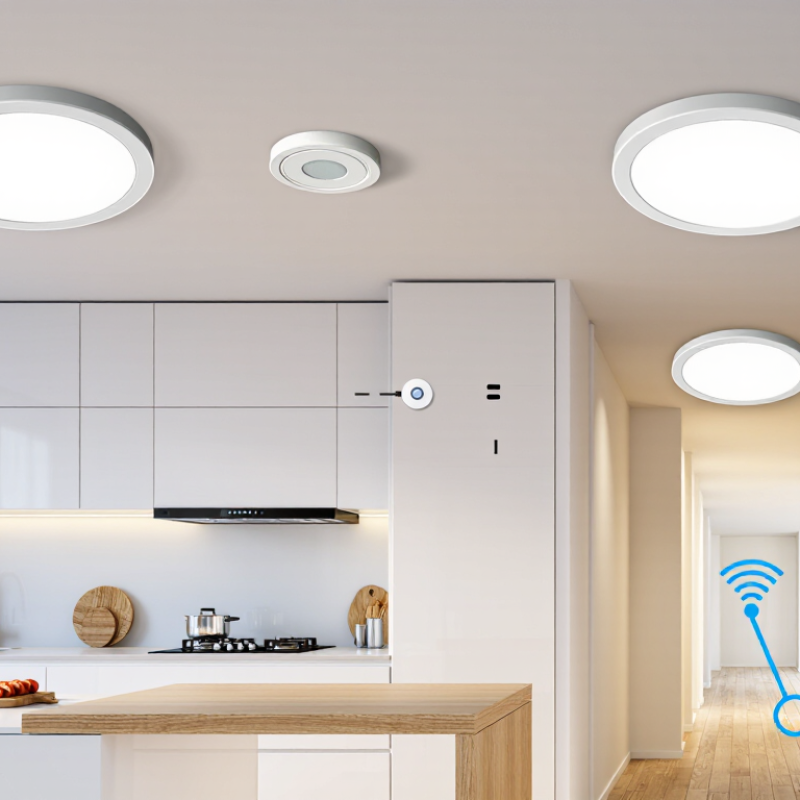
Table of Contents [Hide]
Definition and Core Features of a Smart Downlight
A smart downlight is a recessed ceiling light with digital controls and connected functions. Unlike a standard downlight, it can respond to commands, schedules, or changing room conditions. Its core features usually include adjustable brightness, color temperature control, wireless connectivity, and remote operation. Some models also support motion or daylight sensors.
At a basic level, the downlight receives instructions through a mobile application, wall controller, or voice interface. A small control module changes the LED’s power output and color balance. Warm light can create a relaxed evening atmosphere. Cooler light may support focused tasks at a desk or kitchen counter. Scheduling can turn lights on before residents arrive home. Automation can also reduce unnecessary energy use, though results depend on settings and daily habits.
A reliable smart downlight should offer stable connections, clear installation instructions, and safe heat management. During installation, the ceiling opening must match the fixture size. Electrical work should follow local requirements and use a qualified professional when needed. In real use, wireless signals may weaken behind thick walls. Sensors can misread sunlight or movement. Not every advertised feature feels useful. A carefully adjusted schedule often matters more than dozens of control options. Firmware updates may improve performance, but they can also change the user experience. Testing brightness, response time, and connection stability before full installation is a sensible step.
What Is a Smart Downlight and How Does It Work? - Definition and Core Features of a Smart Downlight
| Data Dimension | Typical Specification or Range | Definition and How It Works | Practical Benefit |
|---|---|---|---|
| Product Definition | Recessed LED luminaire with wireless control | A smart downlight combines an LED light source, electronic driver, communication module, and control software in a ceiling-mounted fixture. | Provides controllable general or accent lighting without requiring a separate smart bulb in many installations. |
| Light Source | Integrated LED module | Light-emitting diodes convert electrical energy into light through semiconductor materials. Most smart downlights use a permanently integrated LED board. | Supports compact designs, long service life, and efficient operation. |
| Rated Power | Approximately 5–15 W for common residential models | Rated power indicates the electrical energy consumed during normal operation at full output. | Helps users estimate electricity consumption and select an appropriate replacement for conventional recessed lighting. |
| Typical Brightness | Approximately 400–1,200 lumens | Lumens measure the total visible light produced by the fixture. Actual output depends on power, LED efficiency, optics, and dimming level. | Allows lighting levels to be matched to bedrooms, kitchens, offices, corridors, or living areas. |
| Color Temperature | About 2,700–6,500 K on adjustable models | Color temperature describes the visual appearance of white light, from warm white to cool or daylight white. | Enables atmosphere and visual comfort to be adjusted for relaxation, work, or task lighting. |
| Color Rendering | Commonly CRI 80 or higher; premium designs may exceed CRI 90 | The Color Rendering Index indicates how naturally the light reveals the colors of objects compared with a reference light source. | Higher color rendering is useful in kitchens, dressing areas, retail displays, and spaces where accurate color perception matters. |
| Dimming Capability | Software-based dimming, often from 1% to 100% | The control system adjusts LED current or uses pulse-width modulation to change light output. | Reduces glare, supports mood settings, and can lower energy use when full brightness is unnecessary. |
| Wireless Connectivity | Wi-Fi, Bluetooth, Zigbee, Thread, or another supported protocol | The communication module transfers commands between the downlight, a mobile device, a hub, or a wider smart-home network. | Enables remote control, grouping, automation, and integration with compatible home systems. |
| Control Methods | Mobile app, wireless switch, voice control, or automation | User commands are sent through a local wireless connection or cloud-connected service, then processed by the fixture or its gateway. | Offers more flexibility than a conventional wall switch and can support control from different locations. |
| Scenes and Presets | Multiple user-defined brightness and color settings | A scene stores several lighting parameters and recalls them together through one command or scheduled event. | Makes it easy to switch between activities such as reading, dining, relaxing, or nighttime movement. |
| Scheduling and Automation | Time-based, sunrise/sunset, occupancy, or condition-based routines | Automation rules trigger lighting actions according to time, sensor input, location, or another predefined condition. | Can improve convenience, security, and energy management by reducing unnecessary operating time. |
| Color Capability | Single white, tunable white, or RGB/RGBW depending on design | Single-white models provide one fixed color range, tunable-white models vary white temperature, and RGB/RGBW models add colored light channels. | Determines whether the fixture is intended mainly for functional illumination, ambiance, or decorative effects. |
| Beam Angle | Approximately 30–120 degrees | The beam angle describes how widely light spreads from the downlight. Optics, reflector shape, and diffuser design control the distribution. | Narrow beams emphasize objects, while wider beams provide more uniform general lighting. |
| Input Voltage | Typically low-voltage LED electronics supplied by an external or integrated driver | The driver converts building power into the regulated current and voltage required by the LED module and control electronics. | Provides stable operation and protects the LEDs from electrical fluctuations. |
| Energy Efficiency | Often approximately 60–100 lumens per watt, depending on the design | Lighting efficacy is calculated by dividing light output in lumens by power consumption in watts. | Higher efficacy can provide the same brightness with lower electricity use. |
| Rated Lifetime | Commonly 25,000–50,000 operating hours | LED lifetime is generally based on gradual light depreciation rather than sudden failure. Thermal management strongly affects actual performance. | Reduces the frequency of replacement compared with many traditional lamp technologies. |
| Installation Format | Recessed ceiling installation with a compatible cutout and mounting clips | The fixture is inserted into a ceiling opening and secured using spring clips, brackets, or other mounting hardware. | Creates a low-profile appearance, but the ceiling cutout, depth, wiring, and insulation conditions must be checked first. |
| Ingress Protection | Often IP20 for dry rooms; higher ratings for damp locations | An IP rating indicates protection against solid particles and water. The required rating depends on the installation environment. | Helps determine whether the downlight is suitable for areas such as bathrooms or covered outdoor spaces. |
| Heat Management | Aluminum heat sink or thermally conductive housing | Heat generated by the LED and driver is transferred away through the housing and surrounding air. Excessive heat can reduce output and service life. | Effective thermal design supports consistent brightness and longer component life. |
| Smart-Home Compatibility | Depends on communication protocol, app ecosystem, and supported standards | Compatibility is determined by whether the downlight can communicate with the user’s hub, controller, voice platform, or automation system. | Users should verify protocol and platform support before purchase to avoid control limitations. |
| Local vs. Cloud Control | Local control may work without internet; cloud features require an online service | Local control processes commands within the home network or device, while cloud control routes some functions through remote servers. | Local operation can offer faster response and continued basic control during internet interruptions. |
| Standby Consumption | Low power draw while connected and waiting for commands | Smart electronics may continue using a small amount of electricity even when the light is switched off through software. | Important for evaluating long-term energy use, especially when many fixtures remain connected continuously. |
Specifications vary by model and installation environment. Always verify electrical requirements, ceiling compatibility, environmental rating, and wireless protocol before installation.