How to Source Jute Bags for Eco Friendly Packaging Solutions?
In recent years, the demand for eco-friendly packaging has surged, with jute bags emerging as a popular choice. Industry expert Sarah Thompson, a sustainable packaging consultant, notes, "Jute bags offer versatility and a strong environmental impact." Her expertise highlights the growing trend of businesses seeking sustainable solutions.
Jute bags are made from natural fibers, making them biodegradable and renewable. This eco-friendliness appeals to consumers who prioritize sustainability. Many brands now choose jute bags to reduce their carbon footprint and meet customer expectations. Yet, sourcing these bags can be challenging. Businesses must navigate supply chains and quality standards to find the right products.
Moreover, not all jute bags are created equal. Some may lack durability or proper sourcing practices. Businesses need to be discerning when choosing suppliers. Reflecting on the complexities, it’s clear that while jute bags are a great eco-friendly option, further effort is needed to enhance quality and sustainability in the industry.
Understanding Jute Bags as Eco-Friendly Packaging Options
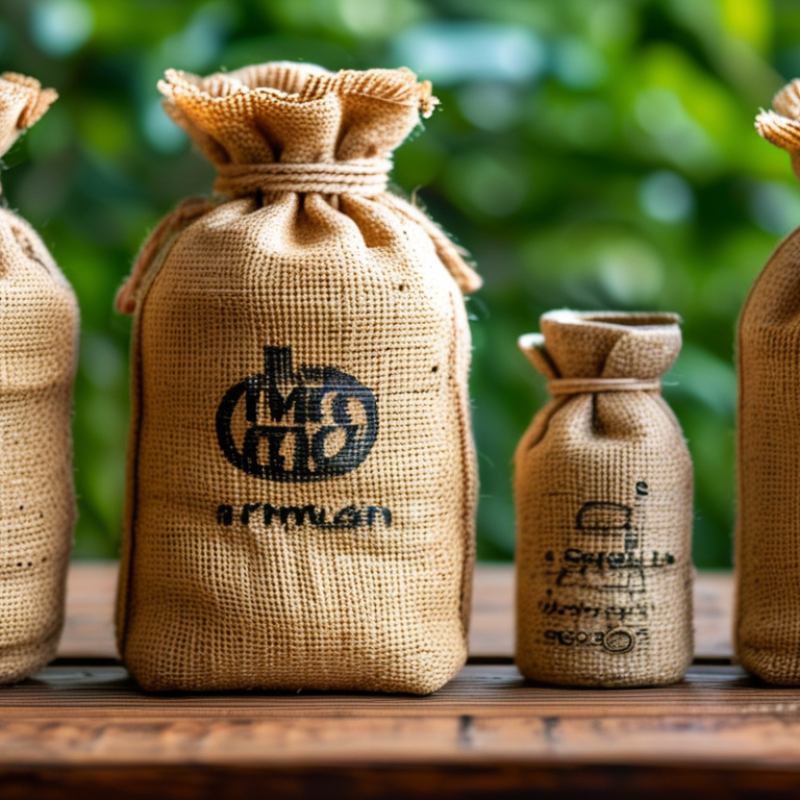
Jute bags present a sustainable alternative for eco-friendly packaging. Made from natural fibers, these bags are biodegradable and renewable. Their sturdy construction makes them ideal for various uses, from grocery shopping to promotional items. Unlike plastic, jute decomposes quickly, reducing landfill waste. This benefit appeals to environmentally conscious consumers.
While sourcing jute bags, consider the production process. Not all jute is created equal. Look for manufacturers that prioritize sustainable farming practices. Transparency in sourcing materials is crucial. Check for certifications that ensure ethical production. Some suppliers might not provide clear information, which can be a red flag.
Embracing jute bags also requires reflection on usage. While they are durable, improper care can ruin them. Consumers need to understand the need for proper maintenance. Additionally, the market for jute bags is growing, which may lead to variability in quality. Researching vendors and reviewing their practices will help ensure reliable sourcing. Balancing eco-friendliness with practicality remains a challenging endeavor.
Eco-Friendly Packaging Solutions: Jute Bags
Identifying Reliable Suppliers for Jute Bags
When sourcing jute bags for eco-friendly packaging, identifying reliable suppliers is key. Start by researching manufacturers with a strong commitment to sustainability. Look for suppliers who use organic jute and implement eco-friendly practices in their production processes. You’ll want to check their certifications, as these can indicate their adherence to environmental standards.
Engaging with potential suppliers personally can provide valuable insights. Request samples of jute bags to assess their quality. This step allows you to examine the durability, texture, and overall craftsmanship. A good supplier should be transparent about their sourcing methods and supply chain practices. Communication is crucial; responsiveness can indicate their dedication to customer service.
Another aspect to consider is customer reviews. They can reveal suppliers' reliability and product satisfaction levels. Take note of common issues, such as delays in shipping or quality discrepancies. These reflections can guide your decision and help you avoid pitfalls. By taking these steps, you can find a supplier that aligns with your eco-friendly goals while ensuring high-quality packaging solutions.
How to Source Jute Bags for Eco Friendly Packaging Solutions? - Identifying Reliable Suppliers for Jute Bags
| Supplier Location |
Minimum Order Quantity (MOQ) |
Lead Time (Days) |
Customization Options |
Certifications |
| India |
500 bags |
30 |
Print, Size, Handle Type |
GOTS, ISO 14001 |
| Bangladesh |
1000 bags |
45 |
Color, Size, Logo |
BSCI, OEKO-TEX |
| Vietnam |
300 bags |
25 |
Custom Prints |
ISO 9001 |
| China |
2000 bags |
60 |
Size, Handle Type |
FSC, SEDEX |
Evaluating Quality Standards for Jute Packaging Solutions
When evaluating quality standards for jute packaging solutions, it's crucial to understand the benchmarks in the industry. The Global Jute Market Report indicates that demand for eco-friendly jute products has risen by 12% annually, highlighting the growing preference among consumers. This trend implies that businesses should focus on sourcing high-quality jute bags that meet both environmental and durability standards.
Key quality indicators include fiber strength, texture, and eco-friendliness. A reliable jute bag should possess a tensile strength of at least 40-60 N, as specified by the Jute Association. Inspecting the bag’s weave and stitching can reveal much about its longevity. It's essential to partner with suppliers who adhere to these specifications and offer transparency about their processes.
Investing in high-quality jute packaging can enhance your brand’s reputation. Consider conducting regular quality audits on your suppliers. Ensuring they meet international standards contributes to sustainability. Sourcing locally can also reduce carbon footprints, aligning with eco-friendly goals. Stay informed about certifications like GOTS and OEKO-TEX to gauge the quality of jute bags.
Reflecting on your sourcing practices regularly can lead to better choices. Assess your current suppliers and their adherence to quality standards. This not only minimizes potential waste but also ensures you provide customers with the best eco-friendly options available.
Exploring Customization Options for Jute Bags
Customization options for jute bags can enhance your brand's identity while promoting eco-friendly practices. Jute bags are biodegradable and sustainable, making them a popular choice in packaging. According to a report by Statista, the global jute market is projected to reach over $1.2 billion by 2025, highlighting the increasing demand for jute products.
When customizing jute bags, businesses have various options. Printing logos, images, or messages on bags creates a direct connection with customers. Research by Market Research Future indicates that the preference for personalized packaging is increasing, with 70% of consumers likely to pay more for customized products. Colors, sizes, and designs can be tailored to suit specific branding needs.
However, the customization process is not without challenges. Sourcing quality jute can be difficult. Ensuring the bags are durable yet environmentally friendly is essential. Additionally, businesses need to be mindful of their suppliers' ethical practices. Building relationships with trustworthy suppliers can reduce risks. Adopting sustainable design principles while balancing functionality is key. There’s a constant need for reflection on the impact of packaging choices, ensuring they align with eco-friendly values.
Cost Analysis and Budgeting for Jute Bag Procurement
When considering jute bag procurement, effective budgeting is crucial. First, research the current market rates for jute bags. Prices may vary significantly based on quality, quantity, and supplier location. Establishing a clear budget early on helps in streamlining the selection process. It's important to account for potential fluctuations in costs due to factors like material availability or shipping delays.
Next, explore potential suppliers thoroughly. Gather quotes from multiple vendors to compare pricing. Don't just focus on the lowest costs. Assess the reliability and reputation of each supplier. Sometimes, slightly higher prices from trustworthy suppliers ensure better quality and timely delivery. Additionally, consider bulk purchasing to negotiate more favorable rates.
Reflect on the environmental impact as well. Choosing eco-friendly options may come with higher initial costs but can lead to long-term savings. The branding benefits of using sustainable packaging can enhance customer loyalty. Balancing cost with ecological responsibility requires a thoughtful approach, aligning your business goals with sustainable practices.