What is Suction Hopper and How Does It Work?
The Suction Hopper is an essential component in the dredging industry. Its primary function is to efficiently collect and transport sediment from the seabed. According to industry reports, the global dredging market is expected to reach $30 billion by 2025. This surge highlights the importance of reliable equipment like the Suction Hopper.
In operation, the Suction Hopper uses hydraulic pumps and suction mechanisms to lift materials. This system allows for a more precise selection of dredged materials. Additionally, environmental regulations require that sediment collection techniques minimize ecosystem disturbance. The Suction Hopper has shown a capacity to adapt to these requirements.
However, challenges remain. Operators must regularly maintain these machines to ensure efficiency. Reports indicate that up to 20% of downtime in dredging operations is due to equipment failure. This underscores the need for constant innovation and improvement in Suction Hopper technology.
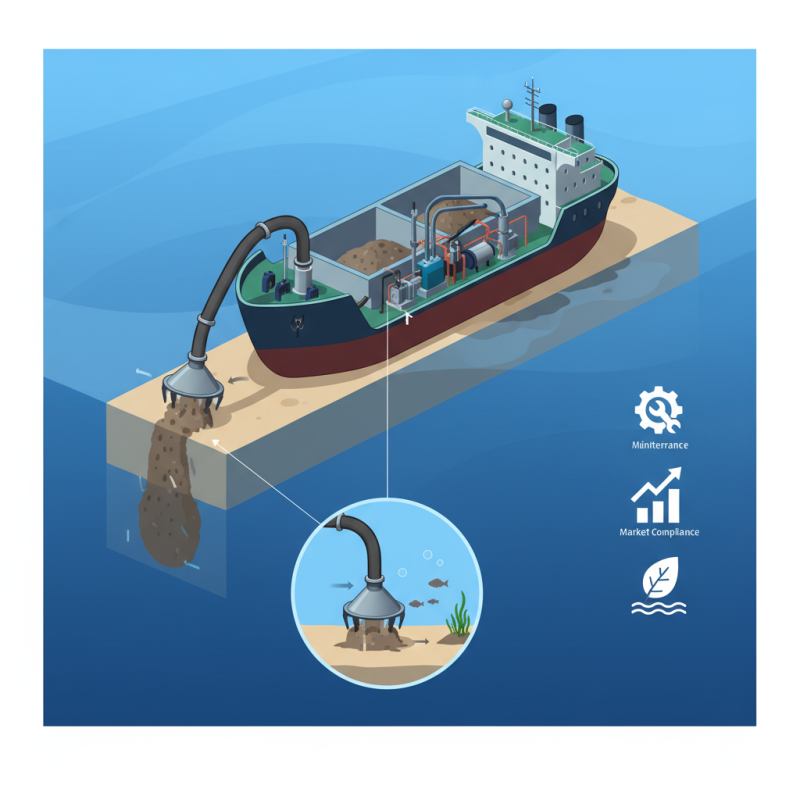
Definition and Overview of Suction Hoppers in Dredging Operations
Suction hoppers are essential tools in dredging operations, designed to efficiently remove sediment from waterways. These vessels utilize a suction mechanism to collect material from the seabed. When the suction hopper’s intake is activated, water and sediment are drawn into the hopper, allowing for quick and effective dredging. According to the International Association of Dredging Companies, approximately 75% of all dredging activity utilizes this technology.
The efficiency of suction hoppers is significant. They have the ability to dredge at rates exceeding 10,000 cubic meters per hour. This makes them suitable for large-scale projects like harbor expansions and beach nourishment. However, the complexity of the operation can sometimes lead to inefficiencies, such as clogging of the intake system. Proper maintenance and monitoring systems are crucial to ensure peak performance.
Tip: Regularly inspect the suction head and hoses. This proactive approach can prevent blockages and extend equipment life.
Another factor to consider is the environmental impact of dredging. While suction hoppers are designed to minimize disturbance, sediment resuspension can occur. This can affect local marine ecosystems. Understanding the local environment is essential to address potential issues.
Tip: Always conduct a site assessment before starting dredging operations. This ensures compliance with environmental regulations and helps prevent unintended consequences.
Key Components and Technologies Utilized in Suction Hoppers
Suction hoppers play a crucial role in marine and dredging operations. They are designed to collect and transport sediment from underwater. The efficiency of these systems relies heavily on their key components and technologies.
At the heart of a suction hopper is a powerful pump. This pump creates a vacuum that draws in sand and silt. Additionally, a set of suction pipes ensures that material is efficiently funneled into the hopper. Effective design of these pipes is essential for optimal performance. The materials used must withstand harsh marine environments. Corrosion-resistant alloys are often the choice here.
Another important aspect is the navigation and control systems integrated into suction hoppers. These technologies allow operators to monitor performance in real-time. Sensors measure depth and flow rate, providing vital data. However, these systems are not infallible. Occasionally, the data can be inaccurate due to underwater conditions. This uncertainty requires careful analysis and a proactive approach from operators. Investing in advanced technology can mitigate some risks but not all. The challenge lies in balancing innovation with practical execution.
Operational Mechanism: How Suction Hoppers Function in Marine Dredging
Suction hoppers play a crucial role in marine dredging operations. These specialized vessels use a powerful suction mechanism to collect sediment from the seabed. The process begins when the hopper is positioned over an area to be dredged. The suction pipe, equipped with a draghead, is lowered to the seabed. When activated, the suction pump creates a vacuum that draws in sediment and water, allowing the material to fill the hopper's containment area.
Operational efficiency is key. Studies show that suction hoppers can remove large volumes of sediment at rates exceeding 15,000 cubic meters per hour. This makes them essential for maintaining shipping channels and preventing sediment buildup. However, there are challenges. The sediment type can affect the dredging efficiency. Cohesive materials require more energy to dislodge, which can slow down operations. Additionally, environmental factors must be considered to minimize impacts on marine ecosystems.
Tips:
- Regular maintenance of the suction system allows for better performance and longevity.
- Understanding sediment characteristics can improve operational tactics.
- Monitor environmental regulations to ensure compliance during projects.
In practice, suction hoppers face limitations. Operators often struggle with sediment that is too compact or too viscous. Balancing efficiency and environmental stewardship remains a challenge in the industry. Attention to detail and proactive strategies can mitigate these issues.
Performance Metrics: Capacity and Efficiency of Suction Hoppers in Use
Suction hoppers play a critical role in dredging operations. They are designed to efficiently collect and transport sediment. Performance metrics, such as capacity and efficiency, are essential for evaluating their effectiveness. Studies indicate that modern suction hoppers have capacities ranging from 500 to 5,000 cubic meters. This varies based on the size and design of the hopper.
Efficiency is another crucial metric. Many suction hoppers achieve operational efficiency rates of around 85%. However, conditions like water depth and soil type can affect these figures. Research suggests that optimizing dredging parameters can further increase efficiency. This can result in better production rates, leading to time and cost savings.
Tips: Regular maintenance is key. Check the pump and discharge systems frequently to avoid performance drops. Consider performing efficiency audits to assess your suction hopper's performance. Implementing small changes can lead to significant improvements, particularly in varying marine conditions.
Suction Hopper Performance Metrics
Environmental Considerations and Regulations Impacting Suction Hoppers
Suction hoppers play a crucial role in sediment management, especially in marine environments. These vessels collect dredged material, but their operation doesn't come without environmental impacts. Regulations are vital in mitigating these effects. Authorities often emphasize minimizing disturbance to marine ecosystems. Proper adherence to guidelines ensures the responsible use of suction hoppers.
Environmental considerations include sediment dispersion. When dredging, fine particles can cloud waters, affecting light penetration. This, in turn, disrupts photosynthesis in aquatic plants. Regulators require detailed assessments of potential impacts before operations commence. Monitoring programs help track changes in water quality.
While suction hoppers are essential for dredging projects, a balance is necessary. The technology can be efficient, yet concerns about biodiversity and habitat destruction persist. Operators must reflect on these issues and strive for best practices. Emphasizing sustainable methods can lead to better outcomes for the environment.