
• Home
  • About
    • jute Bag

      Eco-Chic and Durable – Perfect for Sustainable Living.

      Cashew Nut Bag

      Sustainable jute bag for lasting cashew nut freshness

      Cocoa Bag

      Eco-friendly jute bag for rich cocoa flavor preservation

      Coffee Bag

      Elegant, durable jute bag to keep coffee beans fresh and eco-friendly

      Hazel Nut Bag

      Eco-conscious jute bag for hazelnut freshness and quality

      Shea Nut Bag

      Durable jute bag for fresh, organic shea nuts

      Tote Bag

      Stylish, eco-friendly jute tote for daily essentials

      Wheat Bag

      Sustainable jute bag for optimal wheat freshness

    • Jute Yarn

      Eco-Chic and Durable – Perfect for Sustainable Living.

      Jute Rope

      Sustainable jute bag for lasting cashew nut freshness

      Jute Fabrics

      Eco-friendly jute bag for rich cocoa flavor preservation

      Hessian cloth

      Sustainable Hessian cloth suppliers

  • Products
  • Export Country
  • Blog

10 Tips to Choose the Right Printed Carton Box?

Choosing the right Printed Carton Box is more than selecting attractive artwork. It is a practical decision involving protection, shelf appeal, production efficiency, and environmental responsibility. A box that feels premium may still crush during transit. A cheaper option may create waste, returns, or damaged products. The details matter: board grade, folding style, coating, ink performance, dimensions, and opening experience.

Industry data shows why this decision deserves careful attention. Smithers’ market research expects the global folding carton market to exceed 200 billion dollars within the next several years, driven by food, healthcare, cosmetics, and e-commerce packaging. The Paper and Packaging Board also reports that paper-based packaging remains highly valued for its recyclability and familiar consumer experience. However, recyclability depends on material choices, coatings, adhesives, and local recovery systems. Marketing claims alone are not enough.

Walter Soroka, author of Fundamentals of Packaging Technology, defines packaging as “the science, art, and technology of enclosing and protecting products for distribution, storage, sale, and use.” That definition remains useful when reviewing a Printed Carton Box. Protection comes first. Appearance follows closely. A successful carton should survive handling, communicate clearly, and fit the product without excessive empty space. It should also support responsible disposal.

There is no perfect carton.

The following ten tips examine the decisions behind reliable carton selection. They cover structural strength, print quality, sustainability, supplier checks, and cost control. Some recommendations may seem obvious. They are often missed. Even experienced buyers should test assumptions, because a beautiful sample is not proof of dependable mass production.
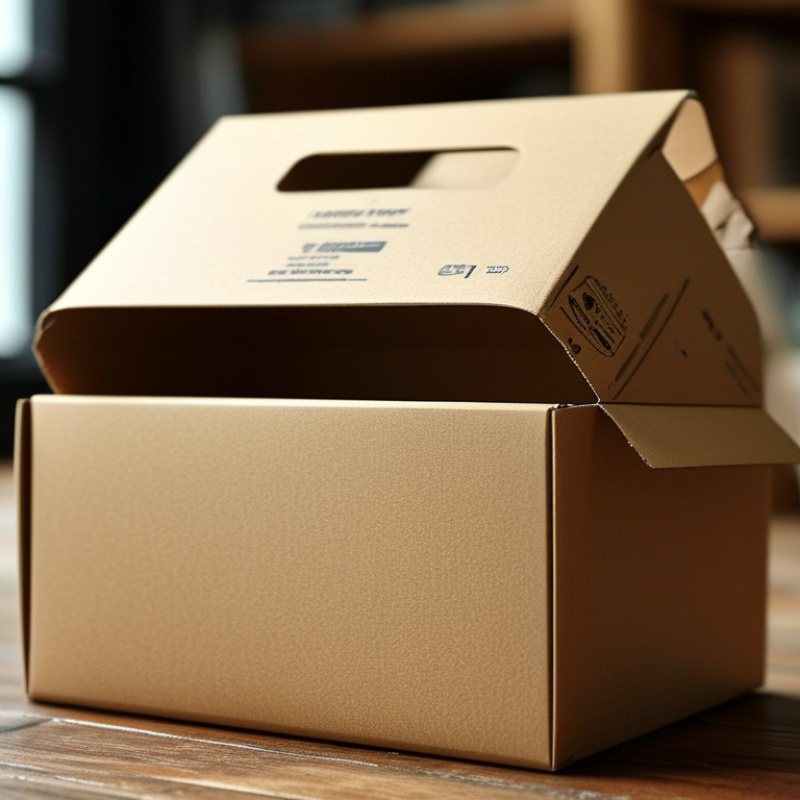
10 Tips to Choose the Right Printed Carton Box?

Define the Product and Its Packaging Requirements

10 Tips to Choose the Right Printed Carton Box?

Define the Product and Its Packaging Requirements

A carton should begin with the product, not the artwork. Record its length, width, height, weight, and center of gravity. Note fragile points, sharp edges, liquid risks, and temperature exposure. A ceramic cup needs cushioning around its rim. A compact electronic item may need anti-static protection and moisture control. Small details matter.

Smithers’ report, The Future of Global Corrugated Packaging to 2028, forecasts the global corrugated packaging market will reach about 205.8 billion US dollars by 2028. This growth reflects stronger demand for efficient shipping and retail presentation. Yet a larger market does not make every carton suitable. Packaging engineers should test compression, vibration, drops, and stacking before approving a printed structure. Do not trust appearance alone.

Think about the complete delivery route. A carton shipped through parcel networks may face repeated handling, while a store-packed carton may need stronger shelf presence. Measure the product after adding protective inserts. Then allow enough clearance for assembly without creating movement. Too much empty space increases material use and may invite impact damage. Too little space creates pressure points. Both mistakes happen.

The International Safe Transit Association recommends performance testing that reflects real distribution hazards. Use those principles when defining the test plan, but adapt them to your product’s actual route. A recycled board grade may reduce environmental impact, yet its strength can change with humidity. That assumption needs checking. Printed color, coating, adhesive choice, and opening style should follow the product’s protection requirements, not replace them.

Select the Appropriate Carton Material and Board Grade

Selecting carton material is not a cosmetic choice. It controls compression, moisture resistance, print quality, and recovery. Start with product weight, stacking time, route humidity, and handling risks. Kraft liner usually offers stronger fibers, while recycled test liner can reduce cost and resource use. The choice is not automatically better.

Board grade needs measurable targets. Use ECT for edge compression and BCT for whole-box performance. A heavier board may not protect a poorly designed box. Match the flute profile to product fragility and cushioning needs. For damp warehouses, consider moisture-resistant treatment, but verify recyclability and coating limits. CEPI’s 2023 Monitoring Report recorded an 80.5% paper recycling rate in Europe during 2022. However, this figure covers paper broadly, not every carton. That distinction is easy to miss.

Smithers’ corrugated packaging analysis projects continued global growth through 2028, increasing pressure to use fiber efficiently. Ask suppliers for basis weight, ECT, burst strength, moisture resistance, and recycled-content data. Request test samples. Drop-test them after cold storage and compression. A practical trial often exposes weak corners or crushed flutes. Do not choose by board weight alone. It sounds simple. It is not.

10 Tips to Choose the Right Printed Carton Box

Select the Appropriate Carton Material and Board Grade

Corrugated board thickness influences cushioning, stacking strength, print appearance, and storage efficiency. E-flute is commonly selected for small retail cartons and sharper printing, while B- and C-flute provide progressively greater protection. BC double-wall board is suitable for heavier products and higher stacking loads.

The values shown are typical nominal flute heights used in corrugated packaging. Actual board thickness depends on paper weights, moisture, compression, and supplier specifications.

Determine Box Dimensions, Structure, and Protection Needs

10 Tips to Choose the Right Printed Carton Box

Box dimensions should start with the product, not the artwork. Measure length, width, and height after assembly. Include inserts, seals, and natural movement during transport. A carton that is too tight may crush corners. An oversized box wastes board and increases internal shifting. The U.S. EPA’s 2018 Facts and Figures reported 82.2 million tons of containers and packaging in municipal solid waste. That represents 28.1% of total generation. Smaller, accurate dimensions can reduce material use. Sometimes, less space protects better.

Structure must match the product’s actual risks. Heavy items may need double-wall corrugated board or reinforced edges. Fragile products need partitions, cushioning, and controlled movement. A folding carton alone rarely protects glass or precision components during rough handling. Review compression strength, board flute, crease placement, and stacking height with a packaging engineer. Then test filled cartons through vibration, impact, and compression conditions. ISTA transit-testing guidance provides a practical framework for these evaluations. Do not trust an attractive sample. Printed surfaces can hide weak folds. UNEP’s Global Waste Management Outlook 2024 projects municipal solid waste could reach 3.8 billion tonnes annually by 2050. That makes material efficiency important, but removing protection too aggressively can create product damage and replacement waste. Recheck the design after real shipping trials. Human handling is unpredictable.

Choose Printing Methods, Finishes, and Brand Elements

Choosing a printed carton is a packaging decision, not merely a design exercise.

Tip one: match the printing method to quantity and artwork. Digital printing suits short runs and variable details. Offset printing supports sharp images and stable colors at scale.

Tip two: check board compatibility before approving artwork.

Tip three: request a physical proof, because screens often hide muted reds or fine text.

Tip four: define color tolerances with your converter, not vague promises.

Tip five: select finishes according to handling conditions. A matte coating reduces glare, while gloss can strengthen shelf impact.

Tip six: use spot coating to guide attention toward a logo or product image.

Tip seven: reserve foil, embossing, or debossing for small areas. Too many effects can make a carton feel noisy.

I have seen attractive samples lose clarity after folding. That mistake is easy to repeat.

Tip eight: place brand elements where customers naturally look. Keep the logo, product name, and key claim readable from a short distance.

Tip nine: test contrast on the actual carton color. Kraft board can shift pale inks noticeably.

Tip ten: inspect a folded production sample, including seams, corners, and barcode readability. Ask for documented ink, coating, and board specifications.

If recycled content matters, verify the supplier’s evidence rather than relying on a casual statement. The best choice may still need revision.

Assess Quality, Cost, Sustainability, and Supplier Reliability

Choose board strength before chasing appearance. A carton should survive stacking, vibration, and a damp warehouse. Request compression and edge-crush test results from the supplier. Inspect printed samples under natural light, not only bright showroom lamps. Check color consistency across several production batches. Small differences matter on shelves.

Compare total cost, not just the unit price. Include plates, tooling, freight, storage, and rejected cartons. Ask whether recycled content affects strength or print quality. Confirm responsible fiber sourcing through recognized chain-of-custody documentation. Reduce empty space to lower material use and shipping emissions. Test water-based or lower-impact inks when suitable. Sustainability needs evidence.

Visit the production site if possible. A clean floor and controlled humidity reveal useful habits. Ask for a written quality specification. Clarify inspection points, tolerances, and approval procedures. Check whether the supplier can provide a pilot run before full production. Review delivery records and realistic lead times. Ask how delays are communicated. Request references from comparable packaging projects.

I once underestimated seasonal demand; the cartons looked excellent, but the late delivery disrupted packing schedules.

Leave safety stock for uncertain periods. A dependable supplier admits limitations early, although that honesty may initially sound inconvenient.

Shopping Basket