Top 10 Bio-based Food Containers in China for Global Buyers?
The rise of eco-conscious consumerism has sparked a significant demand for sustainable packaging solutions globally. One innovative option gaining traction is bio-based food containers. These containers, made from renewable resources, offer an environmentally friendly alternative to traditional plastics. According to a recent report by MarketsandMarkets, the bio-based packaging market is projected to reach $29.8 billion by 2026, highlighting the growing interest in sustainable materials.
China stands at the forefront of this movement, emerging as a key player in manufacturing bio-based food containers. The country's investments in green technology and sustainable practices position it as an attractive hub for global buyers. However, there are challenges. The market is still evolving, and many products require further innovation to enhance their properties and usability.
As consumers become more aware of environmental issues, the preference for bio-based food containers is expected to accelerate. Buyers are seeking reliable suppliers who adhere to quality and sustainability standards. Ultimately, understanding both the opportunities and the limitations within this sector will be vital for making informed purchasing decisions in the years to come.
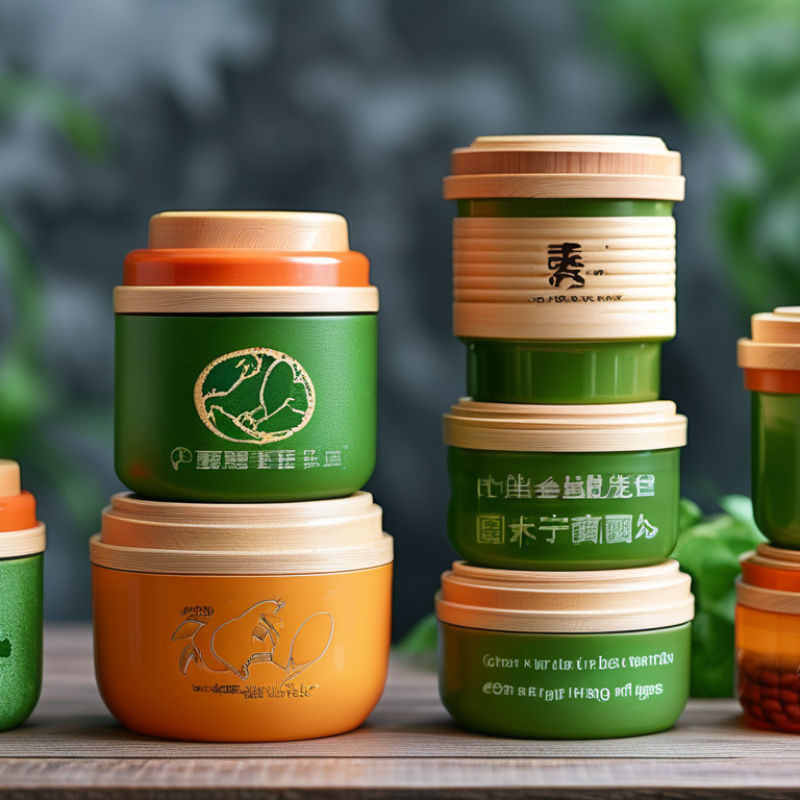
Overview of Bio-based Food Containers in China
Bio-based food containers are gaining traction in China. This shift aligns with global sustainability goals. They are made from renewable resources, unlike traditional plastics. These containers help reduce plastic waste and carbon footprints.
Chinese companies focus on innovative designs. Some use plant-based materials like cornstarch and sugarcane. These materials are biodegradable and compostable, making them environmentally friendly. Many products are lightweight yet durable. However, the production processes can still improve in terms of energy efficiency.
Consumer awareness of sustainability is rising. Many buyers are looking for eco-friendly options. Companies face the challenge of balancing quality and cost. Some bio-based containers may not yet meet all consumer expectations. There is room for improvement in their performance under various conditions. This calls for ongoing research and development in the field.
Key Features of Bio-based Materials Used in Food Packaging
Bio-based materials are gaining traction in the food packaging industry. These materials come from renewable resources, presenting a sustainable alternative to traditional plastics. According to a recent industry report, the global bio-based packaging market is projected to grow significantly, with an expected compound annual growth rate (CAGR) of 14% by 2027. This growth is driven by increasing consumer demand for environmentally friendly products.
Key features of bio-based materials include their biodegradability and lower carbon footprint compared to conventional packaging. For instance, materials derived from plant sources can break down within months in composting conditions, unlike traditional plastics that may take years. Additionally, many bio-based containers demonstrate excellent barrier properties, ensuring food freshness and safety. However, the production of these materials can still face challenges. Sourcing raw materials sustainably is crucial. Some bio-based options may compete with food production, raising ethical concerns.
While the advantages are clear, the scalability of bio-based packaging remains a topic for reflection. As global demand increases, producers must navigate supply chain issues and cost challenges. These materials can be more expensive than their petroleum-based counterparts. Ultimately, advancing technology and sustainable practices will play pivotal roles in the future of bio-based food packaging in China and beyond.
Leading Manufacturers of Bio-based Food Containers in China
China has become a significant player in the bio-based food container industry. According to a recent market analysis, the global demand for bioplastics is expected to reach 6 million tons by 2026, with a notable portion driven by China’s manufacturing capabilities. Leading manufacturers in this sector focus on sustainable materials that lessen environmental impact. These companies emphasize innovation, developing containers made from renewable sources like cornstarch and sugarcane.
Tips: When exploring suppliers, ensure that they meet international sustainability certifications. This can be a sign of reliability. Look for companies that invest in R&D. Continuous innovation is crucial in the bio-based market.
Quality and safety remain paramount in bio-based food containers. Data show that consumers increasingly prefer products with eco-friendly packaging. This shift drives manufacturers to adopt biodegradable options. However, some challenges persist. Not all bio-based materials perform equally under various conditions. Some may struggle to meet durability standards required for food storage.
Tips: It's wise to check product reviews and performance data. This feedback can guide your purchasing choices. Investing time in researching manufacturers can yield significant benefits.
Top 10 Bio-based Food Containers in China for Global Buyers
Market Trends and Consumer Preferences for Eco-friendly Packaging
China is witnessing a significant shift towards eco-friendly packaging. Consumers increasingly prefer bio-based food containers over traditional plastic options. A report from the China Packaging Federation indicates that the market for sustainable packaging is expected to grow by 30% annually through 2025. This trend is driven not just by environmental awareness but also by a desire for safer food storage.
Interestingly, while consumer interest is high, the availability of truly sustainable options remains limited. Many products labeled as biodegradable do not meet expected environmental standards. A survey by Nielsen found that 75% of consumers want information about the recyclability of packaging. Yet, confusion about what is truly eco-friendly persists. This indicates a gap between consumer demand and product reality, signaling a need for clearer labeling and education.
Furthermore, the cost of bio-based materials can be higher than conventional plastics, which creates a barrier for wider adoption. Many buyers are willing to pay more for sustainable options, yet the price sensitivity remains. A study by Euromonitor International revealed that 60% of consumers would choose a product with eco-friendly packaging, provided the price difference is within 10%. This data suggests a need for investment in innovations to make bio-based containers more accessible.
Regulatory Standards and Certifications for Bio-based Containers in China
In recent years, the demand for bio-based food containers in China has surged. This trend aligns with the global push for sustainable packaging solutions. However, buyers must navigate complex regulatory standards and certifications. Understanding these regulations is crucial for compliance and market entry.
China's regulations on bio-based containers primarily relate to material composition and environmental impact. The Ministry of Ecology and Environment oversees these standards. Containers must comply with specific criteria to qualify as bio-based. Certification processes vary, often requiring thorough testing and documentation.
Tips: Always verify the certification status of suppliers. Seek documentation before making purchasing decisions.
Additionally, while many manufacturers strive for compliance, gaps often exist. Some products may not meet all regulatory standards despite certifications. This highlights the importance of diligent sourcing and due diligence.
Tips: Conduct audits to ensure compliance. Don’t solely rely on documents; physical inspections can reveal inconsistencies.
The landscape of bio-based food containers in China is evolving, but challenges remain. Staying informed about regulatory changes will empower global buyers to make better decisions.