Top Foot Scrub Suppliers for Global Buyers
Global buyers comparing Foot Scrub suppliers need more than attractive packaging and a low quoted price. A reliable sourcing decision starts with clear product specifications. Check the exfoliant type, particle consistency, fragrance options, container size, minimum order quantity, and stated production lead time. Details matter.
Mara Chen, a fictional foot-care sourcing specialist included here as an illustrative voice, puts the principle this way: “A dependable Foot Scrub supplier earns trust through repeatable batches, not polished brochures.” Buyers can test that idea by requesting samples from shortlisted manufacturers and comparing texture, scent, spreadability, and packaging quality. Ask how suppliers document batch consistency and handle changes to ingredients or production. A sample is useful, but it cannot guarantee every future order will feel identical.
This guide looks at suppliers through a practical procurement lens: product range, manufacturing capabilities, communication, quality documentation, and capacity for larger orders. Buyers should also confirm that product claims and required documentation fit their intended markets; requirements can vary. A neat catalogue is not proof of dependable service. Nor is a long supplier list a substitute for careful verification. Even a thorough review has limits, so start with manageable orders where possible and record what each sample actually shows.
What Foot Scrubs Are and How They Are Used
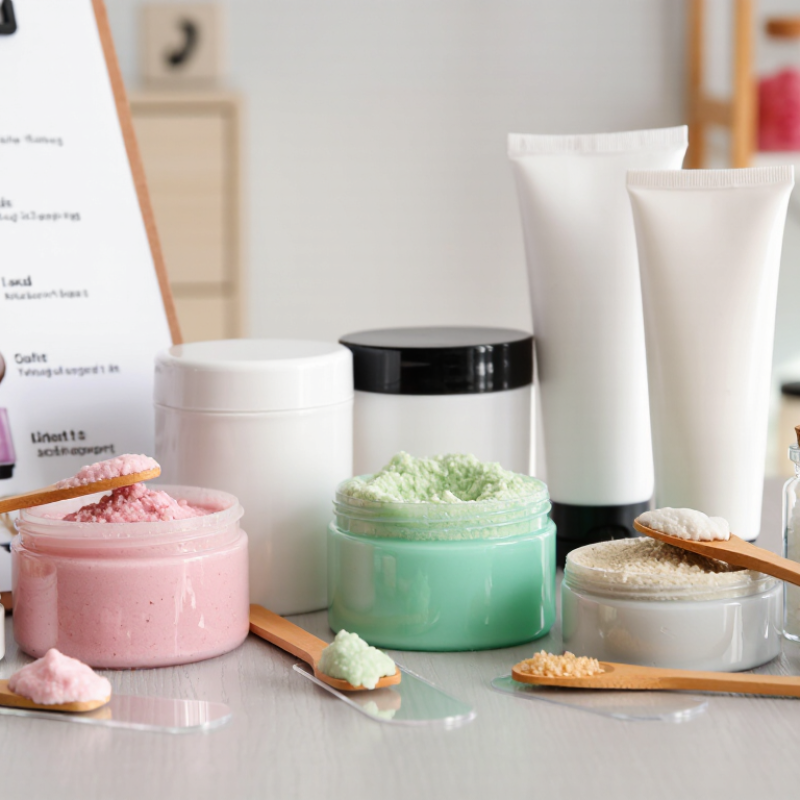
A foot scrub is a rinse-off product that helps loosen surface flakes and smooth rough-feeling skin. It usually combines exfoliating particles, such as sugar or finely ground minerals, with a creamy or oily base. The grains provide friction; the base helps the product spread across damp skin. Some formulas feel coarse, while others have a finer, gentler texture. That difference matters: a scrub that feels pleasant on a hand may be too abrasive for sensitive feet. For buyers comparing suppliers, particle size, consistency, rinseability, and clear directions are practical details to check.
Use a small amount on wet feet, then massage gently over heels and soles for a short time. Less pressure works. Rinse thoroughly and pat the skin dry, especially between the toes. Avoid scrubbing cracked, irritated, or recently injured skin. People with reduced foot sensation or circulation concerns should ask a healthcare professional before exfoliating. Patch test first. It is also worth remembering that a scrub cannot repair deep cracks or treat a skin condition. More friction is not always better, though packaging and marketing can make vigorous scrubbing sound appealing. A mild routine, used occasionally and adjusted to how the skin responds, is often the more sensible approach.
Key Criteria for Evaluating Foot Scrub Suppliers
Top Foot Scrub Suppliers for Global Buyers
Key Criteria for Evaluating Foot Scrub Suppliers
A dependable supplier should show more than attractive samples. Ask for the full ingredient specification, batch test results, stability data, and packaging compatibility records. Check that records connect each finished lot to its raw materials. ISO 22716 provides guidance for cosmetic good manufacturing practices, so ask how the supplier applies it on the production floor. Grand View Research estimated the global foot care products market at USD 3.06 billion in 2023, with projected growth through 2030. That expansion makes capacity and quality consistency important. A polished audit file is useful, but it cannot replace checking actual production controls.
Compare suppliers using practical details: minimum order quantities, lead times, sample turnaround, and procedures for handling complaints or out-of-specification batches. Request recent certificates of analysis and confirm that testing matches the scrub’s formula, including its exfoliating particles and preservation system. Review export documents for your destination markets. Then speak with a technical contact, not only a sales representative. Small details matter. One weak point is that a sample may feel excellent while later batches vary in texture or fragrance. Ask how batch-to-batch consistency is monitored.
Tip: Test samples after storage in the intended packaging. Record grit, scent, color, and ease of rinsing at set intervals. Keep the comparison simple and repeatable. A short trial can reveal issues that a brochure will not.
Top Foot Scrub Suppliers for Global Buyers
Key Criteria for Evaluating Foot Scrub Suppliers
Suggested buyer-planning weights, not market statistics. Prioritize product safety and regulatory documentation, then assess quality consistency, production capacity, delivery reliability, customization, and sustainability. Adjust the weights to fit your market and sourcing needs.
How Buyers Can Compare Products, Pricing, and Certifications
When comparing foot scrub suppliers, request samples and test them under the same conditions. Note how quickly the scrub spreads, whether particles feel too abrasive, and how easily it rinses from damp skin. Small details matter. Ask for the full ingredient list, particle type, fragrance information, and packaging specifications. A jar that looks similar online may feel very different in use.
Compare prices by usable quantity, not just the quoted unit cost. Include minimum order volume, sample fees, packaging, freight, and expected lead time in your calculation. Ask whether pricing changes with larger orders, and get the terms in writing. For certifications, check the document’s issuer, scope, and expiry date rather than relying on a logo in a sales brochure. Depending on the product and market, buyers may also request relevant quality-management documentation, batch test results, or evidence of cosmetic manufacturing controls. Verify that records match the supplier’s facility and product type. A certificate alone does not prove every batch is consistent. There is no perfect shortcut here. Keep a comparison sheet, record sample observations, and ask suppliers to explain any missing or unclear documentation before placing a large order.
Global Sourcing, Shipping, and Supplier Communication
Top Foot Scrub Suppliers for Global Buyers
Global sourcing starts with a clear product brief. Specify scrub texture, ingredient preferences, packaging size, and expected order volume. Ask suppliers for current specifications and a sample before discussing large quantities. A sample can reveal grain consistency, scent strength, and whether the packaging feels secure. A polished catalog is useful, but it is not proof of dependable production. That distinction is easy to overlook.
Shipping plans need practical details. Confirm carton dimensions, gross weight, production lead time, and the proposed shipping method. Ask how the supplier protects jars or tubes from leaks and crushing. Request a written schedule with production, inspection, and dispatch dates. Delays can happen, so agree on how updates will be shared and who handles each issue. Keep communication in one email thread when possible. Small details matter. Review documents carefully and check that product descriptions match the goods and shipment records.
Tips: Send short, specific questions and ask for written answers. Confirm quantities, dates, and packaging details before approving an order. Save sample notes and shipment updates in a shared file. If a response is vague, ask again; it may feel repetitive, but guessing is worse. A simple checklist can prevent avoidable confusion.