Top 10 Jute Products Buyers Need To Know About
Jute products are at the forefront of sustainable materials in the global market. With the increasing demand for eco-friendly options, the jute industry is experiencing significant growth. According to a recent report by the International Jute Study Group, the global market for jute products is projected to surpass $1 billion by 2025. This highlights the rising popularity and potential of jute as a viable alternative to synthetic materials.
Jute fibers are known for their durability and biodegradability. They are used in a variety of applications, from bags to home decor. The versatility of jute products appeals to consumers seeking sustainable and stylish choices. However, the industry faces challenges such as inconsistent quality and competition from cheaper synthetic materials. This calls for buyers to educate themselves on the best jute products available.
Understanding the key jute products can help buyers make informed decisions. This article will explore the top ten essential jute products that everyone should know. As more consumers embrace sustainability, the future of jute looks promising yet requires careful consideration.
The Rising Demand for Jute Products in Global Markets
The rising demand for jute products in global markets reflects a growing consciousness about sustainability. Jute is a biodegradable fiber that offers an eco-friendly alternative to synthetic materials. As consumers become more environmentally aware, the appeal of jute continues to grow. This shift is evident in various sectors, including fashion and packaging, where brands seek to reduce their carbon footprint.
Tips for those looking to explore jute products:
- Consider the quality of the jute. Not all jute is created equal; look for high-grade fibers.
- Ensure the products are made using environmentally friendly practices.
- Support brands that prioritize sustainability in their manufacturing processes.
- You might find jute products in innovative forms, which could surprise you.
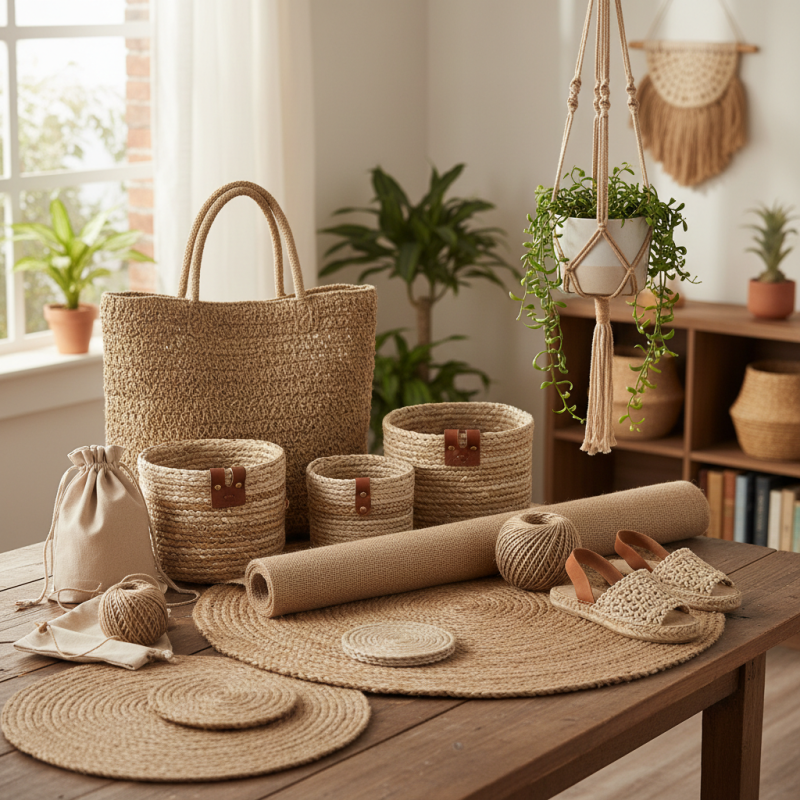
Jute's versatility also plays a role in its popularity. From bags to home decor items, there’s something for everyone. Yet, some consumers might hesitate due to misconceptions about durability. It’s essential to know that when crafted well, jute products can last a long time. Understanding the benefits and versatility of jute can help buyers make informed choices.
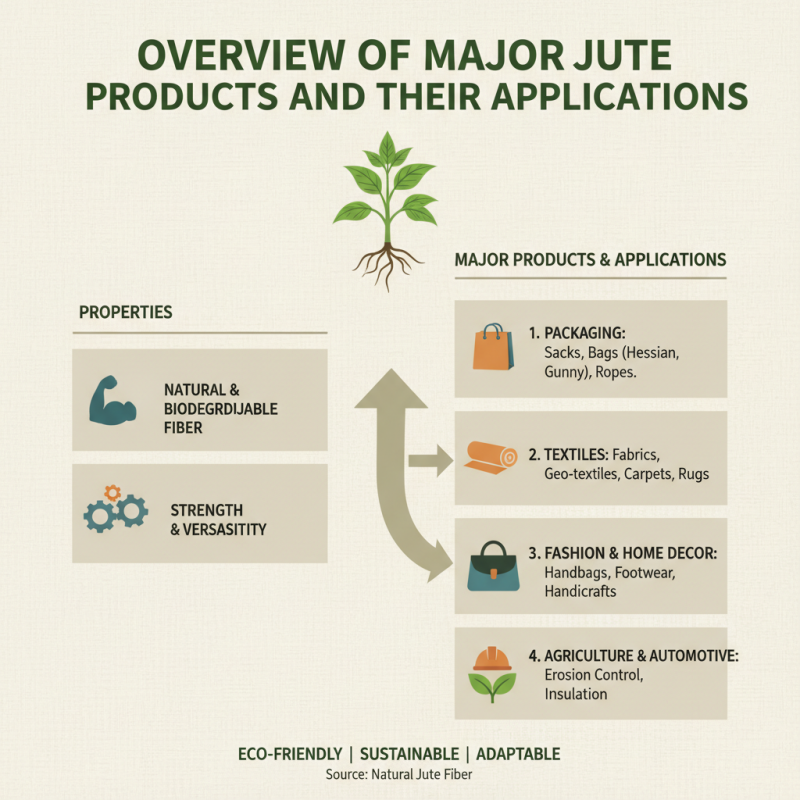
Overview of Major Jute Products and Their Applications
Jute, a natural and biodegradable fiber, has gained popularity in various applications. It is known for its strength and versatility. Jute products serve many industries, from packaging to fashion.
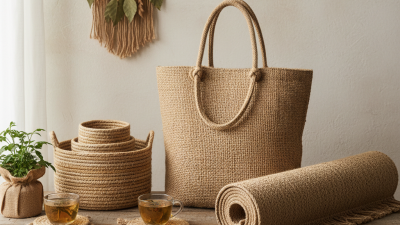
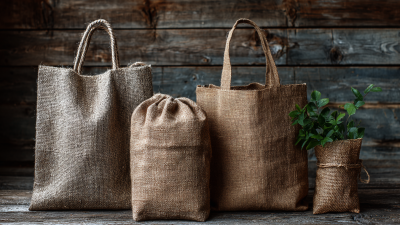
One of the most common jute applications is in the production of bags. These bags are sturdy and eco-friendly, making them ideal for shopping or storage. Additionally, jute rugs have become a favorite for home decor. They offer a rustic look and are durable, perfect for high-traffic areas. Notably, jute furniture, such as chairs and tables, showcases the fiber's unique texture and elegance.
Despite its advantages, the jute industry faces challenges. The fiber can be prone to damage from moisture if not processed properly. Moreover, consistency in quality remains an issue for manufacturers. Buyers need to be aware of these factors when sourcing jute products. Understanding these intricacies can enhance their purchasing decisions.
Key Benefits of Using Jute Products: Environmental and Economic Impact
Jute products are increasingly recognized for their environmental and economic benefits. According to the Jute World Market Report, the global jute market is projected to grow by 12% annually. This increase highlights the rising demand for sustainable materials in various sectors. Jute fibers are biodegradable, ensuring minimal environmental impact upon disposal. They decompose within six months, unlike synthetic alternatives, which can take hundreds of years.
In addition to their eco-friendliness, jute products also bolster local economies. Farmers benefit from cultivating jute, as it requires less chemical input compared to cotton. The International Jute Study Group estimates that jute can provide employment for about 4 million people globally. This figure underscores the crop’s role as a vital economic resource in rural areas, allowing communities to thrive while supporting sustainable practices.
However, there are challenges in the jute industry. Fluctuations in climate can affect crop yields, impeding consistent supply. The lack of modern processing facilities further complicates the situation, leading to quality inconsistencies. These issues provide areas for improvement, encouraging stakeholders to innovate in production and processing methods. Despite these challenges, the potential benefits of jute continue to make it an attractive option for environmentally conscious consumers.
Top 10 Jute Products Buyers Need To Know About - Key Benefits of Using Jute Products
| Product Type |
Environmental Benefits |
Economic Impact |
Durability |
| Jute Bags |
Biodegradable and renewable resource |
Support local economies and fair trade |
Very durable, lasts for years |
| Jute Carpets |
Sustainable flooring option |
Promotes handmade craftsmanship |
High wear resistance |
| Jute Twine |
Biodegradable and eco-friendly |
Cost-effective for agricultural use |
Strong and reliable |
| Jute Rugs |
Natural insulation properties |
Supports artisan workers |
Durably crafted for longevity |
| Jute Packaging |
Reduces plastic waste |
Affordable and versatile for businesses |
Strong and effective for shipping |
| Jute Crafts |
Encourages sustainable artistry |
Boosts local creativity and business |
Varied durability based on craftsmanship |
| Jute Furniture |
Natural and sustainable material |
Innovative design can enhance market value |
Sturdy and well-constructed |
| Jute Curtains |
Eco-friendly window dressing |
Enhances interior design aesthetics |
Long-lasting fabric |
| Jute Storage Solutions |
Promotes eco-friendly storage |
Affordable storage alternatives |
Resilient and practical |
Market Trends: Statistics on Jute Product Consumption in 2023
In 2023, the demand for jute products continues to rise. This surge reflects a growing awareness of sustainable materials in various industries. Jute, known for its biodegradability, is becoming a go-to choice for eco-conscious consumers. Statistics show that jute product consumption has increased by nearly 20% compared to last year. This trend signals a substantial shift toward sustainable practices in both fashion and home goods.
Market analysis reveals interesting insights. The textile sector leads the consumption chart, particularly in bags and rugs. Jute bags are favored for their durability and style. Meanwhile, the furniture industry is exploring new designs, integrating jute as an appealing option. However, challenges remain. Not all manufacturers adhere to sustainable practices, raising concerns about authenticity. Transparent sourcing will be crucial for the industry’s credibility.
Moreover, consumer preferences are evolving. Shoppers increasingly seek products with low environmental impact. Yet, awareness of jute’s benefits is not universal. Educating consumers about quality and sourcing will help drive further growth. There is a need for more research to understand market gaps and consumer habits. Engaging with communities can also foster a deeper appreciation for jute’s potential.
Top Buyers and Importers of Jute Products Around the World
Jute products have gained worldwide attention for their eco-friendliness and versatility. Buyers globally recognize the importance of sourcing high-quality jute items. Knowledge of top importers is crucial for anyone in the industry. Countries like India and Bangladesh lead the production, supplying a vast array of jute goods. These countries have established strong networks to ensure efficient distribution to international markets.
China is another significant player, importing jute for various applications. Their growing demand highlights the material’s sustainability. Additionally, regions in Europe show increasing interest in jute-based products. Germany, the UK, and France focus on high-quality, eco-friendly imports for their retail sectors. While the market is promising, potential buyers must assess the reliability of suppliers. Product consistency can vary, making supplier research essential.
Importers often face challenges in quality assurance and logistics. It’s not uncommon for discrepancies in product features to arise. Understanding these aspects can enhance buyer confidence. By building relationships with experienced suppliers, importers can navigate these hurdles better. Exploring jute products requires diligence and an openness to learn from past mistakes. The landscape is complex, and knowledge is invaluable.