
Natural Stretch Fabric is moving from a niche option toward a practical choice for global apparel buyers. Cotton, wool, hemp, and other natural fibers can provide comfort, breathability, and a softer hand feel. However, natural elasticity often requires careful blending, knitting, or mechanical finishing.
Textile Exchange reported that global fiber production reached about 124 million tonnes in 2023. The same Materials Market Report 2024 projects growth to approximately 160 million tonnes by 2030. This expansion increases demand for traceable and lower-impact materials. It also makes supplier selection more complex. Volume alone proves little.
This guide reviews leading Natural Stretch Fabric suppliers for 2026. It considers fiber composition, stretch recovery, fabric weight, certifications, production capacity, and export experience. Buyers should check test reports, sample consistency, and batch-level traceability. Global Organic Textile Standard certification may support organic claims, while OEKO-TEX Standard 100 can help verify harmful-substance testing.
The physical details matter. A buyer may need a 220 GSM cotton jersey for fitted sportswear, not a loose 160 GSM version. A small difference in elastane content can change recovery after repeated washing. These details affect returns, comfort, and production costs.
No supplier ranking is permanently correct. Certifications can expire, mills can change, and delivery performance may vary by season. That is why this overview should support due diligence, not replace it. Reliable suppliers usually communicate clearly, share current documentation, and accept measurable quality requirements before large orders begin.
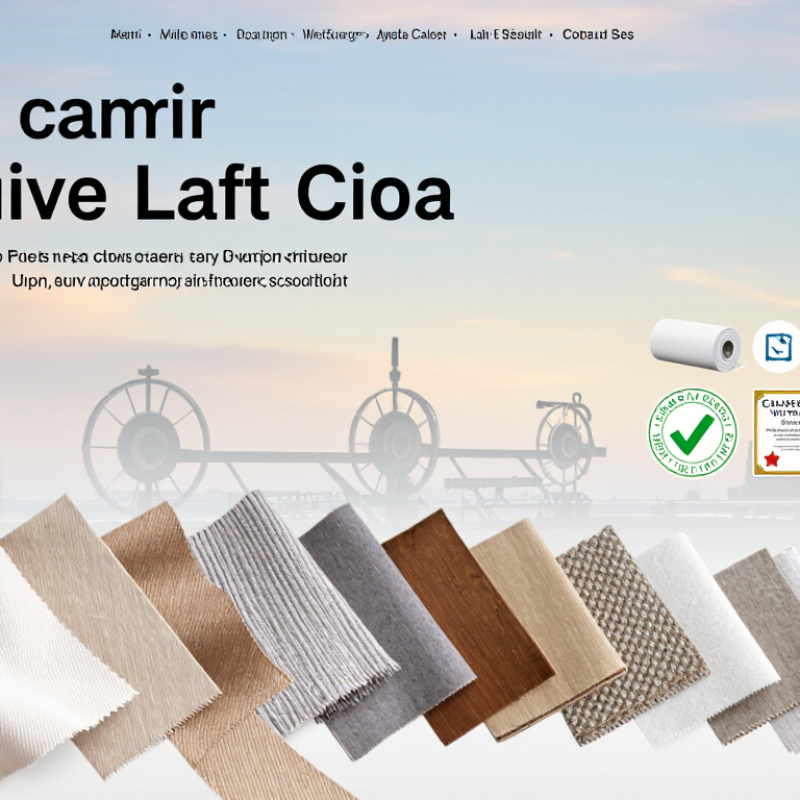
Natural stretch fabric combines plant or animal fibers with controlled flexibility. Cotton, linen, hemp, and wool provide breathability, texture, and familiar comfort. However, natural fibers alone usually offer limited recovery after movement. A fabric may bend easily, then keep a knee-shaped impression.
Elastane changes that performance. Even a small percentage, often between 2% and 8%, can improve extension and recovery. The final result depends on yarn construction, fiber blending, and finishing. Buyers should check stretch percentage in both directions. They should also test recovery after repeated extension, washing, and drying. A practical sample test uses a marked 10-centimeter section. Measure it before stretching, after stretching, and again after thirty minutes.
Mechanical stretch is different. It comes from fabric structure rather than elastic fiber. Woven fabrics may use textured yarns, special weave patterns, or a slightly loose construction. Knitted fabrics gain movement through their loops. This option can preserve a more natural fiber profile, but recovery may be weaker. Fit can change after long wear.
I have seen a linen-rich fabric feel flexible on the cutting table but tighten after laundering. That result was not ideal. It showed why laboratory data cannot replace hands-on testing. Check fiber content, fabric weight, shrinkage, pilling, seam slippage, and colorfastness before placing a large order. Request production-lot samples from suppliers for 2026 sourcing decisions. Natural stretch is useful, but it is never automatic.

Natural stretch fabric suppliers face a larger responsibility as global fiber production reaches industrial scale.
Textile Exchange reported 124 million tonnes produced in 2023. This benchmark shows how seriously buyers must examine material volume, sourcing, and environmental pressure.
For global buyers, natural stretch fabrics can combine cotton, wool, hemp, or other plant fibers with careful knitting or limited stretch components. A supplier should explain fiber origin, processing conditions, fabric weight, stretch recovery, and shrinkage results.
These details matter during sampling. A soft fabric can still lose shape after repeated washing. No benchmark is perfect. Reporting methods may differ, and buyers should question unclear figures.
Tips:
Request recent test reports and traceability documents. Compare stretch recovery after washing, not only in the showroom. Check whether the supplier can maintain consistent color, width, and weight across production lots. Ask for a small trial order before committing to larger volumes. Experienced sourcing teams also inspect finishing chemicals and wastewater controls through independent documentation. This approach supports more reliable purchasing without treating a single sustainability claim as complete proof. Suppliers that provide precise answers, admit limitations, and share measurable evidence are easier to evaluate over time.
Choosing a natural stretch fabric supplier in 2026 requires more than checking fiber composition. The 2024 Textile Exchange Materials Market Report estimates global fiber production reached 124 million tonnes in 2023. That scale increases pressure on farms, mills, and certification systems.
GOTS can verify organic fibers, environmental processing, and social criteria across defined supply chains. GRS focuses on recycled content, chain of custody, and responsible processing. OEKO-TEX testing helps screen finished fabrics for harmful substances. These standards answer different questions. They are not interchangeable.
Ask suppliers for current certificates, scope documents, transaction records, and laboratory reports. Check whether certification covers elastane blends, dyeing, printing, and subcontracted finishing. Request a traceability map from farm or polymer source to packed rolls. A clear batch code should match invoices and test reports.
Capacity needs practical testing. The supplier should disclose monthly output, minimum order quantity, lead time, machine width, and recovery performance after repeated stretching. The International Energy Agency reports that industrial energy demand remains a major emissions source, making production transparency increasingly relevant. However, certificates do not guarantee perfect consistency. Shade variation, delayed testing, and optimistic capacity claims still occur. A small pilot order exposes these weaknesses early. Good sourcing is sometimes slower than expected. That is worth admitting.
2026 Top Natural Stretch Fabric Suppliers for Global Buyers
A 2026 supplier profile should show more than cotton content and attractive photographs. Buyers need measurable operating details. Typical minimum order quantities range from 300 to 1,000 kilograms for stock-supported programs, while custom colors may require 1,500 kilograms or more. Common fabric weights sit between 160 and 280 GSM. Lightweight jersey feels cooler, but heavier interlock usually controls shape better. Small details matter.
Stretch recovery requires a laboratory method, not a sales adjective. ISO 20932-1 can assess elastic behavior, while ISO 3801 supports GSM verification. For cotton-elastane fabrics, buyers often request 85% to 95% recovery after repeated extension, depending on construction and testing conditions. That range is practical, not universal. Textile Exchange’s Materials Market Report 2024 recorded global fiber production at about 124 million tonnes in 2023, increasing pressure for traceable natural-fiber sourcing. Organic claims should include transaction records and scope certificates.
Supplier lead times commonly fall between 25 and 60 days after approval, with reactive colors moving faster than custom dye lots. Export performance should be checked through shipment records, customs data, and UN Comtrade classifications, rather than unsupported website claims. Ask for destination markets, annual export volume, and recent inspection results. A supplier may report excellent recovery on new fabric, yet fail after washing. That is the uncomfortable gap. Test your own finished garment, too. Seasonal capacity, port congestion, and yarn availability can quietly change every quotation.
| Profile | Primary Supply Region | Natural Stretch Fabric Types | Typical MOQ | Standard GSM Range | Stretch Content | Stretch Recovery | Sample Lead Time | Bulk Lead Time | Export Profile | Compliance & Testing |
|---|---|---|---|---|---|---|---|---|---|---|
| P-01 | East Asia | Organic cotton jersey Cotton-elastane rib | 300–500 kg per colour | 160–280 g/m² | 3–8% elastane Natural-fibre content: 92–97% | 88–93% after 30-minute relaxation | 7–12 calendar days | 30–45 calendar days | Export share: 65–80% Main markets: North America, EU, Japan, South Korea Common terms: FOB, CIF | GOTS options OEKO-TEX testing Colourfastness |
| P-02 | South Asia | Organic cotton interlock Cotton-modal stretch | 500–800 kg per style | 180–320 g/m² | 4–6% elastane Natural or cellulosic fibre content: 94–96% | 85–91% under standard recovery testing | 10–15 calendar days | 35–55 calendar days | Export share: 70–85% Main markets: EU, United Kingdom, United States, Australia Common terms: FOB, FCA | GOTS options GRS options REACH screening |
| P-03 | Türkiye and Mediterranean region | Cotton stretch twill Cotton stretch poplin | 200–400 kg per colour | 190–360 g/m² | 1–4% elastane Natural-fibre content: 96–99% | 90–95% after repeated extension | 5–10 calendar days | 25–40 calendar days | Export share: 55–75% Main markets: EU, United Kingdom, Middle East, North Africa Common terms: FCA, FOB, DDP by quotation | OEKO-TEX testing BSCI support Azo-dye testing |
| P-04 | Western Europe | Organic cotton jersey Linen-cotton stretch | 150–300 kg per colour | 140–260 g/m² | 2–5% elastane Natural-fibre content: 95–98% | 86–92% measured after laundering | 8–14 calendar days | 28–45 calendar days | Export share: 45–65% Main markets: EU, Scandinavia, North America, Switzerland Common terms: FCA, DAP | GOTS options EU fibre disclosure Flammability testing |
| P-05 | East Asia | Hemp-cotton stretch Linen-viscose stretch | 300–600 kg per style | 150–300 g/m² | 2–5% elastane Plant-fibre content: 95–98% | 82–90% depending on weave and finish | 12–18 calendar days | 35–60 calendar days | Export share: 60–78% Main markets: United States, EU, Canada, Australia Common terms: FOB, CIF | OEKO-TEX testing Flax and hemp traceability Shrinkage testing |
| P-06 | South Asia | Cotton stretch fleece Organic cotton French terry | 600–1,000 kg per colour | 240–420 g/m² | 3–7% elastane Natural-fibre content: 93–97% | 84–90% after washing and drying | 10–16 calendar days | 40–65 calendar days | Export share: 75–90% Main markets: EU, North America, Australia, New Zealand Common terms: FOB, CIF | GOTS options WRAP or BSCI support Pilling testing |
| P-07 | Latin America | Cotton-elastane jersey Cotton stretch pique | 250–500 kg per colour | 170–300 g/m² | 3–6% elastane Natural-fibre content: 94–97% | 87–92% after standard wash testing | 7–14 calendar days | 30–50 calendar days | Export share: 35–55% Main markets: United States, Canada, regional Latin America Common terms: FOB, CIF, DAP | OEKO-TEX testing Colourfastness Dimensional stability |
| P-08 | Eastern Europe | Cotton stretch rib Tencel-blend stretch jersey | 200–450 kg per style | 180–340 g/m² | 4–8% elastane Natural or cellulosic fibre content: 92–96% | 89–94% after 20,000-cycle extension testing | 6–12 calendar days | 25–42 calendar days | Export share: 60–80% Main markets: EU, United Kingdom, Switzerland, Norway Common terms: FCA, DAP | GOTS options REACH screening Pilling and seam-slip testing |
2026 Top Natural Stretch Fabric Suppliers for Global Buyers
Global Buyer Scorecard: Price, Compliance, Carbon, Durability, and End Use
A useful supplier scorecard looks beyond the quoted fabric price. Compare landed cost, minimum order quantity, lead time, testing fees, and expected cutting waste. A low price can become expensive when rolls arrive uneven or late. Request recent samples, not only a polished specification sheet. Check fiber content, stretch recovery, width tolerance, colorfastness, and shrinkage through independent testing when the order is substantial.
Compliance should be documented and traceable. Ask for transaction certificates, restricted-substance declarations, factory audit records, and wastewater controls where relevant. Carbon claims need careful review. Prefer measured emissions data with clear boundaries, energy sources, and calculation dates. “Lower impact” is too vague. Natural fibers may still require intensive farming, processing, or transport. The scorecard should also record durability. A soft fabric that pills after several washes may suit a short-life fashion item, but not uniforms, travel clothing, or fitted home textiles. End use changes the correct balance between softness, recovery, weight, and abrasion resistance.
Tips: Use a weighted spreadsheet before negotiation. Give durability and compliance higher scores for long-life products. Keep one sample after approval. It can expose later changes in handle or color. No supplier scores perfectly. Some data will remain incomplete, and that uncertainty deserves a visible penalty rather than an optimistic guess.
We are the most reliable and proficient jute goods manufacturer & supplier that helps businesses or individuals with various exportable agricultural commodities biz and jute goods by shipping them worldwide. Our right-time service ensures that whatever color and size of jute product you need, we can make it happen anytime and anywhere! Let’s keep our earth safer to live in!
Important link
Address
Bangladesh Address:
Fair Plaza (9th Floor), Plot : 3C, Section : 01, Mirpur, Dhaka:1216
UK Office:
242 Manor Road, Droylsden, Manchester, M43 6JD, United Kingdom.
Let's Talk
We are the most reliable and proficient jute goods manufacturer & supplier that helps businesses or individuals with various exportable agricultural commodities biz and jute goods by shipping them worldwide. Our right-time service ensures that whatever color and size of jute product you need, we can make it happen anytime and anywhere! Let’s keep our earth safer to live in!
Bangladesh Address:
Fair Plaza (9th Floor), Plot : 3C, Section : 01, Mirpur, Dhaka:1216
UK Office:
242 Manor Road, Droylsden, Manchester, M43 6JD, United Kingdom.