
• Home
  • About
    • jute Bag

      Eco-Chic and Durable – Perfect for Sustainable Living.

      Cashew Nut Bag

      Sustainable jute bag for lasting cashew nut freshness

      Cocoa Bag

      Eco-friendly jute bag for rich cocoa flavor preservation

      Coffee Bag

      Elegant, durable jute bag to keep coffee beans fresh and eco-friendly

      Hazel Nut Bag

      Eco-conscious jute bag for hazelnut freshness and quality

      Shea Nut Bag

      Durable jute bag for fresh, organic shea nuts

      Tote Bag

      Stylish, eco-friendly jute tote for daily essentials

      Wheat Bag

      Sustainable jute bag for optimal wheat freshness

    • Jute Yarn

      Eco-Chic and Durable – Perfect for Sustainable Living.

      Jute Rope

      Sustainable jute bag for lasting cashew nut freshness

      Jute Fabrics

      Eco-friendly jute bag for rich cocoa flavor preservation

      Hessian cloth

      Sustainable Hessian cloth suppliers

  • Products
  • Export Country
  • Blog

Top Spectrum Stained Glass Sheets for Sale?

Shopping for Spectrum Stained Glass Sheets means judging more than color in a product photo. Light, texture, and thickness all change how a sheet looks once it is cut and placed beside other glass. A deep ruby may read almost black in a dim room; pale amber can glow near a window. Details matter.

Reliable market figures need careful framing. The U.S. Geological Survey’s Mineral Commodity Summaries reports on industrial minerals such as silica, a key glassmaking material, but it does not provide a sales total for Spectrum-branded stained glass sheets. The U.S. Census Bureau’s County Business Patterns offers data on broader manufacturing categories, not this specific product line. These sources provide context, not a direct measure of sheet availability or demand.

That distinction matters when comparing listings. Check whether a seller identifies the maker and product line, gives sheet dimensions, and shows the glass in natural light. Ask about color variation between sheets, protective packing, and whether small samples are available. A photograph cannot fully show transmitted color. Not even close.

Expert quotations deserve the same care. No verifiable statement from a named Spectrum stained glass specialist was supplied for this introduction, so attributing a quote would risk misleading readers. Treat seller descriptions as starting points, then confirm details directly before ordering. A little doubt helps: product names, stock, and appearance can vary across listings, and an attractive image is not a guarantee of a perfect match.
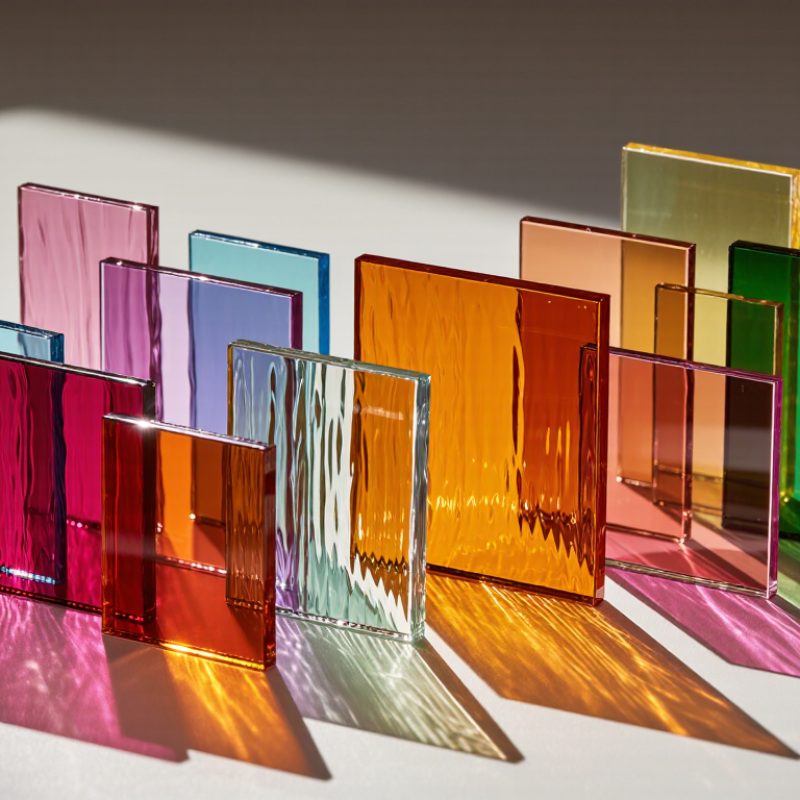
Top Spectrum Stained Glass Sheets for Sale?

What Spectrum Stained Glass Sheets Are and How They Are Made

Spectrum stained glass sheets are colored or textured glass made for cutting, joining, and decorative light work. Their color usually comes from mineral additives mixed into a silica-rich batch before melting. The exact recipe and furnace conditions affect hue, opacity, and consistency.

Once molten, glass may be rolled between patterned rollers, creating ripples, hammered marks, or smoother faces. It then cools gradually in an annealing lehr, which reduces internal stress and helps prevent cracking during later cutting.

The process is controlled, but not perfectly uniform. Small variations remain.

A USGS 2025 Mineral Commodity Summaries report estimates U.S. industrial sand and gravel production at about 120 million metric tons in 2024; only a portion meets the quality needs of glassmaking. This scale helps explain why feedstock grading matters, even though specialty sheet production uses far less material.

When inspecting a sheet, look across it toward a window or work light. Check for uneven color, bubbles, and texture changes that may affect a small cut. A slight ripple can look beautiful in a sunlit panel, yet complicate precise fitting. Ask about sheet dimensions, thickness, and whether the surface is smooth enough for your cutting method.

How to Evaluate Color, Texture, Opacity, and Quality

When comparing Spectrum stained glass sheets for sale, assess color in the light where the finished piece will sit. Hold each sheet near a window, then view it against a white card. Some colors look vivid on a dark table but turn muted when backlit. Look for even color, unless streaks or shifts suit your design. Texture changes appearance and cutting feel. Pebbled or rippled glass scatters light; smooth glass gives crisp lines.

Check opacity by placing a printed line behind the sheet. If it disappears, the glass is more opaque; if it shows clearly, expect stronger light transmission. Inspect edges and surfaces for chips, scratches, bubbles, and uneven thickness. A few tiny bubbles may be acceptable, but clusters can distract in a broad panel. Ask for clear, current photos, and confirm dimensions and possible batch-to-batch color variation. I would not rely on a screen image alone; it can misrepresent the shade.

Tips: View samples in both daylight and indoor lighting. Compare pieces side by side, and inspect them before cutting. Keep in mind that a slight mismatch may only become obvious after assembly.

Top Spectrum Stained Glass Sheets for Sale? - How to Evaluate Color, Texture, Opacity, and Quality
Glass Appearance Color Evaluation Texture and Surface Opacity and Light Quality Checks Typical Uses Buying Notes
Transparent cathedral-style glass Check the color in both transmitted light and reflected light. A sample may look different against a window than it does on a workbench. Often relatively smooth, though surface waviness and small manufacturing variations can occur. High light transmission; objects and shapes behind the glass remain visible, though color can tint them. Look for cracks, chips, deep scratches, and unwanted inclusions. Review the sheet from several angles for visible distortion. Window panels, sun catchers, and designs where light and color transmission are important. Ask whether the pictured sheet is representative. Color appearance depends on lighting, sheet thickness, and the surrounding design.
Opalescent glass Look for an even overall color and decide whether cloudy or softly blended areas suit the design. May have a cloudy, layered, or softly mottled appearance; the surface can be smooth or textured. More obscuring than clear transparent glass; light passes through diffusely, and visibility through the sheet is reduced. Check that the cloudy pattern is acceptable across the usable area and that no cracks or edge damage are present. Flowers, figures, lettering, and areas where diffused color is preferred over a clear view. Request photos with backlighting when possible. The amount of opacity and pattern variation can differ across a sheet.
Wispy or streaked glass Assess the direction, strength, and distribution of color streaks; compare the pattern with the intended cut layout. Visible elongated wisps or flowing color variations are part of the appearance; surface relief may vary by sheet. Usually transmits light, but the degree of clarity depends on the glass and its pattern. Inspect the full sheet for consistent visual character and confirm that the streaks are not confused with cracks or scratches. Water, foliage, skies, and other designs that benefit from directional movement. Ask for a full-sheet image: a small product photo may not show the direction or scale of the pattern.
Seedy or bubble-textured glass Evaluate the base color separately from the visible seeds, bubbles, or small inclusions. Small bubbles or seed-like marks create visual texture; their size and distribution can vary. Light generally passes through, but bubbles and surface irregularities can scatter or distort it locally. Distinguish the intended texture from damage. Reject sheets with cracks, sharp breaks, or defects that compromise the planned cuts. Decorative accents, backgrounds, and panels where sparkle or visual irregularity is wanted. Confirm that the inclusion pattern is intentional and acceptable; do not assume every sheet has an identical distribution.
Rippled or reeded glass Check color under backlighting and consider how the repeated lines will align within the finished design. Regular ridges or ripples create a pronounced surface pattern and directional visual distortion. Light transmission can remain strong, while the ridges blur or distort shapes viewed through the sheet. Check the direction and continuity of the pattern, plus edges and corners for chips or cracks. Panels needing privacy, directional texture, or a patterned background. Confirm the pattern orientation and usable sheet dimensions before ordering, especially for pieces that must match.
Mixed-texture or mottled glass Examine color shifts across the sheet rather than judging from one small area. May combine smooth and textured areas or have an irregular, mottled surface. Transmission and clarity can vary across the sheet; test a sample in the intended lighting if precise results matter. Review a full-sheet photo and clarify which variations are normal for the product. Check for damage separately. Organic designs, accent pieces, and projects that benefit from varied visual detail. Choose pieces from the same batch when close color matching is important; handcrafted and machine-produced sheets can both vary.
Any sheet being considered Compare the listing image with a sample under daylight or the project’s intended light source. Screen colors are not a reliable color standard. Confirm whether the texture is on one or both surfaces and whether it affects cutting or fitting for the planned work. Ask for a sample or test piece if a specific level of privacy or light transmission is required. Verify listed dimensions, thickness, edge condition, and return terms. Inspect the sheet on arrival before cutting. Any stained-glass project where color, pattern, and light behavior must suit the finished piece. Sheet sizes, thicknesses, appearance, and acceptable variation depend on the seller and product. Check the actual listing rather than assuming a universal specification.

Popular Spectrum Sheet Types and Their Crafting Uses

Clear cathedral sheets let daylight pass through evenly, making them useful for geometric panels, sun catchers, and simple window borders. Their colors stay visible without hiding nearby details. Opalescent sheets contain milky areas that soften the light and conceal solder lines or small background flaws. They suit flowers, birds, and other shapes that need stronger color. Test a sample first. A sheet can look brighter on a shop display than it does beside a cool north-facing window.

Wispy and streaky sheets combine transparent and opaque threads, adding movement to water, clouds, or tree canopies. Use the direction of the streaks deliberately; careless placement can make a calm design look busy. Textured sheets, such as ripple or hammered patterns, scatter light and add privacy to cabinet inserts or bathroom windows. They can be trickier to score, so check that your cutter follows the surface smoothly. For small projects, compare sheets under the light where the finished piece will hang. Even careful matching is imperfect: neighboring colors may blend beautifully in daylight, then appear oddly flat after sunset.

How to Compare Prices, Availability, and Sellers

Compare stained glass sheets by more than the listed price. A low price may reflect a smaller sheet, thinner glass, or uneven color. Check the dimensions, thickness, finish, and whether the price covers one sheet or a pack. Then calculate the cost per usable square inch, including shipping. Small differences add up.

Availability deserves equal attention. A listing may show a color as available, yet stock can change before checkout. Ask whether the sheet is physically in stock and whether several sheets come from the same production batch. That matters when matching panels. Request current photos in natural light, since screen colors can mislead. They often do. Also check dispatch estimates, breakage procedures, and return terms before paying. A clear answer is a good sign.

Compare sellers on detail, not just star ratings. Look for exact measurements, clear photos of texture and edges, careful packing descriptions, and recent reviews mentioning condition on arrival. If specifications are missing, ask before ordering; vague replies make comparison harder. For a costly project, buying one sample sheet first can reveal its color and workability. This adds time and cost, admittedly, but it may prevent a mismatched batch. No online listing can promise a perfect visual match.

Top Spectrum Stained Glass Sheets for Sale? How to Compare Prices, Availability, and Sellers

Compare listings by calculating price per square foot: sheet price ÷ (sheet area in square inches ÷ 144). The chart shows area calculations for example sheet dimensions, not live seller listings or stock data. Check each seller’s current price, dimensions, shipping cost, and availability before comparing.

How to Choose a Spectrum Sheet for Your Project

Choosing a stained-glass sheet starts with the project, not the color name. For a sunlit window, hold a sample against daylight and check how its texture changes the view. For a lamp, consider how transmitted light may deepen or shift the color. Small samples help. A large sheet can look quite different.

Check thickness, surface texture, bubbles, and color variation before buying. If the work will be kiln-fired, confirm compatibility data with the supplier; common expansion ratings include 90 and 96, and different ratings should not be assumed compatible. Ask for the specific sheet’s technical data, not just a general product description.

The U.S. Geological Survey’s Mineral Commodity Summaries 2024 estimates U.S. industrial sand and gravel production at about 120 million metric tons in 2023. That figure reflects raw-material scale, not finished-sheet quality, so it cannot replace inspection or supplier documentation.

A color chart can mislead. I would order a small sample first, then view it beside the other glass under the project’s actual lighting.

Shopping Basket