
• Home
  • About
    • jute Bag

      Eco-Chic and Durable – Perfect for Sustainable Living.

      Cashew Nut Bag

      Sustainable jute bag for lasting cashew nut freshness

      Cocoa Bag

      Eco-friendly jute bag for rich cocoa flavor preservation

      Coffee Bag

      Elegant, durable jute bag to keep coffee beans fresh and eco-friendly

      Hazel Nut Bag

      Eco-conscious jute bag for hazelnut freshness and quality

      Shea Nut Bag

      Durable jute bag for fresh, organic shea nuts

      Tote Bag

      Stylish, eco-friendly jute tote for daily essentials

      Wheat Bag

      Sustainable jute bag for optimal wheat freshness

    • Jute Yarn

      Eco-Chic and Durable – Perfect for Sustainable Living.

      Jute Rope

      Sustainable jute bag for lasting cashew nut freshness

      Jute Fabrics

      Eco-friendly jute bag for rich cocoa flavor preservation

      Hessian cloth

      Sustainable Hessian cloth suppliers

  • Products
  • Export Country
  • Blog

What Are the Top Tile Photo Frame Types in 2026?

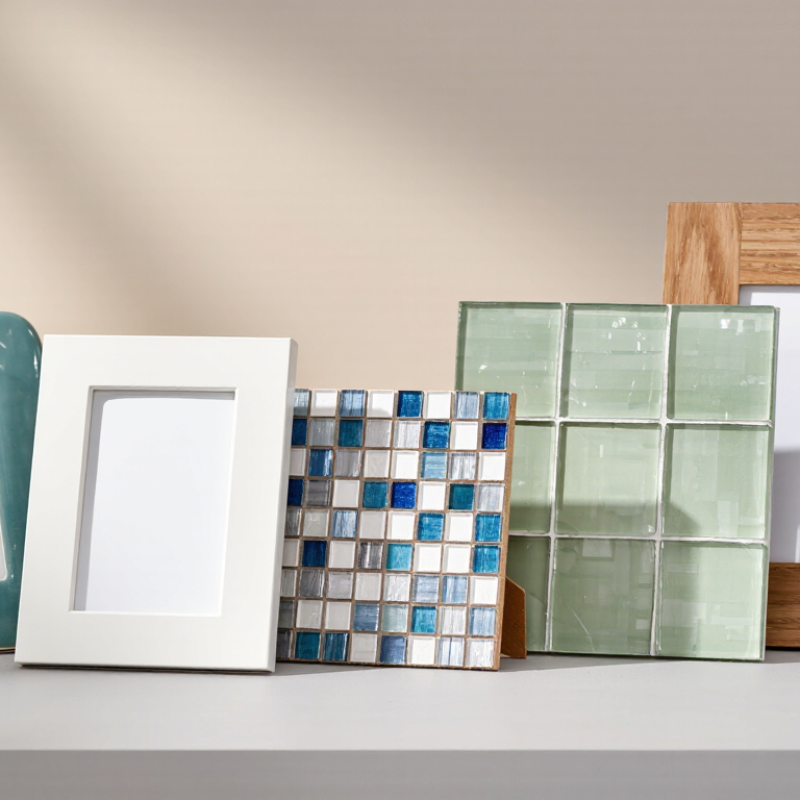
In 2026, the best Tile Photo Frame depends on where it will sit and how it will be used. A glazed ceramic frame brings color and a smooth, wipeable surface to a bedside table. Porcelain offers a denser finish, while mosaic styles add small variations in tone and texture. Glass-tile designs can catch the light, but fingerprints may show quickly. Small details matter.

This guide compares popular types by material, appearance, durability, and care. It also considers practical features, such as a stable stand, secure backing, and space for a standard photo size. For a gift, hand-painted tiles can feel personal; for a busy shelf, simpler finishes may be easier to maintain. Wood-look tiles offer warmth, though they do not have the feel of real wood. No single option suits every room. A glossy frame may look striking in a bright space, yet feel a little cold beside soft fabrics. That trade-off is easy to miss in product photos.

The selections ahead focus on features buyers can check, rather than unverified claims about popularity. Compare dimensions and care instructions before choosing, since tile thickness and frame construction vary by maker. A well-chosen frame should protect the photo and fit naturally into its setting. Sometimes, the simplest design works best.
What Are the Top Tile Photo Frame Types in 2026?

Define Tile Photo Frames by Frame Construction, Tile Body, and Image Method

What Are the Top Tile Photo Frame Types in 2026?
Define Tile Photo Frames by Frame Construction, Tile Body, and Image Method

Tile photo frames are easier to compare across three choices: construction, tile body, and image method. A raised surround gives a photo tile a defined border; a flush-mounted tile looks cleaner but exposes its edges. Some designs use several small tiles like a mosaic. Others center one image on a single tile. Check the back, too. A sturdy hanger matters as much as the glossy front.

The tile body changes the frame’s weight, feel, and finish. Ceramic is often lighter and easier to shape, while porcelain is denser and less absorbent; natural stone brings visible grain but varies from piece to piece. Fortune Business Insights valued the global ceramic tile market at US$227.81 billion in 2023. That figure describes the wider tile industry, not photo-frame quality. Image methods include fired ceramic decals, printing onto coated tiles, and UV printing. Their wear resistance depends on the ink, coating, and finish, so ask how the image is protected. A bright sample can still fade or scratch.

Tips: Match the mounting hardware to the tile’s weight. Ask for a close-up of the tile edge and a care guide. TCNA’s Handbook and ANSI A137.1 provide useful tile terminology, but they do not certify a finished photo frame. I’d still test the actual piece. Specifications can miss small flaws.

What Are the Top Tile Photo Frame Types in 2026? - Define Tile Photo Frames by Frame Construction, Tile Body, and Image Method

Tile Photo Frame Type Frame Construction Tile Body Image Method Typical Characteristics
Single framed ceramic tile One square or rectangular tile sits inside a separate wood, metal, or composite surround. The frame can conceal the tile edges and may include a stand or hanging hardware. Glazed ceramic; porcelain is also used for a denser tile body. Fired ceramic decoration, such as a ceramic decal or digital ceramic inkjet printing; alternatively, sublimation onto a polymer-coated tile. A conventional framed appearance with a clearly defined border. Fired decoration becomes part of the glazed surface, while sublimation depends on a compatible coating.
Frameless edge-to-edge photo tile A single tile is displayed without a separate visible surround. It may use a rear hanger, easel, or concealed mounting hardware. Ceramic or porcelain, usually with a smooth, printable face. Digital ceramic inkjet with compatible ceramic inks and firing, or sublimation on a suitably coated tile. The image extends close to the tile edges, creating a minimal look. Exposed edges and corners may be more vulnerable to chips than a tile protected by a surround.
Multi-tile framed photo panel Several tiles are arranged in a rigid backing or tray and enclosed by a perimeter frame. Grout or narrow gaps may separate the tiles. Ceramic or porcelain tiles; tile size and surface finish are selected to suit the panel layout. The image can be printed across a coordinated set of tiles using ceramic inkjet or decals, or each tile can carry a separate image. Works for larger displays and collage-style designs. Tile joints can interrupt a continuous photograph, so image placement should account for the gaps.
Glass tile photo frame A glass tile or glass panel is held in a frame, or mounted with hardware designed for the panel’s thickness and weight. Clear, frosted, or colored glass tile or panel. UV-cured direct printing is commonly used. On suitable clear glass, printing on the reverse side can protect the image from direct contact. Can provide a glossy or translucent effect depending on the glass and print arrangement. Image contrast and color appearance depend on the glass color, opacity, and backing.
Natural-stone photo tile frame A stone tile is mounted in a frame or backing that supports its weight and protects its edges. Natural stone, such as slate, marble, or granite; color and texture vary between pieces. UV flatbed printing or another printing process compatible with the prepared stone surface; a suitable surface treatment may be used to improve print adhesion. Natural veining, grain, and texture remain visible and can affect image appearance. Surface preparation and protective finishing depend on the stone and intended use.

Note: Image durability depends on the tile surface, ink or transfer process, firing or curing conditions, and any protective coating. Confirm cleaning and display recommendations for the specific finished tile.

Compare Ceramic and Porcelain Using ANSI A137.1’s 0.5% Absorption Threshold

For a tile photo frame in 2026, the ceramic-versus-porcelain choice starts with water absorption, not appearance. ANSI A137.1 classifies porcelain tile at 0.5% absorption or less, measured using the prescribed test method. Ceramic is a broader category; porcelain is a specific type within it. That distinction matters. A glossy surface can look dense while telling you little about the tile body underneath.

A small sample helps. Check the technical sheet for the absorption result, then inspect the cut edge: porcelain often has a dense, fine body, while other ceramic tiles may show a more porous texture. Neither detail replaces the test. For a photo frame, weight and mounting matter too. A thicker porcelain piece can feel reassuring, but may need stronger backing than a lighter ceramic tile. The threshold is useful, not magic; it does not guarantee chip resistance or a perfect image surface. I’d compare the printed finish, edge quality, and intended mounting before choosing. Small details count.

Examine Mosaic, Glass, and Natural-Stone Frames by Format and Surface

Tile photo frames in 2026 are best compared by format and surface, not material alone. Mosaic frames use small square or irregular pieces around a narrow inner border. Grout lines add texture and can make a simple frame feel handcrafted. Tiny joints collect dust. Check that tesserae sit flush, especially near corners, where raised edges can catch a cleaning cloth. Glossy mosaics reflect nearby colors, while matte surfaces look quieter under direct light.

Glass frames often use larger, smooth panels or tiles, with clean edges that suit geometric formats. Clear or translucent surfaces brighten a shelf, though fingerprints and glare show quickly. Natural-stone frames vary more: slate may feel layered and rough, while polished marble tends to look cool and veined. Stone’s weight matters. Confirm the backing and hanging hardware can support the finished frame. Porous stone may absorb oils or moisture, so ask whether it is sealed. Follow care guidance; harsh cleaners can dull some finishes. One caveat: a small sample can mislead, so inspect the full frame in the room’s actual light.

Group Photo Finishes into Direct Printing, Ceramic Decals, and Tile Inserts

Tile photo frames in 2026 generally use three image finishes: direct printing, ceramic decals, or separate tile inserts. Each handles color, texture, and replacement differently. The best choice depends on where the frame will sit and how often it will be handled.

Direct printing places the image onto the tile surface. It can show fine details, such as a pet’s whiskers or lettering, with a smooth finish. Ask how the surface is protected, since sunlight, cleaning products, and repeated wiping may affect the image over time. Ceramic decals are transferred onto the tile and fired, bonding the design to its surface. They often produce a slightly tactile, glazed appearance. Small color shifts can happen during firing, so check a finished sample if exact skin tones matter. It is worth asking.

Tile inserts use a separate printed or decorated tile fitted into the frame. This construction can make image changes easier, especially when the insert is removable and replacements are made to the same dimensions. Check for a snug fit; a loose insert may rattle, while a tight one can be difficult to remove. No finish is perfect. Compare samples in the room’s actual light, and consider whether the frame will be displayed on a shelf or handled often.

Top Tile Photo Frame Types in 2026

A qualitative comparison of direct printing, ceramic decals, and tile inserts.

Ratings use a 1–5 qualitative scale and summarize typical process characteristics; they are illustrative, not measured market or product-test data.

Direct printing applies the image onto the tile surface, ceramic decals transfer printed artwork onto ceramic, and tile inserts place a separate printed tile within the frame. The best option depends on the desired finish and production process.

Evaluate 2026 Options by Tile Size, Grout Width, Exposure, and Maintenance

In 2026, tile photo frames generally suit three setups: adhesive mounts, edge-grip frames, and adjustable brackets. Adhesive mounts work best on smooth, clean tiles, but textured surfaces can weaken the bond. Edge-grip designs avoid drilling, though they need a tile edge with enough clearance. Adjustable brackets offer more flexibility for larger photos, but can look bulky on small tiles.

Measure the tile face and grout width before choosing. A frame that overlaps a wide grout line may sit unevenly or leave gaps. In damp rooms or bright, sunny spots, check the frame’s finish and the mount’s exposure rating. Heat, steam, and direct light can shorten material life or fade a print. Maintenance matters, too: smooth frames wipe clean easily, while narrow seams collect dust. I would not assume a “universal fit” means a secure fit.

Tips: Measure twice. Test the mount on one tile first, and wait the recommended setting time before adding a photo. Use a removable option if you rent or change displays often. For dusty areas, choose a frame with few crevices. One detail is easy to miss: grout can vary across the same wall, so check the exact spot, not just one tile.

Shopping Basket