
• Home
  • About
    • jute Bag

      Eco-Chic and Durable – Perfect for Sustainable Living.

      Cashew Nut Bag

      Sustainable jute bag for lasting cashew nut freshness

      Cocoa Bag

      Eco-friendly jute bag for rich cocoa flavor preservation

      Coffee Bag

      Elegant, durable jute bag to keep coffee beans fresh and eco-friendly

      Hazel Nut Bag

      Eco-conscious jute bag for hazelnut freshness and quality

      Shea Nut Bag

      Durable jute bag for fresh, organic shea nuts

      Tote Bag

      Stylish, eco-friendly jute tote for daily essentials

      Wheat Bag

      Sustainable jute bag for optimal wheat freshness

    • Jute Yarn

      Eco-Chic and Durable – Perfect for Sustainable Living.

      Jute Rope

      Sustainable jute bag for lasting cashew nut freshness

      Jute Fabrics

      Eco-friendly jute bag for rich cocoa flavor preservation

      Hessian cloth

      Sustainable Hessian cloth suppliers

  • Products
  • Export Country
  • Blog

What Are the Top Types of Sandwich Mesh Fabric?

Sandwich Mesh Fabric is not one construction. It is a family of three-dimensional textiles with two outer faces joined by connecting yarns. That structure creates a visible air gap, a little spring, and a soft cushioning effect. In a shoe insole, the spacer layer can compress underfoot. In a backpack panel, it can help separate fabric from the wearer’s back. The details matter.

Textile Exchange’s Materials Market Report 2024 estimates that global fiber production reached 124 million tonnes in 2023, with polyester making up about 57 percent. This broader industry context helps explain why polyester is common in sandwich mesh, though nylon and other fibers also appear. The report does not measure sandwich mesh specifically, so its figures should not be treated as category market data. For readers comparing top types, this guide will distinguish warp-knit spacer fabrics, circular-knit options, and constructions made with different yarn sizes and face patterns. Their performance varies with density, thickness, elasticity, and intended use. Small changes can matter.

A practical comparison should look beyond appearance. Check the fabric’s recovery after compression, airflow, edge stability, and resistance to snagging. No single type suits every product. The source materials supplied here contain no verifiable quotation from a named Sandwich Mesh Fabric specialist, so I have not invented one. That limitation deserves notice.
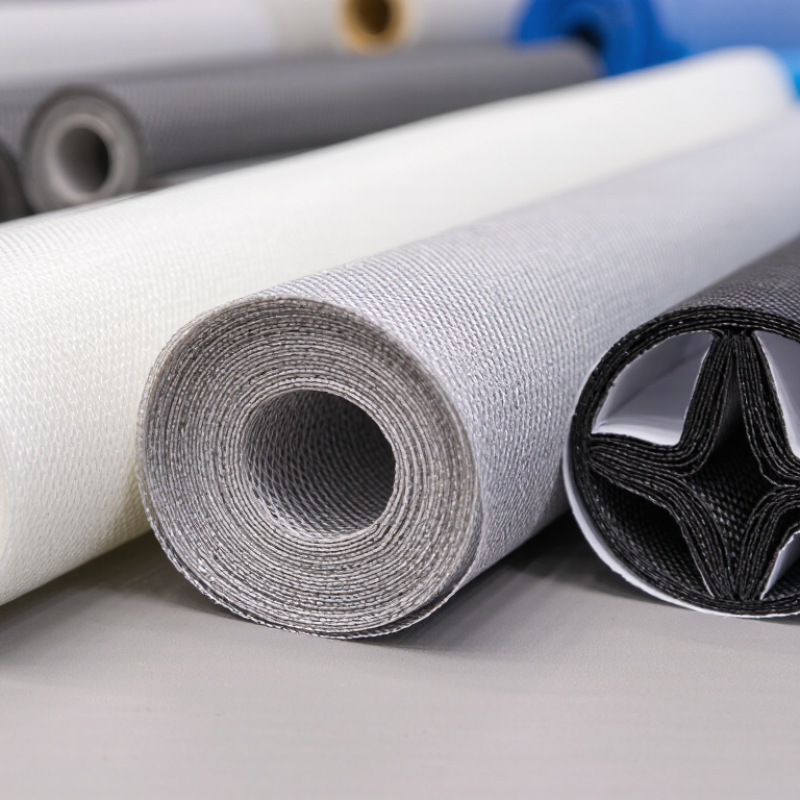
What Are the Top Types of Sandwich Mesh Fabric?

What Defines Sandwich Mesh Fabric and Its Layered Structure?

Sandwich mesh fabric is a three-dimensional knitted textile with two outer faces joined by a middle layer of connecting yarns. Unlike a flat mesh, it has thickness and a visible spacer structure. The faces may use different knit patterns, while the connecting yarns hold them apart and create small air channels.

Picture a soft net on each side, with short yarn pillars between them. That is the basic structure. A cut edge often reveals the layers clearly.

Polyester and nylon are common face and spacer materials, though fiber choice and stitch design affect feel, airflow, and durability. The fabric may cushion a backpack panel or allow air to move through a shoe lining. But thicker does not always mean more breathable. Tight knitting and compression can close the channels.

Textile Exchange’s Materials Market Report 2024 estimates global fiber production reached 124 million tonnes in 2023, with production projected to reach 160 million tonnes by 2030. That industry-wide figure is useful context, not a measure of sandwich mesh specifically.

For a practical comparison, check fabric thickness, weight, and compression recovery; a mesh can look open yet feel warm when pressed against the body.

How Do Knitted, Woven, and Nonwoven Sandwich Meshes Differ?

Sandwich mesh has two outer faces linked by a spacer layer, creating airflow and cushioning. Knitted versions use looped yarns, so they bend readily and often recover well after compression. Press a thumb into the fabric: the middle layer should spring back, though recovery varies with yarn and stitch design. Knits suit seating, footwear, and padding where comfort matters.

Woven sandwich meshes interlace yarns in straight, orderly paths. They generally hold their dimensions more firmly and stretch less than comparable knits. That can help when a panel must keep its shape under tension. The trade-off is a stiffer hand. Openings and spacer construction still affect airflow, so “woven” alone does not predict performance.

Nonwoven meshes form their structure by bonding fibers, rather than interlacing conventional yarns. Mechanical, thermal, or chemical bonding can create different levels of firmness and porosity. Some are lightweight and economical; others may compress permanently under repeated loads. Textile Exchange’s Materials Market Report 2024 estimates global fiber production reached 124 million tonnes in 2023, with polyester making up 57 percent. This is useful material-market context, not a sandwich-mesh market share. Feel the difference. In practice, compare air permeability, compression recovery, and tensile strength on the finished fabric; construction labels can hide meaningful variation.

What Are the Main Types of Sandwich Mesh Fabric?

What Are the Top Types of Sandwich Mesh Fabric?

What Are the Main Types of Sandwich Mesh Fabric?

Sandwich mesh is a three-dimensional textile made from two outer layers connected by spacer yarns. Its main types vary by knitting structure, fiber, and thickness. Warp-knitted spacer mesh is common in footwear, seat backs, bags, and padding. The connecting yarns keep the layers apart, creating space for airflow. It can feel firm or springy, depending on yarn density and spacer height.

Weft-knitted sandwich mesh often feels softer and stretches more easily, making it useful for apparel panels and light cushioning. Raschel mesh, a warp-knit construction, can provide stable surfaces with varied openings. Polyester versions typically dry quickly, while nylon may offer a smooth feel and good recovery. Still, fiber choice alone does not determine performance.

Check the details. A tightly knitted mesh may support more weight but allow less airflow. A taller spacer can compress with repeated use. Coatings and laminated surfaces may also affect breathability and cleaning. There is no single best type. Compare samples for thickness, compression recovery, edge stability, and wash behavior before choosing. Small construction differences matter.

How Do Fiber, Thickness, and Density Affect Fabric Performance?

Sandwich mesh fabric is a three-dimensional textile with two outer layers joined by connecting yarns. Polyester versions are often chosen for dimensional stability and everyday durability, while nylon can feel softer and resist abrasion. The best fiber depends on the job. A seat panel exposed to friction needs different qualities from a breathable lining. Fiber choice also affects drying time, hand feel, and shape retention after repeated use.

Thickness and density change performance just as much. A thicker spacer layer can add cushioning and airflow, but may feel bulky beneath tight upholstery. A thinner mesh bends more easily, though it may provide less separation between its outer faces. Higher density often improves support and reduces snagging, but can restrict airflow. Small details matter. Press a sample between your fingers, then release it: does it recover or stay flattened? Test it in place. Check the mesh under the intended load and against its backing, too. Specifications help, but they do not tell the whole story. I would not assume the densest option is automatically the strongest or most comfortable. Compare airflow, compression recovery, and edge fraying on samples before selecting a fabric.

What Are the Top Types of Sandwich Mesh Fabric? How Do Fiber, Thickness, and Density Affect Fabric Performance?

These representative examples show how lightweight, balanced, and denser spacer-knit constructions can differ in thickness and areal density. They are illustrative values, not universal specifications. Greater thickness and mass can provide more cushioning and support, while airflow also depends on the knit structure and open area. Polyester generally absorbs less moisture than nylon; nylon is often chosen for its abrasion resistance and resilience. Check the specification of the individual fabric for exact performance.

Which Applications Suit Each Type of Sandwich Mesh?

Sandwich mesh is not one fabric; its layers and yarns determine how it performs. Soft, three-dimensional polyester spacer mesh suits backpack padding, shoe collars, and breathable chair backs. Its raised middle layer creates a small air channel against the body. Denser warp-knitted mesh provides firmer support for seat backs, luggage panels, and protective padding. Lightweight, open-knit mesh works better for sportswear vents and bag pockets, where low weight matters more than cushioning. Not always. A soft mesh can collapse under repeated pressure.

Material choice matters, too. Textile Exchange’s Materials Market Report 2024 estimates polyester represented 57% of global fiber production in 2023. That figure indicates wide industry use, not that polyester automatically suits every product. For upholstery or footwear, check compression recovery, abrasion resistance, and air permeability against the actual use conditions. ASTM D737 provides a standardized method for testing air permeability in textile fabrics.

Tips: Press a sample, then check whether it springs back. Test it against the intended lining, foam, and seam construction. A fabric may feel breathable in your hand but trap heat once laminated. Small detail, big difference.

Shopping Basket