
China’s trade show market is active again, but renting a standard booth is not the only practical option. CCPIT’s China Exhibition Economy Development Report 2023 describes a strong rebound in exhibition activity after pandemic disruptions. UFI’s Global Exhibition Barometer also tracks renewed growth across the international exhibition sector. These reports point to opportunity, not a guarantee of value for every exhibitor. Venue fees, freight, installation, and storage can quickly change the real cost of a booth.
A Trade Show Booth Rental Alternative may include a reusable modular stand, a locally fabricated custom booth, or a portable display system. Each approach suits different budgets, schedules, and brand needs. A modular wall with replaceable graphics, for example, can travel between events and adapt to different booth sizes. Local production may reduce shipping, but quality control needs attention. Ask suppliers for material samples, itemized quotes, installation plans, and references from comparable Chinese venues. Check what happens after the show, too.
There is no perfect option. Smaller displays may limit visitor flow, while custom builds can create storage and reuse challenges. Even a polished render can hide practical problems, such as a blocked aisle or a late delivery. Treat vendor claims as starting points, not proof. Compare total costs and confirm venue requirements before choosing. A realistic plan leaves room for surprises. That detail matters.
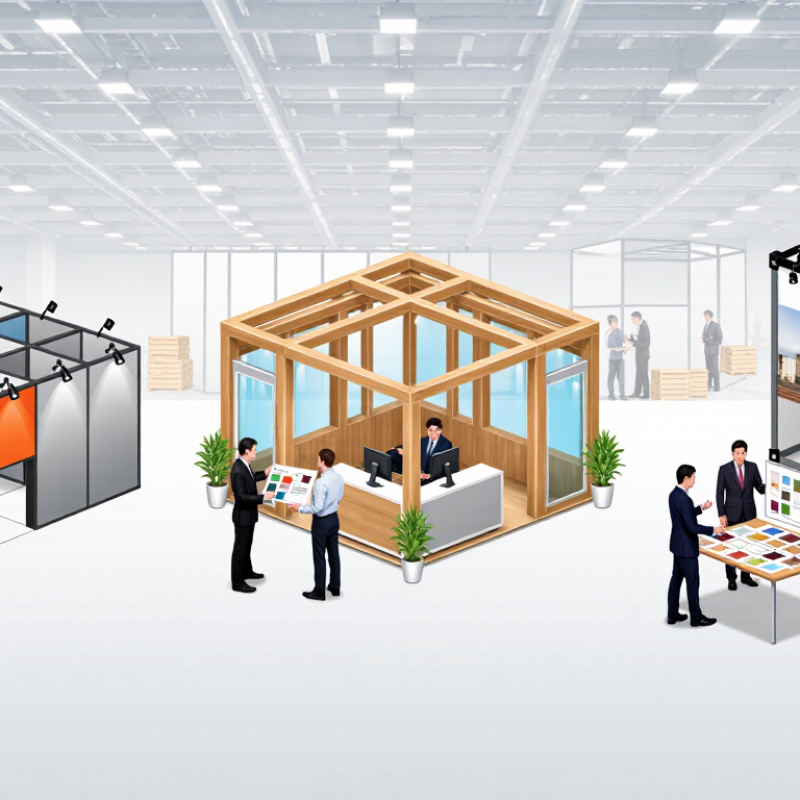
Trade Show Booth Rentals in China: Market Scope and UFI’s Global Exhibition Industry Data
China’s trade show market spans major coastal hubs and fast-growing regional cities. Rental options range from modular shell schemes to custom-built structures, with differences in freight, setup, storage, and local labor costs. A lower quote may not include electrical work, graphics, or dismantling. Ask for an itemized scope before comparing suppliers. Small details matter: a late graphics approval can leave a blank wall on opening day.
UFI’s global exhibition industry data offers useful context on exhibition activity and market performance. It helps readers understand wider industry trends, but it is not a direct measure of booth rental prices or availability in China. Check each report’s coverage period and methodology before drawing conclusions. Global benchmarks can guide questions, not replace local quotations. The comparison is imperfect, and regional differences deserve more attention.
Tips: Request floor plans, material specifications, delivery timelines, and clear inclusions. Confirm who handles venue coordination. Keep a small contingency for revisions; plans change.

A shell-scheme booth is a standardized alternative for exhibitors who want to control setup costs. It usually includes modular wall panels, a fascia with the exhibitor’s name, carpet, and basic lighting. Exact inclusions vary by event, so check the exhibitor manual before budgeting.
Small details matter. Confirm the booth dimensions, power supply, furniture, and installation fees in writing. A low headline price may not include every item you need.
The format works well when a clear product display matters more than a custom structure. Add printed panels, a compact counter, and well-placed product samples to make the space feel purposeful. Keep graphics readable from the aisle; crowded walls can hide the message. Some organizers restrict panel alterations, so ask before ordering custom prints.
Shell schemes are less flexible, and neighboring booths may look similar. That is a real trade-off. I would not call this option exciting, and perhaps that is part of its appeal: fewer design decisions, simpler logistics, and a more predictable starting point. Still, compare the full package cost with other rental options, not just the basic booth fee.
For exhibitors returning to trade shows in China, a modular booth can be a practical alternative to renting a complete custom stand each time. Aluminum frames, locking connectors, and replaceable panels let teams reuse the main structure while changing graphics for each event. A 3-by-6-metre layout, for example, might include a counter, two product shelves, and a small meeting table. Keep frequently handled parts easy to reach.
Setup becomes less stressful.
Before choosing a system, check the venue’s current booth dimensions, height limits, and installation schedule. Ask for a parts list, assembly drawings, and clear instructions for repairs. These details help staff identify missing connectors before a crate reaches the exhibition hall.
Reuse is not automatically cheaper. Compare storage, transport, refurbishment, and labor costs across several events, not just the initial purchase.
This part is easy to underestimate. Some configurations also leave visible joints or awkward corners, especially when layouts change. Test a small mock-up, inspect it under bright lighting, and note what feels cramped before committing to a larger kit.
In China, booth choice is a trade-off between visual control and practical handling. A custom-built display can fit an irregular floor plan, carry heavier product samples, and create a more precise visitor path. But crates, installation crews, and venue schedules add pressure. One missed freight window can leave a polished design waiting in a loading area.
Portable displays travel more easily between cities and suit teams that need fast setup. Roll-up graphics, modular frames, and lightweight counters can reduce packing volume, though they may offer less room for live demonstrations. CEIR reports that 81% of trade show attendees have buying authority, a useful benchmark when evaluating face-to-face exhibition value. That figure does not guarantee qualified conversations at every booth. Staff coverage and clear product messaging still matter.
A practical comparison should include floor space, freight dimensions, local assembly support, and storage after the event. Ask whether replacement graphics can be produced locally, and test the setup with the actual samples—not empty boxes. Small detail. A portable structure may look simple in a catalogue, yet feel cramped once visitors gather around it. Custom builds can solve that problem, but their extra complexity is not always worth the cost. I would revisit the choice after each show; venue conditions rarely repeat exactly.
A strong buyer-authority audience is an important consideration when choosing between custom-built and portable booth rentals.
CEIR benchmark: 81% of trade show attendees have buying authority. The remaining 19% is calculated as the complement. This benchmark describes the audience, not the comparative performance of booth types.
When comparing trade show booth rental alternatives in China, price the full project, not just the booth. Include design, transport, installation, dismantling, storage, electrical work, and any venue-required changes. CEIR’s 2023 Index reported a 14.3% rise in business-to-business exhibition performance from 2022, but a busier market does not guarantee a lower cost per qualified lead. Ask for an itemized quote. Small fees add up.
A standard rental suits a one-off event or a tight schedule. A modular system may cost more initially, yet reusable frames and graphics can reduce costs across several shows. Custom construction offers a distinctive space, but shipping and storage can erode its value. Check each Chinese venue’s rules for booth height, hanging signs, approved materials, power, and move-in times before approving drawings. A late redesign is expensive. I would still question whether a reusable booth fits your next venue; dimensions and audience flow can change.
Tie the layout to lead-generation goals. Freeman’s 2023 attendee research found 77% of respondents viewed in-person events as the best way to discover new products and services. That supports hands-on demonstrations, clear product zones, and a quiet meeting table—not simply a larger booth. Track qualified conversations, booked follow-ups, and cost per lead, rather than badge scans alone. A rental can look polished and still underperform if staff lack a clear way to capture visitor needs.
We are the most reliable and proficient jute goods manufacturer & supplier that helps businesses or individuals with various exportable agricultural commodities biz and jute goods by shipping them worldwide. Our right-time service ensures that whatever color and size of jute product you need, we can make it happen anytime and anywhere! Let’s keep our earth safer to live in!
Important link
Address
Bangladesh Address:
Fair Plaza (9th Floor), Plot : 3C, Section : 01, Mirpur, Dhaka:1216
UK Office:
242 Manor Road, Droylsden, Manchester, M43 6JD, United Kingdom.
Let's Talk
We are the most reliable and proficient jute goods manufacturer & supplier that helps businesses or individuals with various exportable agricultural commodities biz and jute goods by shipping them worldwide. Our right-time service ensures that whatever color and size of jute product you need, we can make it happen anytime and anywhere! Let’s keep our earth safer to live in!
Bangladesh Address:
Fair Plaza (9th Floor), Plot : 3C, Section : 01, Mirpur, Dhaka:1216
UK Office:
242 Manor Road, Droylsden, Manchester, M43 6JD, United Kingdom.