
• Home
  • About
    • jute Bag

      Eco-Chic and Durable – Perfect for Sustainable Living.

      Cashew Nut Bag

      Sustainable jute bag for lasting cashew nut freshness

      Cocoa Bag

      Eco-friendly jute bag for rich cocoa flavor preservation

      Coffee Bag

      Elegant, durable jute bag to keep coffee beans fresh and eco-friendly

      Hazel Nut Bag

      Eco-conscious jute bag for hazelnut freshness and quality

      Shea Nut Bag

      Durable jute bag for fresh, organic shea nuts

      Tote Bag

      Stylish, eco-friendly jute tote for daily essentials

      Wheat Bag

      Sustainable jute bag for optimal wheat freshness

    • Jute Yarn

      Eco-Chic and Durable – Perfect for Sustainable Living.

      Jute Rope

      Sustainable jute bag for lasting cashew nut freshness

      Jute Fabrics

      Eco-friendly jute bag for rich cocoa flavor preservation

      Hessian cloth

      Sustainable Hessian cloth suppliers

  • Products
  • Export Country
  • Blog

What Is a Turf Rake and How Does It Work?

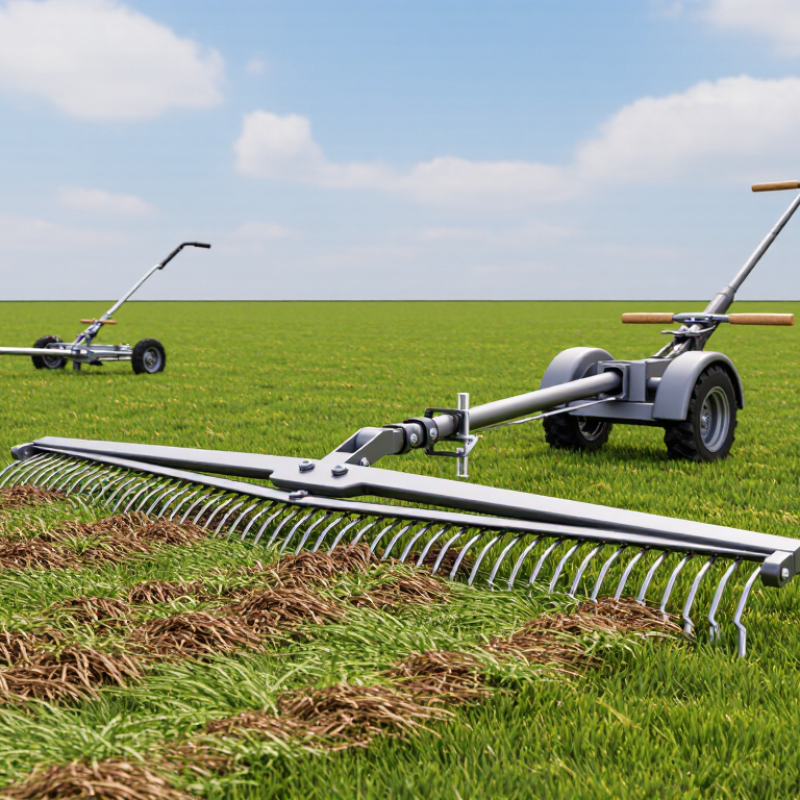
A turf rake is a specialized tool for lifting thatch, loose grass, moss, and surface debris from lawns and sports fields. Unlike an ordinary leaf rake, it uses closely spaced metal tines or rotating blades to reach into the turf without removing excessive soil. Turf Rakes may be manual, tow-behind, or powered, depending on the lawn’s size and condition.

The working principle is simple. As the rake moves across the grass, its tines comb through the surface layer. They loosen dead stems, shallow roots, and compacted organic material that can block water, air, and nutrients. A hand model gives the operator precise control near garden edges. A powered model covers larger areas more quickly, but it can disturb healthy crowns if set too aggressively.

The setting matters.

In practical lawn care, professionals usually inspect the thatch layer before choosing a tool. A thin layer may need gentle grooming, while heavy buildup can require controlled scarifying and careful recovery. Raking when the soil is slightly moist often improves contact, although wet ground can increase compaction. Results vary.

A turf rake is not a magic fix. Poor mowing, drainage problems, shade, and weak soil fertility may continue causing surface buildup. I have found that observing the lawn after each pass is safer than trusting a single aggressive treatment. This measured approach supports healthier regrowth and reduces avoidable damage. Always follow the equipment manufacturer’s instructions, wear suitable protection, and test a small area before treating the entire lawn.
What Is a Turf Rake and How Does It Work?

What Is a Turf Rake?

What Is a Turf Rake?

A turf rake is a lawn-maintenance tool that lifts dead grass, loose thatch, moss, and surface debris. It may be handheld or powered by an engine or battery. Unlike a leaf rake, it uses stiff tines or rotating blades to reach slightly below the grass canopy. The operator adjusts depth carefully. Too shallow, and debris remains. Too deep, and healthy roots may suffer.

In practical use, the rake moves across dry turf in straight, overlapping passes. The tines pull thatch upward, while the operator collects the loosened material afterward. Penn State turf specialists commonly identify a thatch layer above 0.5 inch as a reason to consider dethatching. That figure matters because excessive thatch can restrict water movement and reduce fertilizer efficiency. It is not magic.

A turf rake can also groom synthetic fields by redistributing loose infill and lifting flattened fibers. Field managers should inspect seams, edges, moisture, and turf density before working. The U.S. Environmental Protection Agency reports that outdoor use represents more than 30% of household water consumption, so preserving healthy turf can support more careful irrigation decisions. Still, raking will not repair compacted soil, poor drainage, or disease. I have seen maintenance plans overuse it. That mistake can leave thin brown strips where green grass once stood. The right frequency depends on turf species, season, soil condition, and the amount of thatch present.

How a Turf Rake Is Designed and Built

A turf rake is built to remove thatch, loosen surface soil, and lift flattened grass without tearing healthy roots. Its working parts are simple, but their geometry matters. A steel or reinforced polymer frame carries closely spaced tines. These tines enter the turf at a controlled depth, usually between 3 and 12 millimeters. Shallow contact lifts debris. Deeper contact can disturb crowns and expose soil.

Manufacturers adjust tine thickness, spacing, and spring tension for different turf conditions. Flexible tines follow uneven ground and reduce sudden digging. Rigid tines remove tougher thatch but demand slower operation. A balanced frame keeps pressure even across the working width. That detail matters on damp soil, where one heavy corner can leave visible scars. The USDA Natural Resources Conservation Service identifies compaction and poor surface structure as major limits on root growth. A rake cannot repair compacted soil completely. It only opens the surface layer.

Field managers often inspect the material collected after one pass. A thin layer of dead stems suggests light grooming. Dense brown fibers suggest a heavier setting or follow-up dethatching. The 2023 Sports Turf Managers Association field guidance emphasizes adjusting maintenance to turf species, moisture, and traffic levels. That advice is practical, not decorative. I would not trust a fixed setting everywhere. Soil changes within a few meters. A good rake should be adjustable, repairable, and easy to clean after use. The design may look modest. Its tolerances are not.

How a Turf Rake Works Step by Step

A turf rake removes thatch, loose runners, and surface debris from turf. It is not a simple leaf rake. Its spring tines reach into the grass canopy and pull material upward, exposing soil without stripping every living plant.

The process starts with a moisture check. Soil should feel slightly damp, not muddy or dusty. A manager then sets the tine depth just below the thatch layer. Too shallow, and debris remains. Too deep, and healthy roots may suffer. The rake moves in straight, overlapping passes, usually at a steady walking speed. Each pass lifts brown fibers, clipped stems, and compacted organic matter. The first pass may look uneven. That is normal, but repeated aggressive passes can thin the turf.

After raking, the operator removes the loosened material and inspects the soil surface. Extension research commonly identifies thatch above 1.3 centimeters as a warning level because it can restrict water and air movement. This matters as outdoor landscape irrigation represents nearly 30% of household water use, according to the U.S. Environmental Protection Agency’s WaterSense program. A turf rake cannot solve every drainage problem. Compacted soil still needs aeration, and weak grass may need reseeding. I sometimes prefer a lighter second pass. It takes longer, but the recovery is usually safer.

What Is a Turf Rake and How Does It Work? — How a Turf Rake Works Step by Step
Step What Happens Main Part Involved How It Works Typical Result Important Operating Point
1. Surface Preparation The lawn is inspected and cleared of stones, sticks, toys, and other loose objects. Lawn surface and operator controls Removing obstacles helps the rake move evenly and reduces the chance of damaging the tines or throwing debris. A safer, more uniform working area. The grass should generally be dry or only slightly moist; saturated soil can be marked or compacted.
2. Height Adjustment The working height is set so the tines lightly contact the thatch layer and soil surface. Height-adjustment lever, roller, or wheels A shallow setting lifts organic debris without unnecessarily cutting healthy roots or crowns. Controlled removal rather than aggressive soil disturbance. Start with a high setting and make a second pass only if the thatch remains excessive.
3. Power Transfer The motor or engine turns the rake’s working shaft. Electric motor or engine, drive system, and shaft Rotational power is transferred through a drive mechanism to the tine cylinder or reel. The tines rotate at a consistent working speed. Power should be disconnected before clearing wrapped grass or inspecting moving parts.
4. Tine Engagement Spring tines or fixed blades enter the upper layer of the turf. Spring tines, wire tines, or scarifying blades The rotating elements comb through the thatch layer, a dense mat of dead stems, roots, and runners between the grass and soil. Thatch becomes loosened and lifted toward the surface. The goal is to remove excess thatch while preserving as much living grass as possible.
5. Thatch Separation As the rake moves forward, loosened material is pulled out of the turf canopy. Rotating tine assembly The tines separate compacted organic material from standing grass and expose portions of the soil surface. Improved visibility of the soil and reduced surface matting. Several light passes are usually less stressful to the lawn than one deep pass.
6. Debris Collection or Windrowing Removed thatch is left in rows or directed into a collection area, depending on the equipment design. Rear discharge, deflector, or collection bag The rotating action moves loosened debris backward or upward, where it can be gathered manually or collected. A visible layer of dry grass and organic debris on the surface. Collected material can be composted if it is free from contaminants and suitable for composting.
7. Cross-Pass, if Needed A second pass may be made at a different angle when the thatch layer is uneven. Operator steering and tine assembly Changing direction reaches areas missed by the first pass and distributes the work more evenly. More consistent removal across the lawn. Avoid repeated deep passes, especially on thin, newly seeded, drought-stressed, or recently laid turf.
8. Raking and Inspection Loose debris is removed and the lawn is checked for exposed roots, bare patches, or excessive disturbance. Hand rake and visual inspection Manual cleanup removes remaining material that the machine did not collect and reveals the turf’s condition. A cleaner surface ready for recovery work. Stop if large amounts of healthy grass are being torn out rather than only dead material.
9. Recovery Care The lawn may be watered appropriately, overseeded where necessary, and given time to recover. Soil, grass crowns, seed, and irrigation Opening the surface can improve seed-to-soil contact, but the remaining turf still needs suitable moisture and growing conditions. Gradual improvement in turf density and surface appearance. Follow local grass-species guidance; avoid heavy traffic until the grass has recovered.
Key point: A turf rake is designed primarily to loosen and remove excess thatch and surface debris. It is not the same as a core aerator: a turf rake combs or slices the upper turf layer, while a core aerator removes plugs of soil to create deeper air and water channels.

Different Types and Uses of Turf Rakes

What Is a Turf Rake and How Does It Work?

A turf rake is a hand tool or powered machine designed to comb, loosen, or level grass surfaces. Its tines move through the turf and remove thatch, leaves, moss, and shallow surface debris. The action also lifts flattened grass, allowing air and water to reach the soil more easily. It is not a substitute for every lawn-care tool.

Different turf rakes serve different jobs. A dethatching rake has strong, closely spaced tines for pulling out dead stems and compacted thatch. A leaf rake uses flexible tines and works gently across established grass. A landscape rake usually has a wider, sturdier head for spreading soil, gravel, or uneven topsoil. A grooming rake has finer teeth and suits sports fields, artificial turf, or carefully maintained lawns.

Use light pressure on healthy turf. Pull the rake in one direction, then inspect the surface before making another pass. Heavy thatch may need repeated work, but aggressive raking can tear living crowns and expose bare soil. I have found that slightly damp ground gives better control, while wet soil clings to the tines and forms messy clumps. That judgment is easy to get wrong.

For artificial turf, use a soft grooming rake to lift flattened fibers without damaging the backing. On natural grass, rake during active growth and avoid stressful heat. Clean the tines after use, especially when soil or moss builds between them. Your lawn will show you the difference.

How to Choose and Use a Turf Rake Safely

What Is a Turf Rake and How Does It Work?

A turf rake removes thatch, dead grass, moss, and loose debris from the lawn surface. Its tines comb through the turf and lift unwanted material for collection. Manual models suit small lawns and provide better control near flower beds. Powered versions cover larger areas but require more attention and practice.

Choose a rake with sturdy, flexible tines and a handle that feels comfortable at your height. Sharp metal tines can scar healthy roots, while weak plastic tines may bend quickly. Check the lawn’s moisture before working. Slightly dry soil supports cleaner removal and reduces compaction. Avoid waterlogged ground.

Safety matters.

Wear closed shoes, gloves, eye protection, and long trousers. Inspect the rake before use, especially loose joints and damaged tines. Remove stones, branches, and hidden cables from the work area. Pull the rake toward yourself with steady, shallow strokes. Do not force it deeply into the soil. Excessive pressure can tear living grass and expose bare patches.

Work in short sections, then collect the debris. If the turf looks thin, stop and reassess the depth. I sometimes expect a lawn to need aggressive raking, but careful inspection often proves otherwise. Follow the grass growth pattern when possible, and avoid rushing around slopes or wet edges. A small trial area can reveal whether the rake is removing thatch or simply damaging the turf.

Shopping Basket