What is a Webbing Sling and How is it Used in Industries?
In various industries, the use of a Webbing Sling is essential for safe lifting and moving goods. According to a study by the Occupational Safety and Health Administration (OSHA), improper rigging accounts for a significant percentage of workplace accidents. Using a Webbing Sling effectively minimizes these risks, enhancing safety measures in construction and manufacturing environments.
Webbing Slings are made from durable synthetic materials, providing a lightweight and flexible option for lifting tasks. Their capacity can vary widely, with some slings rated to lift over 30 tons. A report from the American National Standards Institute (ANSI) indicates that properly maintained slings can significantly reduce incidents of slippage and failure during operations. It is crucial, however, to recognize that with heavy usage, wear and tear can compromise their integrity.
Despite the benefits, not all users understand the correct applications for Webbing Slings. Poor training can lead to misuse, causing potential hazards. Regular inspections and adherence to manufacturer guidelines are vital. As industry standards evolve, continuous education on best practices for using Webbing Slings remains crucial in ensuring workplace safety and efficiency.
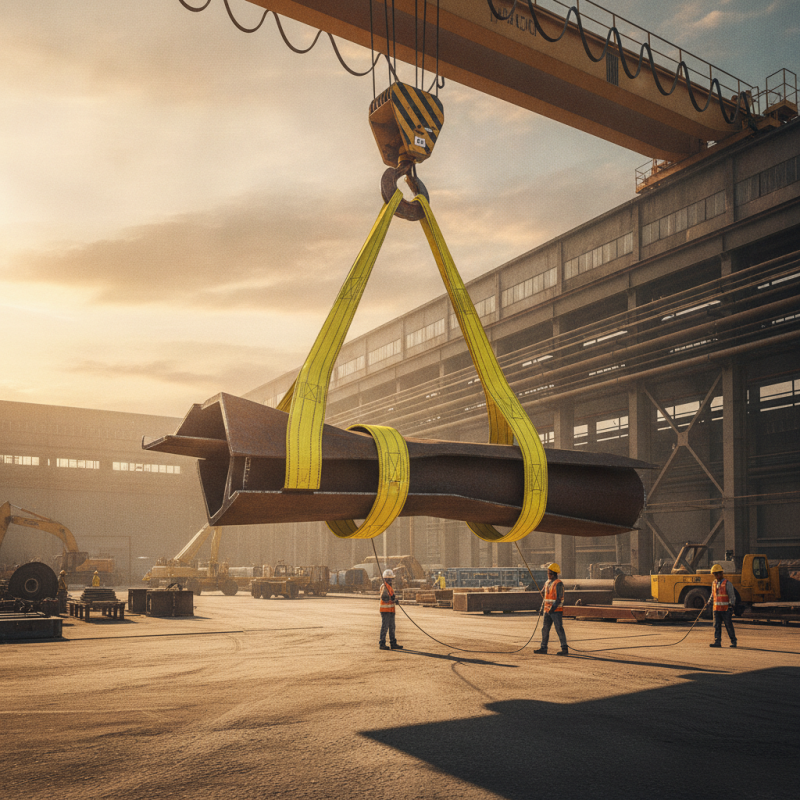
What is a Webbing Sling and Its Composition in Industrial Use
Webbing slings are essential tools in various industries. Made from durable synthetic materials, they offer high strength and flexibility. The composition typically includes polyester or nylon, providing resistance to abrasion and UV degradation. Depending on the specific use, webbing slings come in various widths and lifting capacities.
In industrial settings, webbing slings are often used for lifting heavy loads. Their flat shape distributes weight evenly, preventing damage to the goods. They are suitable for a range of applications, including construction, manufacturing, and logistics. However, users must ensure they select the right sling type based on the load's weight and dimensions. It’s vital to inspect slings regularly for wear and tear, as damage may compromise safety.
Tips: Always follow the manufacturer's guidelines for load limits. Never exceed the rated capacity of your webbing sling. This can lead to failure and accidents. Keep slings clean and dry when not in use. Dirt and moisture can reduce the sling’s lifespan. Regular training on proper handling techniques can enhance safety and efficiency in the workplace.
Types of Webbing Slings: Flat, Round, and Endless Variations in Industry
Webbing slings are essential tools in various industries, providing flexible and efficient lifting solutions. They come in different types, such as flat, round, and endless variations. Each type serves unique purposes and offers distinct advantages.
Flat webbing slings are widely used for their versatility. They are perfect for lifting heavy loads in warehouses and construction sites. Their flat design allows for a larger surface area, distributing weight evenly. This helps prevent damage to the load. On the other hand, round slings excel in lifting irregularly shaped objects. Their circular form helps to protect the load and adds flexibility during lifting tasks.
Endless webbing slings are another option, ideal for heavy lifting tasks. They can easily wrap around loads without worrying about hooks or fittings. However, users should consider the appropriate sling type before lifting, as each offers different safety factors. Understanding load limits and inspection procedures is crucial. Proper knowledge and application can minimize risks and enhance workplace safety.
What is a Webbing Sling and How is it Used in Industries? - Types of Webbing Slings: Flat, Round, and Endless Variations in Industry
| Type of Webbing Sling | Material | Load Capacity (Tonnes) | Common Uses | Advantages |
| Flat Sling | Polyester | 1 - 12 | Construction, Shipping | Lightweight, Versatile |
| Round Sling | Nylon | 1 - 20 | Heavy Machinery, Oil & Gas | High Flexibility, Minimal Damage |
| Endless Sling | Polyester | 1 - 10 | Lifting and Hoisting | Durability, 360-Degree Load Distribution |
Load Capacity and Safety Factors of Webbing Slings in Lifting Operations
Webbing slings are essential tools in various industries. They are widely used for lifting heavy loads safely. However, understanding load capacity and safety factors is crucial to ensure effective use. According to industry standards, the load capacity of a webbing sling can range from 1 ton to over 100 tons, depending on the material and construction. The most common material is nylon, known for its flexibility and strength.
Safety factors are also critical in lifting operations. Most webbing slings have a safety factor of 5:1. This means they can lift five times their rated capacity under optimal conditions. However, factors like wear and tear, environmental conditions, and improper handling may reduce this capacity. A study by the Lifting Equipment Engineers Association highlights that approximately 20% of slings fail due to misuse or lack of inspection. Regular checks and maintenance can mitigate these risks.
It's important to note that no slings are invulnerable. Each lifting operation presents unique challenges and potential risks. Inspecting the webbing and knowing its limits can help prevent accidents. All users must remain vigilant and aware of proper handling practices.
Applications of Webbing Slings Across Various Industrial Sectors
Webbing slings are versatile tools essential in various industrial sectors. They are made from synthetic materials, designed for lifting and moving heavy loads. These slings prove valuable in construction, manufacturing, and warehousing. According to a recent industry report by the Material Handling Industry of America, the use of webbing slings has increased by 20% over the past five years.
In construction, webbing slings are frequently used to lift machinery and materials. Their lightweight design allows for easier handling. In manufacturing, they facilitate assembly line processes, streamlining operations. The warehousing sector utilizes webbing slings for safe transportation of goods. The flexibility of these slings enhances safety while preventing damage to products.
Tips: Always inspect slings for wear and tear before use. This can prevent potential accidents. When lifting loads, distribute weight evenly across the sling. Incorrect usage might lead to catastrophic failures. Training workers on proper sling techniques is crucial for maintaining workplace safety.
Maintenance and Inspection Standards for Webbing Slings in Work Environments
Webbing slings are essential tools in various industries, used mainly for lifting and securing loads. However, their effectiveness relies on regular maintenance and inspections. This process ensures that slings remain in good working condition and can safely handle the weight they are designed for. Regular checks help identify wear and damage that may not be immediately visible.
When inspecting webbing slings, look for fraying, cuts, or discoloration. Even small signs of wear can compromise their strength. Slings should be cleaned after use to prevent dirt and grime build-up, which can weaken the material over time. A clean sling is easier to assess for potential damage.
Tips: Always store slings properly. Avoid exposing them to direct sunlight for prolonged periods. Keep them out of extreme temperatures. This care helps maintain their longevity and reliability in heavy-duty tasks. Establishing a routine for inspecting and maintaining your webbing slings is crucial. Ultimately, neglect can lead to accidents. A well-maintained sling is a safe sling.
Maintenance and Inspection Standards for Webbing Slings in Work Environments
This chart illustrates the compliance percentages for various maintenance and inspection standards related to webbing slings in industrial work environments. Regular visual inspections and load capacity verifications show a high compliance rate, while cleansing and maintenance practices require further improvement.