
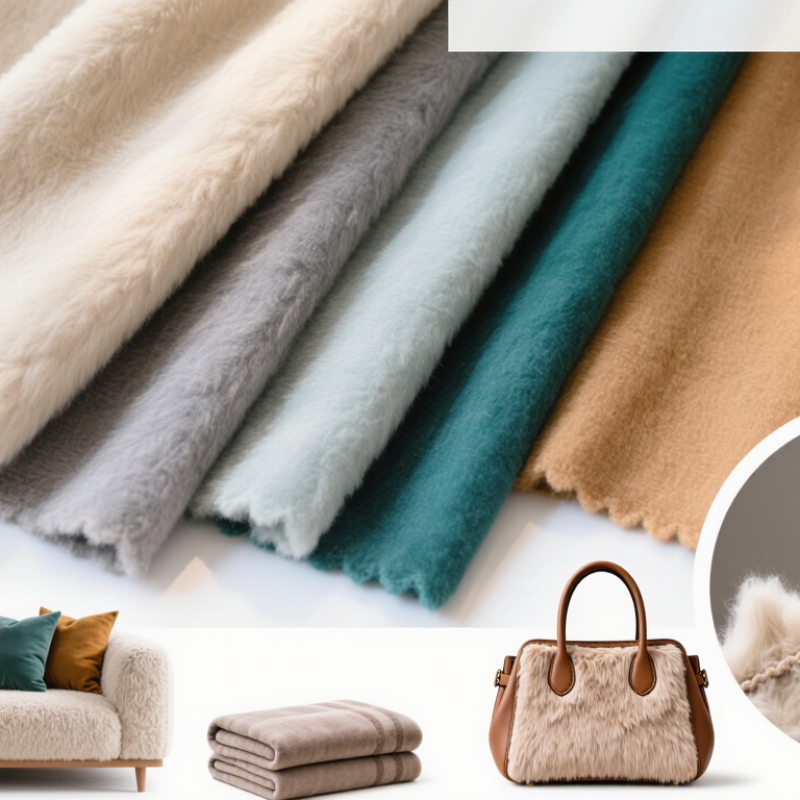
Chenille Fabrics can give a business’s products a distinctive surface, a soft hand, and a sense of visual depth. Their raised yarns catch light across cushions, upholstery, throws, and fashion accessories. That texture can help a product stand out on a crowded shelf. But appearance is only part of the decision. Buyers also need to consider fiber content, pile consistency, colorfastness, abrasion performance, and care requirements.
Textile sourcing specialist Lena Hart offers a practical reminder: “A fabric earns its place when its texture and performance suit the product.” Use that test when comparing samples. Run a hand across the pile. Check how it looks in daylight and under warm shop lighting. Ask suppliers for specifications and test reports relevant to the intended use. A small swatch may feel luxurious, yet behave differently after repeated use. Details matter.
For businesses, Chenille Fabrics can support a clear design story, from cozy home collections to tactile retail displays. They may also bring production considerations, including shedding, directionality, and batch-to-batch variation. These are worth checking early. Not every chenille construction fits every application, and softness alone is not proof of durability. A careful review of samples, documentation, and supplier capabilities helps reduce costly surprises. The following sections explore the benefits, selection criteria, and sourcing questions that can help businesses choose with greater confidence.
Chenille fabric is known for its soft, raised surface, but the texture begins with the yarn. Chenille yarn usually has a central core with short lengths of pile yarn held around it. Those loose ends create the fuzzy, caterpillar-like look. The yarn can then be woven or knitted into fabric. That texture is not magic. It comes from how the pile is secured, so construction can vary between fabrics.
In one common process, pile yarns are arranged across a woven structure, then cut into narrow strips. The resulting yarn is twisted around a core, helping hold the pile in place. Some methods differ, so a close look at a fabric sample matters more than relying on the name alone. Run a hand across the surface. You may notice a soft nap, slight shading, or a change in direction when the pile is brushed. The trade-off is easy to miss: loose or poorly anchored pile may wear unevenly in busy areas.
Tips: Ask for a sample and rub it gently in several directions. Check whether the pile sheds, mats, or changes appearance under pressure. Also inspect seams and seat edges, where friction tends to show first. A plush sample can feel inviting, but feel alone does not predict long-term performance.

Chenille earns its commercial appeal through a soft hand and a visibly textured surface. Its short, plush yarns catch light from different angles, giving chairs, cushions, and wall panels a richer look than flat weaves. In a reception area, that texture can make seating feel inviting before anyone sits down. Small detail, real impact. Color can also appear subtly different across the pile, adding depth without a printed pattern.
Comfort alone is not enough for contract use. Chenille’s performance depends on its fiber, yarn construction, backing, and finishing, so buyers should check test results for abrasion, pilling, and colorfastness. Run a hand across a sample, then view it under the room’s actual lighting. A fabric that looks even in a showroom may show shading or pressure marks after regular use. That can be attractive, but it may also worry clients expecting a uniform finish.
Maintenance needs equal attention. Raised yarns can catch on sharp objects, and some chenilles require gentler cleaning than tightly woven alternatives. Request care instructions and test a sample with the cleaning method planned for the site. Chenille is not the answer for every high-traffic setting. Still, when softness, visual warmth, and a tactile finish matter, its commercial value can be compelling.
Key properties shape chenille’s commercial value—but abrasion performance should be verified on the specific fabric you plan to buy.
Martindale cycles are a way to report abrasion-test results, not a guarantee of service life. The levels shown are illustrative procurement benchmarks, not universal requirements or test results for chenille. Ask suppliers for test data on the exact fabric and check other needs such as pilling, seam strength, and cleaning suitability.
Chenille fabric appears in furniture, home décor, apparel, and selected hospitality products because its raised yarns create a soft, textured surface. In upholstery, it is often used for sofas, lounge chairs, ottomans, and cushions. The pile gives a room visual depth, especially in solid colors where light shifts across the surface. It feels inviting. For busy seating, buyers should check abrasion ratings, seam strength, and cleaning instructions rather than judging by softness alone.
Bedding makers use chenille in throws, blankets, and decorative pillow covers, where warmth and tactile appeal matter more than a crisp finish. In clothing, it can be found in sweaters, scarves, and jackets, though weight and drape vary by yarn and construction. Retail displays also use chenille for soft accessories and occasional accent pieces. That matters. The same fabric may suit a bedroom throw but feel too warm or bulky for a lightweight garment.
Hotels, restaurants, and other shared spaces may choose chenille for accent seating or cushions, provided the fabric’s performance matches the cleaning routine and expected traffic. Some chenille surfaces can snag or flatten with friction, so sample testing is useful. A small swatch will not predict every wear pattern, but it can reveal how the pile catches light, responds to touch, and looks after gentle cleaning. Not every setting is right.
Chenille can help a furniture line feel inviting before a customer even sits down. Its raised, yarn-wrapped surface adds depth and a soft hand, making it a practical option for cushions, lounge seating, and decorative panels. For businesses, that tactile appeal can distinguish a product range without relying on complicated patterns. It also photographs with visible texture, though lighting can change how its color appears.
Material choice still matters. Textile Exchange’s Materials Market Report 2024 estimates that global fiber production reached 124 million tonnes in 2023, with polyester making up 57% of the total. This industry-wide figure is not specific to chenille, but it highlights why buyers should check fiber content and sourcing rather than judge fabric by touch alone. Polyester chenille may suit high-use settings, while other blends can offer a different drape or feel.
Ask suppliers for abrasion, pilling, and colorfastness results for the exact fabric construction. Check the backing and pile attachment, too; a plush surface is not automatically a durable one. Test a sample under real conditions, including repeated seating and routine cleaning. Small flaws show up fast. Chenille can flatten or snag, and that risk deserves honest attention in product planning.
| Business Consideration | Potential Benefit | Material Facts | What to Check Before Buying |
|---|---|---|---|
| Soft, textured appearance | The plush surface can help products feel inviting and add visible texture to interiors and soft furnishings. | Chenille describes a fuzzy, pile-like yarn or fabric surface; the exact look and feel vary by fiber, yarn construction, and finishing. | Request fabric swatches and assess color, pile direction, hand feel, and appearance under the lighting used in your setting. |
| Product differentiation | Its distinctive texture can offer an alternative to smooth, flat fabrics in upholstery, cushions, throws, and other textile products. | Chenille is a construction or yarn style, not a single fiber type. It may be made from materials such as cotton, polyester, or blends. | Confirm fiber content and construction on the product specification; do not assume all chenille has the same performance. |
| Comfort-focused applications | The soft pile can suit products where a tactile, cozy surface is part of the customer experience. | Comfort depends on the fabric’s fiber, pile, backing, and end-use construction, as well as the product design. | Evaluate samples in the finished product and check that the fabric is appropriate for the intended level of use. |
| Range of design options | Chenille fabrics are available in varied colors, patterns, weights, and compositions, allowing businesses to select options for different product lines. | Available choices depend on the supplier and manufacturing specification; color and texture can vary between lots. | Ask about minimum order quantities, repeat availability, lead times, and color-lot consistency before placing a production order. |
| Potential for upholstery use | Upholstery-suitable chenille can be considered for furniture and commercial interiors when its tested performance meets the project requirements. | Durability is not guaranteed by the chenille label alone. It depends on the complete fabric construction and relevant test results. | Review applicable abrasion, seam-slippage, colorfastness, and flammability test information for the intended market and use. |
| Care and maintenance | Clear care guidance can help businesses set realistic customer expectations and support consistent product upkeep. | Cleaning methods vary with fiber content, dyes, backing, and finishing. Pile fabrics may show shading or directional marks. | Follow the care label and supplier instructions; test cleaning methods on an inconspicuous area when appropriate. |
| Cost and sourcing decisions | Comparing specifications and total sourcing requirements can help businesses choose a chenille option suited to their product and budget. | Price varies with fiber, construction, weight, finishing, order volume, and supplier terms; no single price applies to all chenille fabrics. | Compare like-for-like specifications, sample quality, minimum quantities, delivery terms, and expected production availability. |
Before sourcing chenille, define where it will be used. Upholstery needs abrasion resistance and seam stability; cushions also need colorfastness and low pile shedding. Ask suppliers for test methods and results, not just phrases such as “heavy duty.” Request a lab dip, finished swatch, and production-size sample. Rub the pile in different directions, then check for loose fibers, crushed areas, and shade changes. A swatch can lie a little. Large batches may behave differently.
Material transparency matters too. Textile Exchange’s 2024 Materials Market Report estimates global fiber production reached 124 million tonnes in 2023, with polyester making up 57%. That scale makes clear fiber disclosure useful: confirm chenille’s fiber content, recycled-content evidence, and whether backing yarns differ from the pile. Ask how color lots are controlled and what tolerances apply. Small shade shifts can show sharply across a sofa.
Commercial terms deserve equal scrutiny. McKinsey and the Business of Fashion’s State of Fashion 2024 projected fashion-industry growth of 2–4% that year, a reminder that demand forecasts can remain modest. Match minimum order quantities to realistic sales, and verify lead times, repeat-order consistency, and defect remedies in writing. Compare price per usable metre, not just the quoted roll price. I would still question any specification that lacks a test result or clear pass threshold.
We are the most reliable and proficient jute goods manufacturer & supplier that helps businesses or individuals with various exportable agricultural commodities biz and jute goods by shipping them worldwide. Our right-time service ensures that whatever color and size of jute product you need, we can make it happen anytime and anywhere! Let’s keep our earth safer to live in!
Important link
Address
Bangladesh Address:
Fair Plaza (9th Floor), Plot : 3C, Section : 01, Mirpur, Dhaka:1216
UK Office:
242 Manor Road, Droylsden, Manchester, M43 6JD, United Kingdom.
Let's Talk
We are the most reliable and proficient jute goods manufacturer & supplier that helps businesses or individuals with various exportable agricultural commodities biz and jute goods by shipping them worldwide. Our right-time service ensures that whatever color and size of jute product you need, we can make it happen anytime and anywhere! Let’s keep our earth safer to live in!
Bangladesh Address:
Fair Plaza (9th Floor), Plot : 3C, Section : 01, Mirpur, Dhaka:1216
UK Office:
242 Manor Road, Droylsden, Manchester, M43 6JD, United Kingdom.