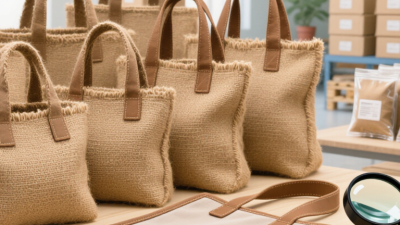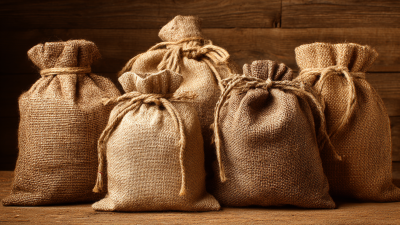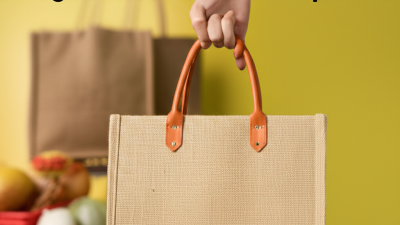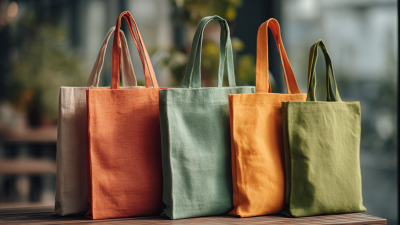
Choosing the best burlap tote for bulk orders requires more than comparing unit prices. The right bag must balance strength, appearance, capacity, and reliable production.
In practical sourcing, I examine the fabric weave, handle attachment, lining, stitching, and finished dimensions. A dense weave usually feels sturdier, but it may also increase weight and shipping costs. Small details matter. Loose threads can affect presentation. Uneven handles may frustrate customers and weaken the bag during use.
Before approving thousands of pieces, request samples from the supplier. Fill each sample with realistic items, such as books, bottles, or packaged products. Carry the bags repeatedly. Check the seams after several uses. This simple test often reveals weaknesses that product photos hide.
Material consistency deserves careful attention. Natural burlap can vary in color, texture, and smell. That variation may suit a rustic brand, but it can disappoint buyers expecting uniformity. Confirm the acceptable range before production begins. Also review printing quality, packaging methods, lead times, and replacement policies.
A dependable supplier should provide clear specifications and honest production limits. Ask how quality inspections are handled. Ask what happens when a batch fails inspection. Not every low-cost option is poor, and not every premium option is perfect. I have seen attractive samples fail under realistic weight. That is easy to overlook.
The best burlap tote depends on your product, audience, budget, and delivery schedule. A thoughtful decision reduces waste and protects your brand’s reputation. Careful testing is slower. It is usually cheaper than correcting a large, disappointing order.
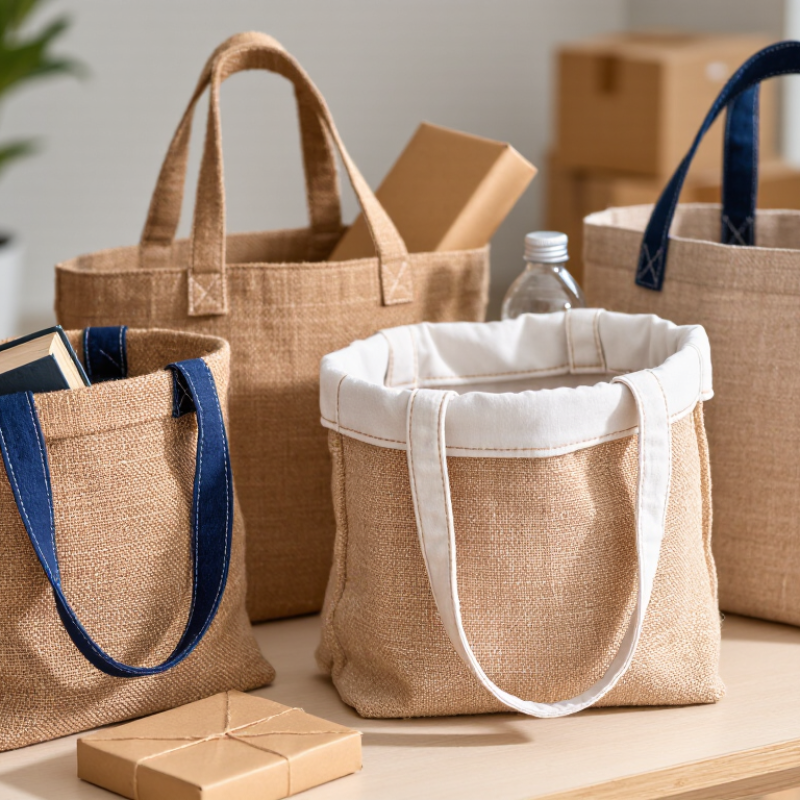
For bulk orders, the best burlap tote begins with material, not decoration. Burlap is usually woven from jute fibers, valued for strength, texture, and renewable plant content. Ask whether the fabric is laminated, dyed, lined, or left natural. Natural jute feels authentic. However, it may shed fibers and show slight color variation. A tighter weave usually supports heavier contents and cleaner printing. Request a fabric sample before approving large production.
Inspect the weave density, seam allowance, handle attachment, and base design. Handles sewn into reinforced patches generally distribute weight better than simple edge stitching. A boxed or gusseted bottom helps the bag stand and carry wider items.
For wholesale purchasing, request measured load testing with the intended contents. Do not rely on a published weight limit alone. Real use is less tidy. Workers may overfill bags, drag them across concrete, or lift them by one strap. Those details expose weak seams quickly.
I once underestimated handle comfort because the empty sample looked excellent. After filling it with books, the narrow webbing cut into the hand. That mistake changed our inspection checklist.
Now we compare handle width, stitch pattern, lining, and edge finishing before pricing bulk quantities. Check shrinkage and odor after washing or storage, when relevant. Ask for pre-production samples, carton measurements, and agreed tolerances for size and color. Small variations are normal with natural fibers, but unexplained defects are not. A reliable supplier should answer material questions clearly and document quality checks.
Choosing a burlap tote for bulk orders starts with capacity, not appearance. A bag that looks spacious may hold less after stitching and lining. Measure the usable interior, including width, height, and gusset depth. A 14-inch wide tote with a 5-inch gusset can carry more than a flat bag of similar height. Measure twice.
Think about the actual load. A small gift set needs different space than folded clothing or printed materials. Place sample items inside a test bag and check the handle drop. Short handles may feel uncomfortable when the bag carries several kilograms. I once approved dimensions from an empty sample, and the packed tote became awkward to lift. That assumption failed.
Bulk requirements also include quantity, production tolerance, packaging, and delivery timing. Ask for a pre-production sample before confirming the full order. Check seam strength, handle attachment, fabric odor, and the printed area. Allow a small measurement variation because natural burlap is not perfectly uniform. Confirm how many totes fit in each carton, since oversized cartons can increase storage and freight costs. Record the approved dimensions and packing method in writing. A clear specification reduces disputes when hundreds or thousands of pieces arrive.
For bulk orders, customization should support the bag’s actual use. Start with size, fabric weight, handle length, and stitching strength. A large logo is not automatically better. On coarse burlap, thin lettering can break visually. Screen printing suits simple artwork and larger quantities. Heat transfer creates sharper details, but it may cost more. Embroidery looks premium, although it can add weight and production time. Ask for a physical sample before approving thousands of units. Digital mockups sometimes hide rough texture.
Branding should remain readable after repeated handling. Use two or three colors, strong contrast, and generous spacing. The IBM Institute for Business Value reported in 2020 that 57% of surveyed consumers were willing to change purchasing habits to reduce environmental impact. Nielsen’s 2015 global sustainability study also found that 66% of respondents would pay more for sustainable products. These figures support responsible material choices, but they do not guarantee sales. Buyer expectations still vary by market. That part is easy to underestimate.
Tips: Request print tests on the actual burlap grade. Confirm color tolerances in writing. Check whether inks are water-based or solvent-based. Ask about wash, rub, and abrasion testing. Review carton dimensions before shipment. A smaller print area may reduce cost and improve clarity. I have seen attractive artwork fail because the handle covered the message. Leave room for movement. Also, do not assume every “natural” finish is equally durable. Test it.
How to Choose the Best Burlap Tote for Bulk Orders?
Evaluating Supplier Quality, Pricing, and Minimum Order Quantities
When ordering burlap totes in bulk, assess the supplier before comparing prices. Request a physical sample with the same specifications as your planned order. Check fabric weight, weave density, handle strength, stitching, and lining quality. Rub the surface gently to spot loose fibers or excessive shedding. Small details matter.
A dependable supplier should provide clear measurements, material details, production timelines, and quality-control procedures. Ask how defects are recorded and replaced. Request photos from recent production runs, but do not rely on photos alone. A factory may present its best batch. I once accepted a sample with strong handles, then received weaker stitching in production. That mistake taught me to approve a pre-shipment inspection.
Compare complete costs, not just the unit price. Include sampling, custom printing, packaging, shipping, and possible inspection fees. Ask for tiered pricing at several quantities. A lower price may hide thinner fabric or limited quality control. Confirm whether the quoted price remains valid during the production period.
Minimum order quantities also deserve careful review. A low MOQ can reduce storage pressure and protect cash flow. However, it may increase the unit cost. A higher MOQ can improve pricing, but unused inventory ties up money. Discuss split deliveries or staged production when available. Leave room for change. Your first forecast may be wrong.
Practical bulk-order benchmarks for comparing burlap tote suppliers
| Evaluation Dimension | Basic Bulk Option | Standard Commercial Option | Premium Bulk Option | What to Verify Before Ordering |
|---|---|---|---|---|
| Typical burlap weight | 8–10 oz/yd² | 10–12 oz/yd² | 12–14 oz/yd² | Request a pre-production sample and confirm fabric weight by a documented measurement method. |
| Common tote size | Approx. 12 × 6 × 14 in | Approx. 15 × 6 × 14 in | Approx. 16 × 7 × 15 in | Confirm finished dimensions, gusset depth, usable interior volume, and measurement tolerances. |
| Handle construction | Cotton or jute handles; single-stitched attachment | Cotton handles; reinforced box-X stitching | Heavy cotton handles; reinforced stitching and stress patches | Check handle length, attachment area, stitch density, and load-test results using the intended payload. |
| Approximate unit price* | US$1.20–US$2.20 | US$2.20–US$3.80 | US$3.80–US$6.50 | Compare the same size, fabric weight, handle material, print coverage, packaging, and delivery terms. |
| Typical MOQ for one design | 100–300 units | 300–1,000 units | 1,000–3,000 units | Ask whether the MOQ applies to total units, color, size, artwork, or each individually customized design. |
| Logo printing capability | 1-color screen printing | 1–3-color screen printing or heat transfer | Multi-color printing, labels, embroidery, or custom patches | Approve a physical strike-off and define acceptable color variation, placement tolerance, and ink adhesion. |
| Quality inspection standard | Visual inspection before shipment | Pre-shipment inspection with an agreed defect checklist | Documented sampling plan, inspection report, and corrective-action process | Set acceptable limits for loose threads, stains, odor, broken stitches, print defects, and size deviation. |
| Recommended sample quantity | 1–2 samples | 2–5 samples from different production lots | 5–10 samples plus a production-line approval sample | Test appearance, dimensions, odor, seam strength, handle strength, and print durability before mass production. |
| Typical production lead time | 15–25 calendar days | 20–35 calendar days | 30–45 calendar days | Confirm whether the timeline includes artwork approval, sampling, production, inspection, and export handling. |
| Packaging format | Bulk-packed in cartons | Moisture-protected carton packing | Individual packing, barcode labels, and export cartons | Verify carton count, carton dimensions, gross weight, moisture protection, and labeling requirements. |
| Best suited for | Promotional events, short campaigns, and cost-sensitive orders | Retail promotions, conferences, gift programs, and recurring orders | Premium retail packaging, long-term programs, and high-volume branded campaigns | Choose the lowest tier that meets your required durability, appearance, delivery schedule, and total landed cost. |
*Pricing note: The price ranges are indicative bulk-order benchmarks in USD for plain or lightly customized jute burlap totes. Actual quotations vary according to order volume, dimensions, fabric weight, printing area, handle materials, packaging, shipping terms, seasonality, and destination.
How to Choose the Best Burlap Tote for Bulk Orders?
A responsible bulk order begins with traceable materials, not attractive texture alone. Burlap usually uses jute, a renewable plant fiber. However, untreated jute is not automatically sustainable. Ask for fiber composition, farming origin, dye details, and finishing chemicals. Request laboratory evidence for durability and colorfastness. Textile Exchange reported that global fiber production reached 124 million tonnes in 2023 and may reach 160 million tonnes by 2030. That growth makes material verification increasingly important.
Packaging deserves equal attention. Choose recyclable cartons with minimal plastic film and clear carton labels. Avoid mixed-material wrapping when unpacking requires special separation. The United Nations Environment Programme states that plastic pollution could fall by 80% by 2040 through reuse, recycling, and reduced consumption. A reusable pallet plan can support that direction. Still, I would not accept “eco-friendly” wording without measurable packaging weights and recovery instructions.
Delivery standards can expose hidden environmental costs. Request carton dimensions, gross weight, pallet height, and moisture-protection methods before production. These details improve load planning and reduce damaged totes. ISO 14083:2023 provides a recognized method for calculating transport-chain emissions. Ask suppliers to report shipment distance, transport mode, and emission assumptions. Small details matter. A container packed too loosely wastes space, while over-compression can crease handles or weaken seams. My practical mistake was trusting a sample shipment; bulk delivery revealed inconsistent carton strength. A pre-shipment inspection, random carton checks, and dated loading photographs create stronger evidence than promises.
Recommended procurement benchmarks for checking sustainability, packaging efficiency, and delivery readiness.
Use these target thresholds when comparing suppliers: prioritize natural-fiber content and traceable materials, reduce unnecessary packaging, and confirm delivery performance before placing a bulk order. The values are practical buyer benchmarks rather than company-specific claims.
We are the most reliable and proficient jute goods manufacturer & supplier that helps businesses or individuals with various exportable agricultural commodities biz and jute goods by shipping them worldwide. Our right-time service ensures that whatever color and size of jute product you need, we can make it happen anytime and anywhere! Let’s keep our earth safer to live in!
Important link
Address
Bangladesh Address:
Fair Plaza (9th Floor), Plot : 3C, Section : 01, Mirpur, Dhaka:1216
UK Office:
242 Manor Road, Droylsden, Manchester, M43 6JD, United Kingdom.
Let's Talk
We are the most reliable and proficient jute goods manufacturer & supplier that helps businesses or individuals with various exportable agricultural commodities biz and jute goods by shipping them worldwide. Our right-time service ensures that whatever color and size of jute product you need, we can make it happen anytime and anywhere! Let’s keep our earth safer to live in!
Bangladesh Address:
Fair Plaza (9th Floor), Plot : 3C, Section : 01, Mirpur, Dhaka:1216
UK Office:
242 Manor Road, Droylsden, Manchester, M43 6JD, United Kingdom.