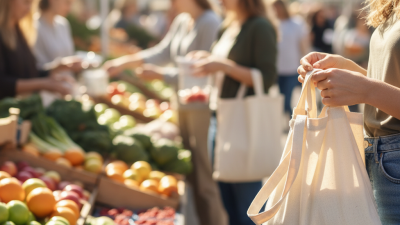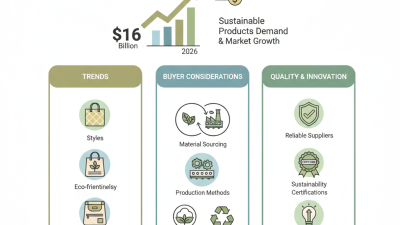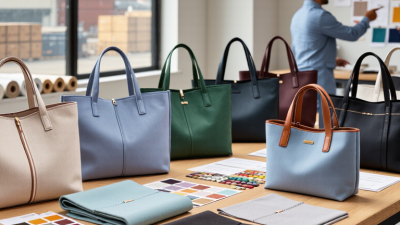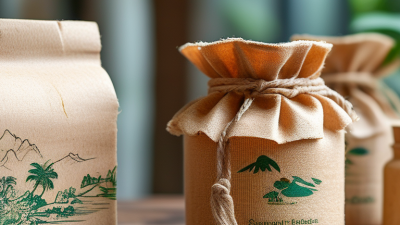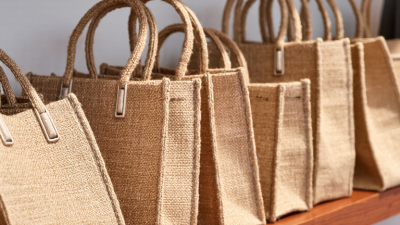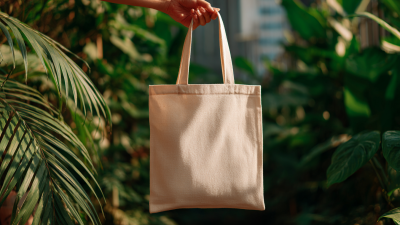
Global buyers now treat the cloth bag as more than a simple carrying product. It represents packaging quality, brand identity, customer habits, and environmental responsibility. Yet every market measures value differently. A retailer may prefer a lightweight cotton tote, while a food producer may need a washable canvas bag with stronger stitching. Small details matter. Handle length matters.
Textile sustainability specialist Dr. Mark Sumner observes, “A reusable bag only creates value when people use it repeatedly and care for it properly.” This practical view shapes our selection. The following guide examines ten widely requested cloth bag types, including cotton totes, canvas shoppers, jute bags, drawstring pouches, grocery bags, produce bags, muslin bags, denim bags, laminated fabric bags, and recycled cotton bags. Each option has different strengths, costs, textures, and sourcing considerations.
Real purchasing decisions are rarely perfect. A heavier fabric can improve durability, but it may increase shipping weight. A recycled material can support a stronger sustainability story, yet its color consistency may vary. Some buyers also underestimate seam quality and handle reinforcement. That mistake can become expensive. Our comparison focuses on fabric density, stitching, printing performance, capacity, maintenance, and intended use. It also considers practical supplier questions, such as minimum order quantities and sample testing. The goal is not to declare one universal winner. It is to help global buyers match the right cloth bag with real customer behavior, product weight, and market expectations. Preferences change. Evidence should lead.
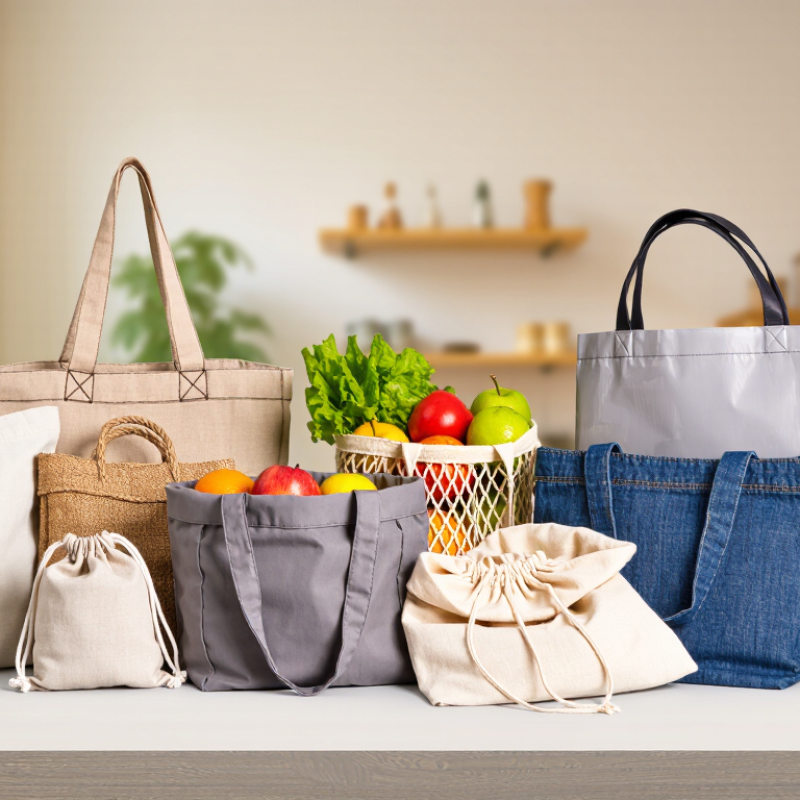
Global buyers commonly compare cotton totes, canvas bags, drawstring pouches, jute bags, linen bags, muslin bags, denim bags, non-woven fabric bags, recycled polyester bags, and insulated fabric bags. Each type serves a different purpose. Cotton feels soft and suits grocery shopping, events, and everyday carrying. Canvas is thicker, handles heavier books, and keeps its shape better. Jute offers a rough natural texture, while linen feels lighter and more refined. Muslin works well for produce, gift wrapping, and breathable storage.
Small details affect performance. A reinforced handle reduces tearing near the seam. A boxed bottom helps a flat tote stand on a market counter. Drawstrings close quickly but may not protect contents from rain. Insulated fabric helps maintain food temperature for short trips. Recycled polyester often resists moisture, although its production quality varies. Non-woven fabric is lightweight and affordable, but repeated folding can weaken it. Material labels should be checked carefully.
Use matters more than appearance. A thin cotton bag may fail under cans. A strong canvas bag may feel unnecessary for light clothing. I have seen buyers focus on printed designs and overlook stitching density. That mistake is easy to make. Buyers should test handle length, fabric weight, washing instructions, and expected load before placing large orders. No bag is perfect. Even natural fibers can shrink, stain, or lose shape without proper care.
The Top 10 Cloth Bag Types for Global Buyers
Global buyers usually compare cloth bags by use, material, cost, and shipping efficiency. The ten common options include cotton totes, canvas totes, drawstring bags, jute bags, non-woven bags, reusable grocery bags, mesh produce bags, wine bottle bags, garment bags, and promotional pouches. Each type serves a different purchasing goal.
Cotton totes feel soft and suit retail, events, and everyday shopping. Canvas totes offer stronger structure for books, tools, or heavier products. Drawstring bags are lightweight and easy to pack. Jute bags provide a natural texture, although their fibers may shed slightly. Non-woven bags are economical and dry quickly, but thin versions can tear under sharp loads. Reusable grocery bags need reinforced handles and washable fabric. Mesh produce bags improve visibility and airflow. They can snag. Wine bottle bags require padded bases and secure stitching. Garment bags protect clothing from dust during storage or transport. Small promotional pouches work well for cosmetics, stationery, or travel accessories.
Material testing should match the buyer’s real market. Check fabric weight, handle length, seam strength, colorfastness, odor, and folding performance before large production. A sample filled with the intended product reveals more than a product photograph. I would also request wash-test results for cotton and canvas, plus moisture checks for jute. Certification claims need verification from qualified testing bodies, not casual supplier promises. Specifications may look complete, yet packaging dimensions can still increase freight costs. Leave room for revision.
Representative load capacity by commonly used cloth bag type
This comparison uses representative load-capacity specifications commonly found in reusable bag applications. Actual performance varies by fabric weight, stitching, handle construction, dimensions, and product testing standards. Canvas, denim, and backpack-style bags generally support heavier loads, while muslin and drawstring bags are better suited to lightweight goods.
Global buyers often compare canvas totes, cotton drawstring bags, jute shoppers, mesh produce bags, and recycled-fiber sacks. Each design serves a different purchasing need. A flat tote suits retail promotions and daily carrying. A drawstring bag works better for shoes, gifts, or lightweight uniforms. Mesh improves visibility and airflow, while jute provides a firmer, textured appearance.
Design should match the user’s routine. Check opening size, handle length, pocket placement, and whether the bag folds easily. A wide handle feels more comfortable with heavier contents. Printed artwork must remain clear after handling. Small pockets add value, but they can increase sewing time and defect risk. More features are not always better.
Durability requires measurable checks, not attractive photos. Ask for fabric weight, seam construction, handle reinforcement, and colorfastness results. Test a sample with repeated loading, washing, and folding. Observe loose threads, corner stress, and handle distortion. A heavier fabric may last longer, but it can also make shipping and daily use less convenient. That trade-off is easy to overlook. In practical sampling, weak seams often fail before the fabric does. Buyers should inspect several samples, not just one perfect piece. Supplier communication also matters. Request clear tolerances for size, stitching, print position, and material composition. Even reliable production can show small variations, so inspection criteria should be agreed before ordering.
How to Compare Cloth Bags by Design, Function, and Durability
| Rank | Cloth Bag Type | Typical Material & Construction | Typical Load Capacity | Water Resistance (1–5) |
Durability (1–5) |
Foldability (1–5) |
Best-Fit Applications | Main Strength | Key Trade-Off |
|---|---|---|---|---|---|---|---|---|---|
| 1 | Cotton Canvas Tote | Medium- to heavy-weight woven cotton canvas; boxed corners and reinforced webbing handles. | 8–15 kg | 2 | 5 | 3 | Retail shopping, groceries, conferences, everyday carrying. | Strong, reusable, printable, and widely accepted by global buyers. | Heavier and less compact than thin fabric bags; cotton may shrink if washed improperly. |
| 2 | Organic Cotton Tote | Organic cotton canvas or twill, usually with natural finishes and stitched handles. | 6–12 kg | 2 | 4 | 3 | Sustainable retail programs, promotional campaigns, farmers' markets. | Supports sustainability-focused positioning and has a natural appearance. | Often costs more; natural fibers can show color variation and require care. |
| 3 | Jute Shopping Bag | Coarse woven jute with cotton or synthetic lining; rope, cotton, or webbing handles. | 5–10 kg | 2 | 4 | 2 | Gift packaging, grocery shopping, agricultural and natural-product retail. | Distinctive natural texture with good stiffness and shelf presentation. | Absorbs moisture, can shed fibers, and is less comfortable against bare skin. |
| 4 | Non-Woven PP Bag | Spun-bond polypropylene fabric, heat-sealed or stitched, often with laminated printing. | 3–8 kg | 3 | 3 | 4 | Events, promotional distribution, short-term retail campaigns. | Lightweight, economical, and suitable for large-volume customization. | Lower abrasion resistance and a shorter practical life than heavy canvas. |
| 5 | Recycled PET Bag | Woven or non-woven fabric made from recycled polyester fibers; may include laminated panels. | 4–10 kg | 3 | 4 | 4 | Reusable retail packaging, trade shows, outdoor promotions. | Good balance of light weight, moisture tolerance, and recycled-content appeal. | Synthetic feel may not suit natural-product positioning; recycling claims need documentation. |
| 6 | Drawstring Backpack Bag | Cotton, polyester, or recycled polyester body with cord shoulder straps. | 3–6 kg | 2–3 | 3 | 5 | Sports events, schools, travel giveaways, casual daily use. | Very compact and easy to distribute, store, or carry hands-free. | Limited support for heavy loads; cord comfort and durability depend on construction. |
| 7 | Insulated Cooler Bag | Polyester or laminated fabric exterior with foam insulation and a wipe-clean lining. | 5–12 kg | 4 | 4 | 2 | Food delivery, picnics, meal transport, grocery and cold-chain support. | Provides thermal insulation and protects contents from minor spills. | Bulkier, harder to fold, and more complex to clean or recycle. |
| 8 | Laminated Fabric Bag | Woven or non-woven fabric coated with a thin plastic film; reinforced seams and handles. | 5–12 kg | 4 | 4 | 3 | Supermarkets, produce retail, promotional packaging, household storage. | Improved moisture resistance and vivid surface printing. | Plastic lamination reduces breathability and can complicate end-of-life recycling. |
| 9 | Wine Bottle Bag | Cotton, canvas, jute, or felt with a narrow bottle-shaped compartment and reinforced base. | 2–6 kg | 2–3 | 4 | 3 | Beverage gifting, hospitality, wineries, specialty food stores. | Protects individual bottles and creates a premium gift presentation. | Specialized shape limits general-purpose use and may increase packaging volume. |
| 10 | Felt Utility Bag | Pressed wool or synthetic felt with structured panels, pockets, and stitched or bound edges. | 3–8 kg | 2 | 4 | 2 | Home organization, office storage, gift packaging, craft markets. | Keeps its shape, reduces scuffing, and supports practical compartment designs. | Absorbs moisture and occupies more storage space than unstructured totes. |
Global buyers usually compare ten practical cloth bag types: cotton totes, canvas totes, jute bags, hemp bags, muslin bags, drawstring pouches, produce bags, wine bags, denim bags, and recycled-cotton shoppers.
Each supports different uses. Canvas handles heavier goods, while muslin suits lightweight packaging. Jute offers a coarse, natural texture. Recycled cotton can reduce reliance on virgin fibers, but buyers should request traceability documents.
Customization affects both price and performance. Specify fabric weight, handle length, stitching, gusset size, closure type, print method, and color tolerance in the purchase specification. Screen printing works for simple logos; digital printing handles detailed artwork but may raise costs.
The Textile Exchange Materials Market Report 2024 estimated global fiber production at 124 million tonnes in 2023, with continued growth expected. That pressure makes material claims worth checking, not merely decorating a quotation.
Certifications should match the claim. GOTS requires at least 70% certified organic fibers for products labeled as made with organic materials. OEKO-TEX STANDARD 100 focuses on harmful-substance testing.
Ask for current certificates, scope details, and transaction evidence. MOQ also needs careful negotiation. A small order may limit fabric colors, custom labels, and packaging options. Larger orders can lower unit cost but increase unused inventory.
I have seen attractive samples hide weak seams. That mistake is avoidable. Request a pre-production sample, washing test, colorfastness result, and inspection photos before approving mass production.
Sources: Textile Exchange Materials Market Report 2024; Global Organic Textile Standard documentation; OEKO-TEX STANDARD 100 criteria.
Choosing the right cloth bag starts with the market, not the logo. Cotton totes suit retail promotions, bookstores, and everyday shopping. Heavy canvas bags handle tools, groceries, and repeated transport. Jute bags offer a textured look for food packaging and natural product stores. Drawstring bags work well for gifts, footwear, and travel accessories.
Muslin bags protect bread, produce, and small household items. Linen bags feel premium but may need careful handling. Nonwoven fabric bags are lightweight and cost-effective for events. Recycled polyester bags resist moisture and fold into compact shapes. Denim bags provide a strong, casual style for fashion markets. Garment bags protect clothing during storage and delivery. Each type serves a different purpose. No single bag wins every market.
Tips: Test fabric weight, stitching, handle length, and colorfastness with a physical sample. Check whether the bag remains comfortable when filled. Ask suppliers for fiber details and production tolerances. A printed sample can look excellent, yet fail after washing. That mistake is common. Consider climate, customer habits, packaging size, and shipping volume before selecting materials. For humid markets, moisture-sensitive fabrics may need stronger packaging controls. For premium retail, neat seams and consistent dimensions often matter more than the lowest unit price. I would also review rejected samples, not only successful ones, because defects reveal where the design needs improvement.
We are the most reliable and proficient jute goods manufacturer & supplier that helps businesses or individuals with various exportable agricultural commodities biz and jute goods by shipping them worldwide. Our right-time service ensures that whatever color and size of jute product you need, we can make it happen anytime and anywhere! Let’s keep our earth safer to live in!
Important link
Address
Bangladesh Address:
Fair Plaza (9th Floor), Plot : 3C, Section : 01, Mirpur, Dhaka:1216
UK Office:
242 Manor Road, Droylsden, Manchester, M43 6JD, United Kingdom.
Let's Talk
We are the most reliable and proficient jute goods manufacturer & supplier that helps businesses or individuals with various exportable agricultural commodities biz and jute goods by shipping them worldwide. Our right-time service ensures that whatever color and size of jute product you need, we can make it happen anytime and anywhere! Let’s keep our earth safer to live in!
Bangladesh Address:
Fair Plaza (9th Floor), Plot : 3C, Section : 01, Mirpur, Dhaka:1216
UK Office:
242 Manor Road, Droylsden, Manchester, M43 6JD, United Kingdom.