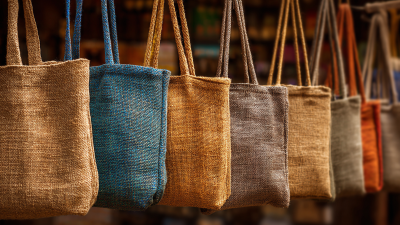
Wholesale buyers rarely choose a burlap bag for appearance alone. They examine fiber strength, stitching, handle comfort, closure design, printing quality, and shipping performance. A bag may look charming in a product photograph, yet fail when filled with coffee beans, garden soil, gifts, or promotional materials. That practical gap deserves attention.
Amina Rahman, a burlap packaging consultant with more than a decade of sourcing experience, says, “In wholesale, a burlap bag must survive the journey before it wins the shelf.” Her view reflects a basic purchasing truth. Material weight matters. So does the weave. A loose weave may reduce cost, but it can also release fibers and weaken the bag’s shape. Small details become expensive at scale.
This guide explores the top 10 types of burlap bags for wholesale buyers. It considers drawstring sacks, handled totes, wine bags, coffee sacks, produce bags, gift bags, and custom printed options. Each type serves a different commercial purpose. Some favor durability. Others favor presentation or fast packing.
The choice is not always obvious.
Buyers should compare dimensions, fabric density, seam construction, minimum order quantities, and sample results before committing. Even experienced purchasers can overlook odor, uneven printing, or inconsistent sizing. That is an honest weakness in many buying processes. A cheaper unit price may become costly after returns, repacking, or damaged goods. Reliable suppliers should provide clear specifications, realistic production timelines, and quality checks. With careful comparison, businesses can select a burlap bag that feels natural, performs consistently, and supports a credible wholesale product line.
Burlap bags differ more than their rough surface suggests. Fiber is the first filter: jute offers a firm, natural hand; sisal feels stiffer; hemp provides durable flexibility; cotton burlap feels softer. The FAO’s production statistics identify jute, kenaf, and allied fibers as major bast-fiber crops, supporting jute’s continued use in packaging. Wholesale buyers can compare four fiber-based types before selecting blended or recycled constructions.
Weave changes performance. Plain weave suits shopping and gift bags, while open weave improves ventilation for produce. Twill weave adds strength around handles, and laminated weave resists moisture better. GSM then defines body weight: lightweight bags often sit near 150–250 GSM, medium bags around 250–400 GSM, and heavy utility bags above 400 GSM. These ranges are practical buying guides, not universal standards. Some suppliers measure inconsistently.
Closure creates another group: drawstring, cotton cord, zipper, flap, button, and roll-top bags. Size classification may range from small 15 × 20 cm pouches to large 60 × 90 cm storage bags. The Textile Exchange Materials Market Report recorded global fiber production at about 124 million tonnes in 2023, showing why fiber selection deserves scrutiny. A dense weave may look premium but reduce breathability. A lower GSM may reduce shipping weight but disappoint under load. Samples should be tested with the intended contents, because a specification sheet can still miss real handling problems.
For wholesale buyers, burlap bag selection starts with the load and handling method. Standard jute sacks suit grains, beans, and other dry goods from 25 to 50 kg. Food-grade burlap bags need clean fibers, safe inner liners, and controlled storage. Laminated burlap bags resist light moisture, although they are not waterproof. Gusseted bags stand wider and stack more steadily on pallets. Square-bottom bags offer a cleaner retail display.
Drawstring burlap bags work well for smaller retail packs and gift sets. Valve bags support faster filling, but their seams require careful testing. Mesh burlap bags improve airflow for onions, roots, and ventilated produce. Reusable produce bags attract shoppers seeking natural textures. Printed burlap bags add product information and visual identity without excessive packaging. Small decorative burlap bags serve retail uses, sampling, and seasonal merchandise.
A reliable supplier should check fabric density, seam strength, stitching consistency, and handle performance. A 25 kg bag may need different construction from a 50 kg bag. Do not judge strength by fabric weight alone. I have seen thick cloth fail because the bottom seam was poorly reinforced. Load tests should imitate real warehouse movement, not just static weighing. Moisture exposure also matters. Burlap can absorb humidity and develop odor when stored carelessly. Ask for sample bags, packing records, and clear tolerance data before placing a large order. Even good specifications need review after the first shipment.
Top 10 Types of Burlap Bags for Wholesale Buyers
Jute supply is concentrated in South Asia. Data from the Food and Agriculture Organization and the International Jute Study Group consistently identify India and Bangladesh as the leading producers of raw jute fiber. Together, they commonly provide more than 80% of global supply, although annual shares change with rainfall, acreage, and retting conditions. Bangladesh is especially important for fine, long jute fibers, while India supports large domestic and export manufacturing networks. The exact ratio is not fixed. Reports can differ.
Origin matters. For wholesale buyers, the ten common burlap formats include coffee sacks, grain bags, produce sacks, shopping bags, wine bags, gift bags, drawstring pouches, planter covers, sandbags, and laminated storage bags. Each format needs different fabric weight, weave density, stitching, and moisture protection. FAOSTAT production records and USDA agricultural data can help verify supply trends, but they do not replace factory-level inspection. Ask for fiber origin, fabric GSM, bag dimensions, seam construction, and permitted moisture tolerance. A 250-gram bag may look sturdy, yet weak stitching can fail under repeated handling. Small details matter.
For large orders, buyers should compare samples from both producing countries. Check odor, loose fibers, print clarity, and shrinkage after light moisture exposure. Bangladesh and India offer strong sourcing capacity, but quality still varies between mills. One uncomfortable truth is that “natural” does not automatically mean consistent. Seasonal fiber changes can affect color and tensile strength. Use current test reports, not old samples, before approving production.
| Rank | Burlap Bag Type | Common Wholesale Application | Typical Construction | Typical Size Range | Typical Capacity | Usual Closure | Wholesale Buying Consideration |
|---|---|---|---|---|---|---|---|
| 1 | Standard Jute Sacking Bag | Grain, pulses, seeds and agricultural commodities | Plain woven jute fabric; medium to heavy grade | 45 × 75 cm to 60 × 100 cm | 25–100 kg | Single or double stitched mouth | Confirm fabric weight, seam strength and moisture protection for long-distance shipping. |
| 2 | Jute Coffee Bag | Green coffee bean storage, transport and retail décor | Coarse woven jute; often printed or stencilled | 70 × 100 cm to 75 × 110 cm | Typically 60–70 kg | Folded and stitched or drawstring | Natural jute is breathable, but liners may be required when moisture or odor control is important. |
| 3 | Jute Rice Bag | Rice, wheat, flour and other dry food products | Tightly woven plain jute; food-contact lining available | 40 × 65 cm to 55 × 90 cm | 25–50 kg | Sewn top or drawstring | For food use, specify clean untreated fabric and a suitable inner liner where required by local regulations. |
| 4 | Drawstring Burlap Gift Bag | Gift packaging, wedding favors and promotional packing | Lightweight plain weave with cotton or jute cord | 10 × 15 cm to 30 × 40 cm | 0.25–5 kg | Single or double drawstring | Check cord durability, seam neatness, odor and color consistency across bulk lots. |
| 5 | Jute Wine or Bottle Bag | Single-bottle and multi-bottle retail packaging | Laminated or unlaminated jute; reinforced base and handles | 15 × 10 × 35 cm to 34 × 18 × 40 cm | 1–6 bottles | Handles, drawstring or open top | Verify internal dimensions, handle load rating and bottom reinforcement for glass bottles. |
| 6 | Jute Shopping Tote | Reusable grocery, retail and event bags | Medium-weight jute with laminated, cotton or canvas handles | 30 × 35 × 15 cm to 45 × 40 × 18 cm | 5–15 kg | Open top, zipper or magnetic closure | Assess handle stitching, base gusset, laminate type and foldability before ordering. |
| 7 | Jute Sandbag | Flood control, landscaping, erosion control and temporary barriers | Heavy plain weave; often supplied without a liner | 30 × 60 cm to 40 × 75 cm | 15–30 kg of sand or soil | Sewn mouth, tie or open fill end | Prioritize tear resistance, UV exposure requirements and storage conditions. |
| 8 | Jute Produce Bag | Potatoes, onions, vegetables and garden produce | Breathable open-weave or plain-weave jute | 35 × 55 cm to 50 × 80 cm | 10–50 kg | Drawstring, stitched or tie closure | Breathability helps reduce condensation; avoid excessive moisture during storage and transport. |
| 9 | Jute Planter or Nursery Bag | Seedlings, root balls, gardening and landscaping | Breathable jute fabric; stitched base and side seams | 15 × 20 cm to 60 × 60 cm | Small plants to 30 kg of soil | Folded rim, drawstring or open top | Specify biodegradability expectations, drainage design and resistance to wet soil. |
| 10 | Jute Promotional or Printed Bag | Trade shows, retail campaigns, conferences and seasonal packaging | Light to medium jute; screen printing, transfer printing or labels | 20 × 25 cm to 45 × 40 cm | 1–12 kg | Handles, drawstring or flap | Request a pre-production sample to check print registration, color absorption and logo placement. |
| Supply Dimension | Accurate Market Context | Relevance for Burlap Bag Buyers |
|---|---|---|
| Leading producing countries | India and Bangladesh are the two principal producers of jute fiber and jute goods worldwide. | Buyers commonly compare sourcing options from these two established jute-producing regions. |
| Important growing area | Jute is primarily cultivated in the warm, humid alluvial regions of the Ganges–Brahmaputra delta and nearby parts of South Asia. | Climate and retting conditions affect fiber color, softness, strength and consistency. |
| Common commercial fiber grades | White jute and tossa jute are widely recognized commercial jute types, with properties varying by variety, grade and processing. | Specify yarn quality, fabric weight, weave density and acceptable shade variation in purchase contracts. |
| Natural material characteristics | Jute is a plant-based bast fiber that is biodegradable under suitable environmental conditions and naturally breathable. | It is suitable for dry goods, reusable packaging and horticultural uses, but it should be protected from prolonged dampness. |
Note: Dimensions, capacities and constructions are typical wholesale ranges. Final specifications vary according to fabric weight, weave density, bag design, filling material and applicable local regulations.
Wholesale burlap quality begins with seam strength, not appearance. During practical inspections, check filled bags for thread slippage, skipped stitches, and corner strain. A strong sample should hold its stated load without sudden seam opening. Ask for seam-test records when ordering large quantities. Tolerance matters too. Length, width, handle position, and printing alignment may vary slightly between production batches. A realistic tolerance is more useful than an attractive promise. Perfect uniformity is rarely practical.
Moisture control protects both the bag and its contents. Natural burlap can absorb humidity, causing odor, mildew risk, or weakened fibers during storage. Request moisture readings before shipment, especially for bags stored near concrete floors. GSM, meaning fabric weight per square meter, helps compare material density. Higher GSM usually offers better abrasion resistance, but it may reduce flexibility and increase freight weight. For light produce bags, 250–320 GSM may be suitable. Heavy-duty sacks often require a denser fabric. These figures are guides, not universal rules.
Tips: Test ten random bags, not one perfect sample. Fill them with the intended product and lift them repeatedly. Measure GSM from several panels. Record moisture after storage simulation. Also inspect the inside seams; buyers often overlook them. If a supplier avoids tolerance data, pause before confirming the order. A small inspection cost can prevent a large rejected shipment.
Wholesale buyers should compare ten common burlap formats: shopping bags, tote bags, wine bags, bottle sleeves, drawstring pouches, gift sacks, rice bags, coffee sacks, produce bags, and sandbags.
FAOSTAT reports roughly 3.4 million tonnes of jute, kenaf, and allied fibres harvested globally in 2023. Supply is substantial, but quality still varies by mill, weave, and finishing process.
MOQ changes the real unit cost.
A small order may suit gift pouches, while rice or coffee sacks usually need higher quantities. Request pricing at three levels, such as 500, 2,000, and 10,000 pieces.
Compare finished dimensions, not flat dimensions.
A 30 × 40 cm bag may lose several centimetres after stitching and drawstring insertion. Printing also needs checking. One-color flexographic printing is usually simpler than multi-color artwork, but rough burlap can soften fine details. Ask for a physical strike-off.
Lead time should include sampling, artwork approval, production, inspection, and shipping.
The World Bank’s 2023 Logistics Performance Index evaluates customs, infrastructure, shipment quality, and timeliness; these factors can disrupt an otherwise short factory schedule. My first quotation mistake was comparing factory lead time with delivered lead time. That was careless.
Cost should include packaging, export handling, testing, and waste allowances.
A cheaper bag may use lighter fabric, weaker seams, or inconsistent sizing.
Confirm fabric weight, handle strength, print tolerance, and acceptable defects in writing.
Fancy specifications often create expensive surprises.
We are the most reliable and proficient jute goods manufacturer & supplier that helps businesses or individuals with various exportable agricultural commodities biz and jute goods by shipping them worldwide. Our right-time service ensures that whatever color and size of jute product you need, we can make it happen anytime and anywhere! Let’s keep our earth safer to live in!
Important link
Address
Bangladesh Address:
Fair Plaza (9th Floor), Plot : 3C, Section : 01, Mirpur, Dhaka:1216
UK Office:
242 Manor Road, Droylsden, Manchester, M43 6JD, United Kingdom.
Let's Talk
We are the most reliable and proficient jute goods manufacturer & supplier that helps businesses or individuals with various exportable agricultural commodities biz and jute goods by shipping them worldwide. Our right-time service ensures that whatever color and size of jute product you need, we can make it happen anytime and anywhere! Let’s keep our earth safer to live in!
Bangladesh Address:
Fair Plaza (9th Floor), Plot : 3C, Section : 01, Mirpur, Dhaka:1216
UK Office:
242 Manor Road, Droylsden, Manchester, M43 6JD, United Kingdom.