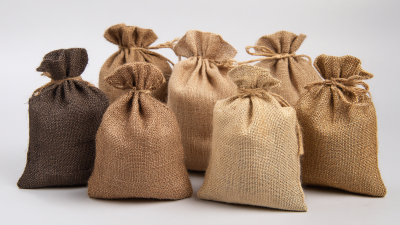
Choosing a burlap tote supplier in China involves more than comparing catalog photos or unit prices. Buyers need to assess fabric quality, stitching, printing, packaging, and communication before placing an order. A neat sample can still hide weak seams or uneven handles. Small details matter.
This guide explains how global buyers can evaluate suppliers and request useful evidence. Ask for close-up photos of the weave, reinforced stress points, and finished seams. Confirm bag dimensions, handle length, lining options, and printing methods in writing. If possible, review a physical sample under ordinary use, not only in a showroom. Burlap texture and color can vary between production batches, so clarify acceptable variation before approving bulk production. Ask about sample fees, minimum order quantities, production schedules, and inspection procedures. Get the answers documented.
Price deserves attention, but the lowest quote may not represent the best value. Compare specifications on equal terms, including material weight and packaging. Request recent product references or factory information, while remembering that documents alone do not prove consistent workmanship. Clear communication is useful evidence, too. Notice whether a supplier answers specific questions directly and flags limitations early. No checklist removes every risk. Even experienced buyers can overlook a detail when deadlines are tight. The sections ahead offer a practical framework for comparing Chinese burlap tote suppliers, checking samples, and building a more reliable sourcing decision.
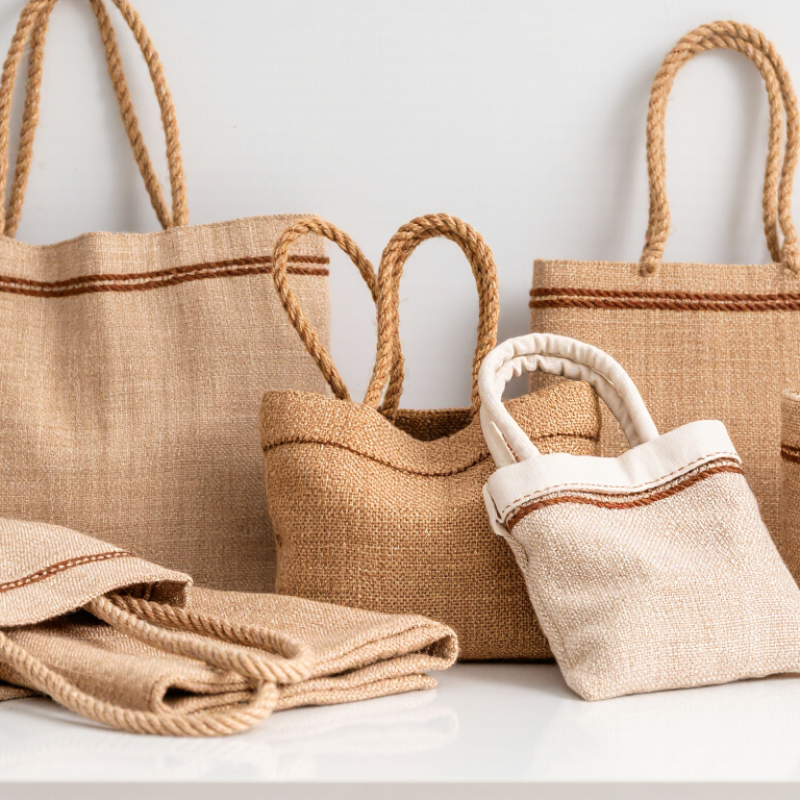
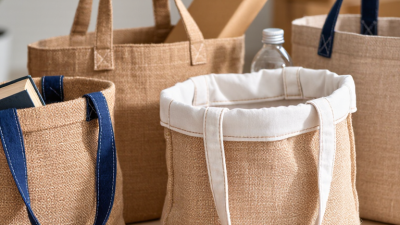
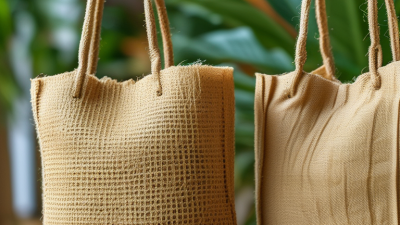
Burlap tote bags are usually made from jute, a plant fiber with a visibly coarse weave. Their firm texture gives them a practical, understated look. You can find them at farmers’ markets, trade events, gift shops, and craft fairs. They hold books, produce, or folded clothing comfortably when the seams and handles are well constructed. Feel the fabric. A tighter weave tends to keep its shape better, while reinforced stitching at handle attachment points can help with everyday loads. Small details matter.
Burlap is not waterproof, and it may absorb moisture or release loose fibers, especially when new. That matters. For damp items, a washable inner lining can make the bag easier to maintain, though it adds weight and cost. Buyers should check the bag’s dimensions, fabric thickness, handle length, and stitching before choosing a style for regular use. Color and texture can vary between batches, so sample inspection is useful when ordering in quantity. I would not assume every burlap tote feels soft or polished; its roughness is part of the appeal, but not right for every user.
China’s burlap tote bag supply chain usually connects fabric mills, bag makers, printing shops, and freight agents. It starts upstream. Burlap, often woven from jute, may come through domestic or imported material channels. Buyers should confirm the fiber content rather than rely on a product photo. Fabric weight, weave density, and color can vary between batches.
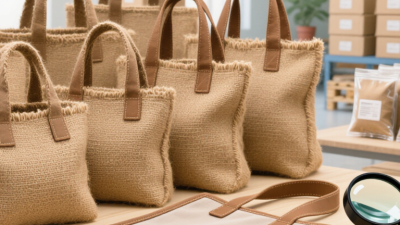
A tote maker may cut panels, stitch side seams, attach handles, and add printing or lining. The handoff is not always tidy. Some suppliers manage these steps in one facility; others coordinate separate workshops. Ask who controls each stage. Check a physical sample for handle attachment, seam strength, finished dimensions, and loose fibers. A simple pull test can reveal weak stitching, though it cannot replace a documented quality inspection.
Before production, approve the artwork, size tolerances, fabric specification, and packing method in writing. Burlap can shed fibers and absorb moisture, so dry storage and suitable carton packing matter. Request photos from production and inspect a random sample before shipment when possible. Lead times depend on fabric availability, order quantity, printing complexity, and port schedules. Small details are easy to overlook, and even a careful process can leave room for improvement.
Typical planning windows by production stage, shown in business days.
These are indicative planning ranges, not audited industry averages. Actual lead times depend on order quantity, material availability, customization, and supplier capacity; stages may overlap.
Evaluate suppliers against a written specification, not polished product photos. Confirm whether the fabric is jute, its weight in grams per square metre, bag dimensions, stitching, and handle construction. Request a pre-production sample and recent test reports covering seam strength, handle pull, and colorfastness. Compare measured results with your requirements. A neat sample is not proof of consistent production; batch variation deserves attention.
Check which steps the factory performs in-house, and ask how it records material batches and handles defects. The World Bank’s 2023 Logistics Performance Index ranked China 19th among 139 economies. This is useful country-level context, not a guarantee of any supplier’s delivery performance. Ask for a dated production schedule, carton measurements, and clear records of previous shipments. Verify these details against your own order needs.
Tips: Send the same specification to several suppliers. Approve a sample, then inspect a small production run. Measure the handles under load, and record any differences—even minor ones.
Supplier capabilities matter most when a sample must become a consistent bulk order. Ask for fabric weight, weave density, handle length, seam type, and a pre-production sample. For example, a 38-centimeter-wide tote with reinforced cross-stitching suits heavier groceries better than a light promotional bag. Check whether the supplier can control these specifications across repeat orders, not only customize one sample. Textile Exchange’s Materials Market Report 2024 estimates global fiber production reached 124 million tonnes in 2023. That scale makes traceable fiber sourcing and clear material descriptions worth checking, even for a simple jute or cotton blend.
Customization can cover dimensions, gusset depth, inner pockets, closures, labels, and print methods. Request artwork proofs and wash or rub tests where relevant; dark ink can behave differently on coarse, uneven fabric. The World Bank’s What a Waste 2.0 reports 2.01 billion tonnes of municipal solid waste generated worldwide in 2016, with plastics making up 12 percent. Reusable bags are not automatically low-impact: durability and actual reuse matter. Ask suppliers about fabric origin, recycled content claims, packaging, and defect tolerances. Small details matter.
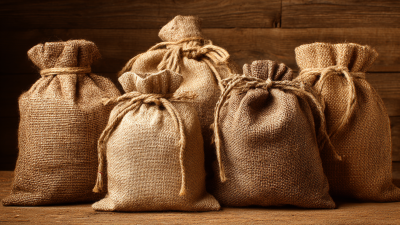
Product options range from open-top market totes to drawstring sacks, wine carriers, and lined bags. Compare handle attachment, fabric feel, and finished dimensions on physical samples. A slight color difference between sample and production can happen; agree on acceptable tolerances in writing. And inspect the stitching.
Sourcing burlap tote bags from China starts with a clear product specification. State the bag dimensions, fabric weight, handle length, stitching method, and acceptable color range. Burlap can vary in texture and shade, even within one production run. Request physical samples and compare them with the approved specification before placing a bulk order. Details matter.
Quality control should cover more than appearance. Check seam strength, handle attachment, print alignment, loose fibers, and packaging condition. A simple load test with the intended contents can reveal weak handles. Inspect samples from different cartons when possible, since one attractive sample does not prove every bag is consistent. Record defects with photos and agree on acceptable limits in writing. This step may feel slow, but disputes after shipment are slower.
Before production, confirm the order quantity, lead time, payment schedule, and responsibility for inspection. Ask the supplier which export documents they can provide, and verify destination-specific labeling or packaging requirements with your freight partner. Moisture protection matters: damp burlap may arrive with an unpleasant odor or visible staining. Agree on carton markings and shipping terms before goods leave the factory. Leave time for corrections; plans do slip.
| Evaluation Area | Buyer Specification or Check | Evidence to Request | Quality and Export Considerations |
|---|---|---|---|
| Material and fiber composition | Specify whether the bag must be made from jute, another bast fiber, or a declared blend. State any lining, coating, or lamination requirements. | Material specification, supplier declaration, and a production sample matching the proposed fabric and finish. | “Burlap” can describe different coarse woven fabrics. Confirm fiber content and construction rather than relying on the product name alone. |
| Fabric weight and construction | Set the required fabric weight in g/m², weave appearance, and acceptable variation in the purchase specification. | Fabric test report showing the test method, sample identification, and measured result. | There is no single weight suitable for every tote. Agree the target and tolerance with the supplier before production. |
| Finished dimensions and capacity | Record bag width, height, gusset depth, and handle length in millimetres. Define measurement points and tolerances. | Approved technical drawing and a measured pre-production sample. | Clarify whether dimensions are measured flat or with the gusset expanded; this helps prevent mismatched capacity expectations. |
| Handles and seams | Specify handle material, width, attachment method, stitch type, and seam allowance. Define any load or use requirement. | Sample inspection and agreed test results for handle attachment and seam strength. | Set acceptance criteria before ordering. Performance depends on fabric, stitching, handle construction, and intended use. |
| Printing and color | Provide artwork, print position, color references, and requirements for print durability and registration. | Approved artwork proof and signed production sample; request test results if rub or wash performance matters. | Natural-fiber texture can affect print appearance. Approve the print on the intended fabric, not only on a digital proof. |
| Physical testing | Choose tests based on the product’s intended use, such as tensile, tear, or rubbing performance. | Reports identifying the sample, test method, laboratory, test date, and results. | ISO 13934-1 covers tensile properties of fabrics using the strip method; ISO 13937-2 covers tear force using the trouser-shaped test specimen. Agree the method and pass criteria in advance. |
| Appearance, odor, and cleanliness | Define acceptable limits for weaving defects, loose fibers, stains, odor, and visible mold. State inspection sampling rules. | Pre-shipment inspection photographs and an inspection report against the approved specification. | Store samples and finished goods in dry, ventilated conditions. Agree any defect classification and sampling plan in the contract. |
| Chemical and destination-market compliance | List the destination country, intended use, and applicable chemical or product requirements in the purchase order. | Relevant declarations and test reports for the finished product, inks, dyes, coatings, and accessories, where applicable. | For EU-market products, assess applicable obligations including REACH and textile-fibre labelling rules. Requirements depend on the product and market; verify them before shipment. |
| Pre-production approval | Approve a sample that reflects the agreed material, dimensions, stitching, handles, printing, and packaging. | Dated, identified approval sample and final specification sheet retained by both parties. | Document any changes after approval. Do not treat a development sample as production approval unless it matches the final order requirements. |
| Production quality control | Agree inspection stages, defect definitions, sample size, acceptance criteria, and responsibility for rework. | In-line and pre-shipment inspection records, quantity reconciliation, and corrective-action documentation when needed. | Inspection criteria and sampling plans should be written into the order; they are not automatically the same for every buyer or supplier. |
| Packaging and carton marking | Specify units per inner pack and carton, carton dimensions, gross and net weight, protective packing, and shipping marks. | Packaging specification, carton measurements, and photographs of packed goods and shipping marks. | Confirm packaging protects the bags from moisture and contamination during storage and transit. Check destination-market packaging rules where relevant. |
| Export documents | Confirm required documents with the importer, customs broker, and destination-country authorities before dispatch. | Commercial invoice, packing list, transport document, and any required certificate of origin or other destination-specific documents. | Product classification and documentary requirements depend on the exact construction, material, use, and destination. Confirm the applicable customs code with a qualified broker. |
| Shipping terms and schedule | State the named place or port, delivery schedule, shipment mode, and agreed Incoterms® rule in the contract. | Order confirmation, shipping schedule, booking details, and agreed handover documents. | Use the selected Incoterms® 2020 rule with a precise named place or port. Clarify who arranges freight, insurance, export clearance, and import clearance. |
| Supplier verification | Check the legal entity, manufacturing or trading role, production capability, and experience with the requested product. | Business registration details, facility information, relevant audit documents if available, and a sample linked to the proposed production site. | Verify documents independently where practical. A trading company and a factory can have different capabilities and responsibilities. |
We are the most reliable and proficient jute goods manufacturer & supplier that helps businesses or individuals with various exportable agricultural commodities biz and jute goods by shipping them worldwide. Our right-time service ensures that whatever color and size of jute product you need, we can make it happen anytime and anywhere! Let’s keep our earth safer to live in!
Important link
Address
Bangladesh Address:
Fair Plaza (9th Floor), Plot : 3C, Section : 01, Mirpur, Dhaka:1216
UK Office:
242 Manor Road, Droylsden, Manchester, M43 6JD, United Kingdom.
Let's Talk
We are the most reliable and proficient jute goods manufacturer & supplier that helps businesses or individuals with various exportable agricultural commodities biz and jute goods by shipping them worldwide. Our right-time service ensures that whatever color and size of jute product you need, we can make it happen anytime and anywhere! Let’s keep our earth safer to live in!
Bangladesh Address:
Fair Plaza (9th Floor), Plot : 3C, Section : 01, Mirpur, Dhaka:1216
UK Office:
242 Manor Road, Droylsden, Manchester, M43 6JD, United Kingdom.