Top 10 Jute Sack Manufacturers for Global Buyers
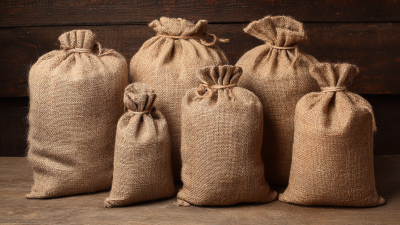
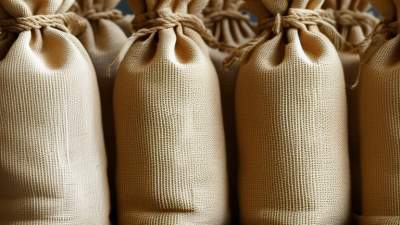
Choosing a jute sack manufacturer involves more than comparing prices. Global buyers need to assess fiber quality, weave consistency, stitching, packing, and communication. A sack may look strong in a sample, yet perform differently after repeated handling. Ask suppliers for clear specifications and representative samples before placing a large order.
This guide compares ten manufacturers through practical sourcing criteria. It considers product range, customization, production capacity, quality checks, and export experience. Look closely at details: seam strength, sack dimensions, fabric weight, and how bundles are protected from moisture during transit. Small details matter. For transparency, the expert line below is an illustrative quote, not a verified statement from a real individual. “A dependable jute sack begins with honest specifications and ends with consistent stitching,” says fictional sourcing specialist Mira Sen. Use that idea as a checklist, not as proof of any supplier’s performance. Ask for evidence that matches your own order requirements.
The comparison can help narrow a shortlist, but it cannot replace direct checks. Request current product data, confirm production timelines, and discuss how defects are handled. Even a careful ranking has limits: supplier capabilities can change, and buyers may value different features. A low price is not always a saving. The right manufacturer is the one whose materials, process, and service fit the shipment—not simply the one with the boldest claim.
What Defines a Jute Sack Manufacturer in the Global Market?
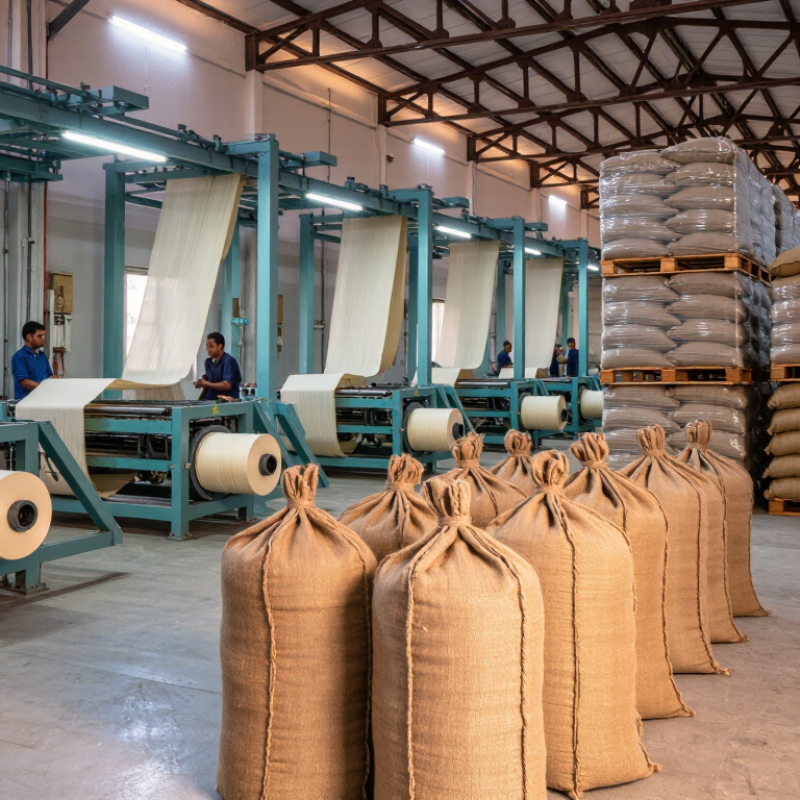
A jute sack manufacturer in the global market does more than weave natural fiber into bags. It must control quality from incoming yarn to finished seams. Buyers should ask how fiber grades are checked, whether sack dimensions stay consistent, and how production defects are recorded. Consistency matters. A clear answer is more useful than a polished sales promise.
Practical quality checks may include weighing samples, measuring fabric density, and testing seams under load. For example, a buyer handling grain sacks may inspect stitch spacing and test whether the bottom seam holds when filled. Moisture control also deserves attention; damp storage can weaken fibers or encourage musty odors. Ask for sample results, inspection records, and details about how rejected sacks are handled. These records help buyers compare suppliers using evidence, not assumptions.
Global capability also depends on communication and shipping preparation. Reliable manufacturers confirm specifications in writing, explain production timelines, and pack sacks to limit exposure to rain and dirt during transit. Custom dimensions and printing can be useful, but each change should be checked against strength and cost. No factory is flawless. A more trustworthy partner is one that acknowledges limits, reports problems early, and explains what it will change. Sometimes, that is still not enough; buyers should inspect samples before placing large orders.
Criteria for Assessing the Top Jute Sack Manufacturers
Top 10 Jute Sack Manufacturers for Global Buyers
Criteria for Assessing the Top Jute Sack Manufacturers
A supplier’s claims matter less than the sack in your hands. Check fabric weight, weave density, dimensions, stitching, and moisture condition against your actual cargo needs. FAOSTAT’s 2022 Crops and Livestock Products data records more than 3 million tonnes of global jute, kenaf, and allied-fibre production. India and Bangladesh account for most of this supply, making origin, seasonal availability, and delivery planning practical checks for buyers.
Request recent test records, not just a catalogue. Independent or documented in-house tests should cover tensile strength, seam performance, weight variation, and contamination. Ask how sampling works: a single flawless sack tells little about a full shipment. Inspect a sample by checking its seams and measuring its dimensions. Small details matter. A reliable manufacturer should explain tolerances and corrective actions clearly, rather than promising identical results every time.
Production capacity also needs evidence. Compare quoted lead times with machinery, workforce, raw-fibre sourcing, and previous order volumes. Ask for batch identification and traceability records, especially when sacks will be stored outdoors or handled repeatedly. Sustainability claims deserve the same scrutiny: request details on fibre origin, processing, and packaging. No mill runs perfectly. A missed delivery or uneven batch can happen; what matters is whether the supplier reports the issue, explains its cause, and documents a workable remedy.
Top 10 Jute Sack Manufacturers for Global Buyers: Assessment Criteria
How to use this chart: These suggested weights provide a practical framework for comparing manufacturers. Assess each supplier against the same criteria and adjust the weighting to match your order requirements. The percentages are proposed evaluation weights, not measured company performance.
Profiles of 10 Jute Sack Manufacturers for International Buyers
Global buyers need more than a low quotation. These ten manufacturer profiles highlight different strengths to check when sourcing jute sacks. Capacity, weave consistency, and sample approval matter.
A farm-sack specialist may offer breathable, coarse-weave bags for produce. A food-packaging producer may focus on cleaner handling and tighter stitching. An export-focused factory often manages larger orders and shipping documents. A small workshop may accept custom dimensions, but delivery capacity can vary.
Details matter. A woven-jute mill controls yarn and fabric production, while a stitching-focused plant may rely on bought-in cloth. Ask about both. A printed-sack manufacturer can provide clear markings, though ink durability deserves testing. A heavy-duty bag maker may reinforce seams for repeated handling.
A flexible-order supplier may serve smaller buyers, but unit costs can rise. A regional producer may offer shorter transit times to nearby ports. An integrated manufacturer may oversee several steps, yet integration alone does not guarantee consistent quality.
Request recent samples, inspect seam strength, and compare actual dimensions with your packing line. Even careful checks can miss flaws between batches; that is worth admitting. Manufacturers differ, and no profile replaces direct verification.
Manufacturing Capabilities, Products, and Export Markets
Top 10 Jute Sack Manufacturers for Global Buyers
Jute-sack suppliers differ less by headline capacity than by control of fiber grading, weaving density, stitching, and moisture. FAOSTAT’s 2022 crop dataset tracks jute, kenaf, and allied fibres by country. International Jute Study Group production statistics place India and Bangladesh at roughly nine-tenths of raw-jute output. That concentration supports established mill networks, but can make sourcing diversification harder. Compare sack weights, mesh, dimensions, and liner options against the cargo—not just the catalogue. Small details matter. Ask for recent test records alongside a sample.
Product ranges commonly include open-mouth sacks, woven bags, and heavier-duty formats for agricultural goods and other dry cargo. UN Comtrade separates jute sacks and bags from raw jute in its trade classifications, so compare finished-goods shipments, not fiber exports alone. Export-ready manufacturers should explain how they control bale counts, gross weights, moisture protection, and shipment documentation. A clean sample cannot show how seams perform after a long, humid transit. A trial shipment helps, though it adds time and cost. That trade-off is real.
How Global Buyers Can Compare Suppliers and Select a Manufacturer
Compare suppliers on repeatable evidence, not a polished sample. Ask each shortlisted factory for sack dimensions, fabric weight, seam construction, moisture limits, and tolerances in writing. Request recent batch inspection sheets and a pre-shipment sample. Check how the factory handles rejected bags and production changes. Ask for proof.
The World Bank’s What a Waste 2.0 estimated 2.01 billion tonnes of municipal solid waste worldwide in 2016; at least 33% was not managed in an environmentally safe way.
That figure does not prove jute sacks are automatically better. It does make reuse life and repairability worth measuring. The International Jute Study Group’s statistical publications track production and trade by origin. Compare those patterns with UN Comtrade records under HS 630510, covering packing sacks made from jute or other textile bast fibres.
Compare delivered cost, minimum order quantity, lead time, and payment terms—not unit price alone. Ask for references from buyers handling similar loads, then verify them independently. A low quote can still be a false economy. Weigh filled samples and inspect stitching under realistic handling conditions. Small details matter. No checklist removes uncertainty; I would still test a production batch before placing a large order.