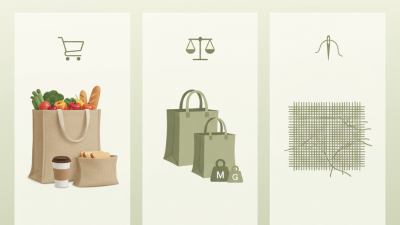
Wholesale buyers need more than a low unit price when choosing a burlap tote. The right bag should suit its intended use, arrive consistently, and hold up through handling. Textile designer William Morris offered a useful design principle: “Have nothing in your houses that you do not know to be useful, or believe to be beautiful.” He was not a tote-bag specialist, but the idea fits this purchase: appearance matters, and so does function.
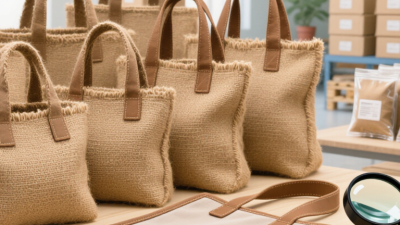
This guide compares 10 burlap tote options through practical sourcing questions. How even are the seams? Do the handles feel secure when loaded? Is the weave loose enough to snag, or stiff enough to feel rough? Small details matter. A sample can reveal fraying, odor, uneven color, or printing that looks less crisp than a product photo. Ask suppliers about dimensions, fabric weight, minimum order quantities, customization, lead times, and how they manage repeat orders. A bargain may stop looking like one if quality varies between cartons.
There is no single best bag for every buyer. Some shoppers need a roomy grocery tote; others want a compact giveaway bag with a clean logo panel. Burlap also has limits: its texture may not suit every customer, and the material alone does not prove a product is environmentally preferable. Check the specifications. Compare samples. Then weigh the delivered cost against the bag’s actual purpose. A little doubt is useful here; a polished listing is not the same as a dependable wholesale order.
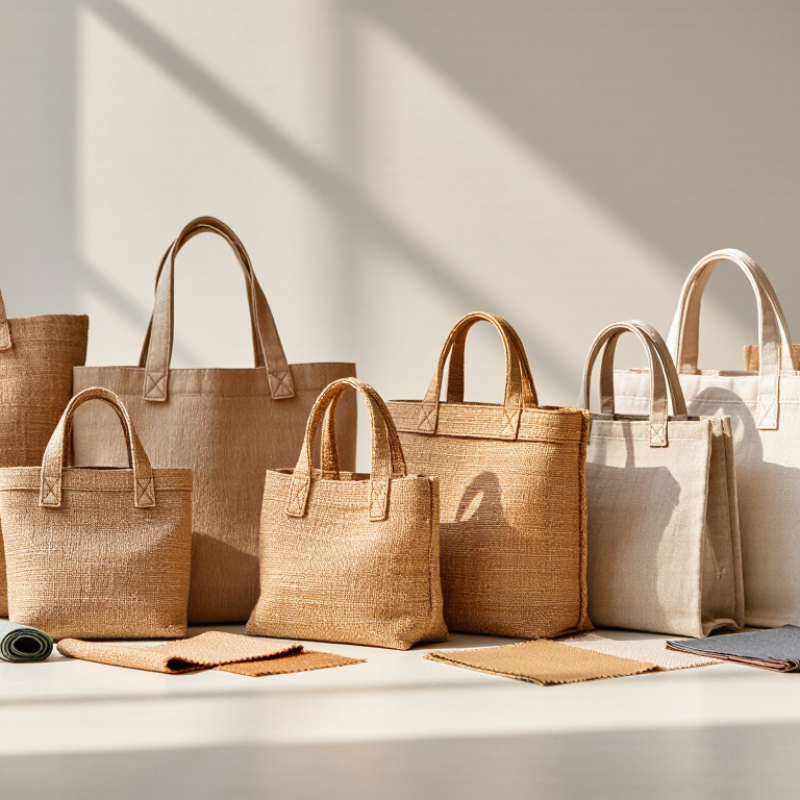
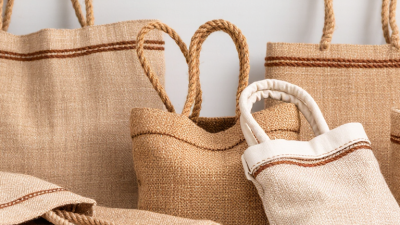
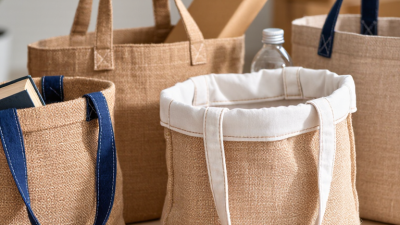
Burlap tote bags are reusable carry bags made from coarse woven natural fibers, often jute. Their open, textured weave gives them a rustic look and a firm, slightly scratchy feel. Many have stitched side panels and fabric or rope handles, while some include a lining or flat base. Construction varies. A bag that looks sturdy in a sample may sag when loaded, so test seam strength and handle attachment with realistic weight before placing a wholesale order.
These totes suit farm shops, craft markets, conferences, and gift packaging. Shoppers can use them for books, folded clothing, or dry groceries. The weave is breathable, but it does not block moisture or fine dust. Keep damp produce elsewhere. Some bags shed loose fibers at first, which can be noticeable on dark clothing. Buyers should confirm finished dimensions, handle drop, color consistency, and whether decoration affects the fabric. Request a production sample, not just a product photo. It is easy to overvalue appearance; everyday comfort often determines whether a tote gets reused.
Wholesale buyers should compare burlap tote bags by fabric weight, weave, and finish, not appearance alone. A tighter weave usually feels smoother and holds printed designs more evenly, while a coarse weave gives a rustic look but may shed fibers. Ask for the material details and inspect a physical sample under normal lighting. Small details matter.
Check the bag’s dimensions when filled, not only when laid flat. A tote that looks roomy on a product sheet may sag once it carries jars or books. Examine handle length, stitching at stress points, and whether the bottom has a gusset. Pull the handles gently and look for loose threads. Test before scaling.
Also compare lining options, color consistency, print placement, and packing methods. Burlap can vary slightly between production runs, so request an approved sample and confirm acceptable variation in writing. If bags will hold delicate goods, an inner lining may help, though it adds cost and production steps. Ask about minimum order quantities and lead times before setting a delivery date. One point is easy to overlook: strong burlap odor can bother some customers, so air out samples before approving a large order.
| Bag Style | Typical Material | Approx. Dimensions (cm) | Approx. Capacity | Handle & Closure | Useful Features | Best-Fit Wholesale Use |
|---|---|---|---|---|---|---|
| Classic Flat Tote | Natural woven jute burlap | 35 × 40 × 0 | Flat profile; little boxed volume | Short jute handles; open top | Simple construction, lightweight, and easy to print on one or both sides | Giveaways, conferences, and lightweight promotional items |
| Everyday Gusseted Tote | Woven jute burlap; optional cotton lining | 30 × 35 × 12 | About 13 L | Shoulder-length cotton handles; open top | Side gusset adds room for groceries and everyday purchases | Retail packaging, markets, and general-purpose shopping |
| Wide-Bottom Shopper | Jute burlap with reinforced base panel | 40 × 35 × 15 | About 21 L | Long cotton webbing handles; open top | Broad base helps the bag stand more steadily when filled | Grocery retail, farm shops, and larger packaged goods |
| Jute-and-Cotton Blend Tote | Jute burlap body with cotton trim or panels | 35 × 38 × 12 | About 16 L | Cotton handles; open top | Softer trim and a contrasting panel provide design options | Lifestyle retail, gift shops, and branded event merchandise |
| Laminated Burlap Tote | Jute burlap with an interior laminated backing | 35 × 35 × 15 | About 18 L | Woven handles; open top | Backing can help limit loose fibers and make the interior easier to wipe | Food-market shopping and retail use where a more structured interior is preferred |
| Lined Zipper Tote | Jute burlap exterior with a fabric lining | 35 × 30 × 12 | About 13 L | Shoulder handles; top zipper | Fabric lining covers the inner weave; zipper helps keep contents enclosed | Gift sets, travel accessories, and higher-spec retail packaging |
| Bottle Carrier Tote | Jute burlap with stitched internal bottle dividers | 24 × 30 × 16 | About 12 L | Short handles; open top | Divided compartments help separate bottles during carrying | Wineries, specialty food shops, and beverage promotions |
| Mini Gift Tote | Lightweight jute burlap | 20 × 22 × 10 | About 4 L | Short handles; open top | Compact format suits small products and favors | Wedding favors, cosmetics, small gifts, and event kits |
| Extra-Large Market Tote | Heavyweight jute burlap with reinforced seams | 45 × 40 × 18 | About 32 L | Wide cotton webbing handles; open top | Large gusset and reinforced stitching suit bulkier shopping loads | Farmers’ markets, produce retailers, and large-format promotions |
| Foldable Burlap Shopper | Jute burlap with a lightweight fabric lining or backing | 35 × 38 × 10 | About 13 L | Long handles; open top; foldable construction | Designed to fold down for storage; check folded dimensions and seam finish | Travel retail, reusable shopping programs, and compact giveaways |
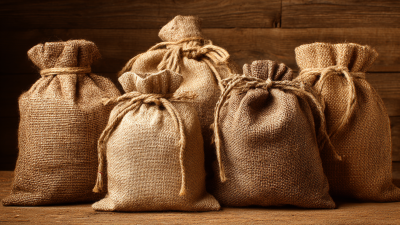
Burlap totes serve very different buyers when size, handles, and finishing match the market. A classic flat shopper suits farm stalls and local shops. A gusseted grocery tote holds jars and folded produce. Mini favor bags work for gift counters and events. Drawstring produce sacks offer a lightweight option for bulk displays. Long-handle book totes suit bookstores and campus shops.
For travel and leisure, consider a two-bottle carrier, an oversized beach tote, or a zip-top commuter style. Garden retailers may prefer a reinforced base that tolerates damp soil, while event buyers often choose printed totes. That makes ten distinct options, though printing on coarse weave can look uneven. Textile Exchange’s 2024 Materials Market Report estimates global fiber production reached 124 million tonnes in 2023. This broad industry figure is not jute-specific, but it highlights why buyers should request clear material and construction details rather than rely on “natural” claims alone.
Tips: Ask for a pre-production sample. Check handle stitching, seam strength, and usable capacity with real products. Burlap can feel rough against bare arms. Confirm weave, lining, and print placement before approving a large order.
For wholesale burlap tote bags, evaluate the actual sample, not just a product photo. Check fabric weight, weave consistency, and loose fibers; jute naturally varies, but thin patches can weaken under load. Inspect the handle stitching closely. A filled bag should not pull open at the attachment points. Ask suppliers for a repeatable load-test method and written tolerances. Small details matter: rough seams can snag clothing, while a strong burlap odor may indicate damp storage.
Customization needs its own quality check. Request a printed sample on the same fabric and in the same color as the production order. Rub the ink with a dry cloth, then inspect for cracking, smearing, and uneven edges. Burlap’s texture can soften fine artwork. Keep logos bold. The IBM Institute for Business Value’s 2020 global consumer survey found that 57% of respondents were willing to change purchasing habits to reduce environmental impact. That interest is not a guarantee of sales, though; clear product details still matter.
Compare quotes by landed cost, not unit price alone. Include setup charges, shipping, packaging, minimum quantities, and the cost of defective bags. Ask for production and delivery timelines in writing. A low quote may omit something. One imperfect point: a pre-production sample cannot reveal every variation across a large batch, so specify acceptable differences in color, dimensions, and print placement before approving production.
Use this illustrative 1–5 scoring framework to compare wholesale options. Prioritize construction quality, customization capabilities, and clear pricing; scores are evaluation guidance, not survey results or ratings of specific products.
Wholesale buyers should compare burlap totes by usable dimensions, fabric weight, handle stitching, and packing format—not appearance alone. Ask suppliers for a packed sample, then check whether the handles bear a realistic load without pulling at the seams. Measure the bag flat and filled; gussets can change how many units fit on a shelf or in a carton. Small details matter. MHI’s 2024 Annual Industry Report found that 55% of surveyed supply-chain leaders planned to increase technology investment. For buyers, even a basic inventory system can help track sizes, colors, carton quantities, and reorder points as stock arrives.
Storage needs care. Keep totes dry, away from strong odors, and off damp floors; burlap may absorb moisture and can shed fibers. A sample carton is useful, but it cannot reveal every seasonal storage problem. I have seen this overlooked. For resale planning, confirm whether each unit arrives folded, tagged, or packed individually, since those choices affect labor and shelf presentation. The National Retail Federation and Appriss Retail estimated that returns would equal 16.9% of U.S. retail sales in 2024. That figure covers retail broadly, not burlap totes specifically, but it highlights the value of a clear inspection process. Record defects, dimensions, and packaging condition before resale, and price samples before committing to a large order.
We are the most reliable and proficient jute goods manufacturer & supplier that helps businesses or individuals with various exportable agricultural commodities biz and jute goods by shipping them worldwide. Our right-time service ensures that whatever color and size of jute product you need, we can make it happen anytime and anywhere! Let’s keep our earth safer to live in!
Important link
Address
Bangladesh Address:
Fair Plaza (9th Floor), Plot : 3C, Section : 01, Mirpur, Dhaka:1216
UK Office:
242 Manor Road, Droylsden, Manchester, M43 6JD, United Kingdom.
Let's Talk
We are the most reliable and proficient jute goods manufacturer & supplier that helps businesses or individuals with various exportable agricultural commodities biz and jute goods by shipping them worldwide. Our right-time service ensures that whatever color and size of jute product you need, we can make it happen anytime and anywhere! Let’s keep our earth safer to live in!
Bangladesh Address:
Fair Plaza (9th Floor), Plot : 3C, Section : 01, Mirpur, Dhaka:1216
UK Office:
242 Manor Road, Droylsden, Manchester, M43 6JD, United Kingdom.